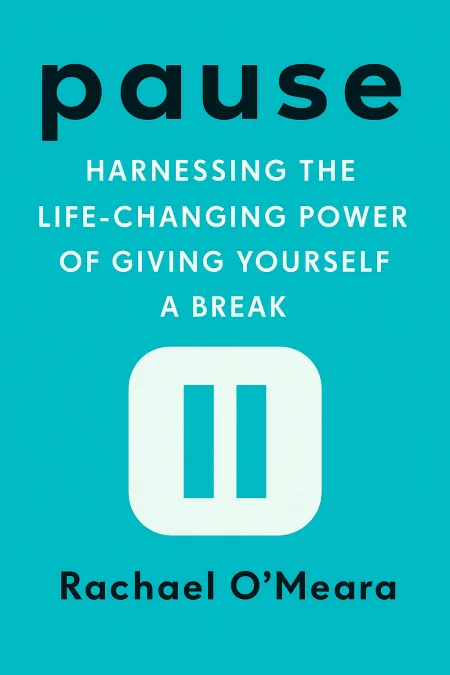
Pause
Harnessing the Life-Changing Power of Giving Yourself a Break
Book Edition Details
Summary
When the weight of the world becomes unbearable and your soul cries for respite, "Pause" by Rachael O'Meara offers a lifeline. This compelling guide invites you to break free from the relentless grind, challenging the notion that constant hustle is the only path to success. Instead, it champions the transformative power of stepping back and reclaiming your inner peace. Drawing from cutting-edge research in psychology and neuroscience, O'Meara crafts a roadmap to rediscovering joy through intentional pauses—be they brief moments of solitude or extended sabbaticals. Packed with real-life stories of rejuvenation, this book empowers you to re-enter life’s race with renewed vigor and clarity. Let "Pause" be your compass to a life brimming with purpose and fulfillment, where slowing down becomes the ultimate act of courage.
Introduction
Sarah sat in her glass-walled office at 9 PM, staring at another urgent email while her dinner grew cold. The promotion she'd worked years to achieve had finally arrived, but with it came a crushing realization: success felt nothing like she'd imagined. Instead of fulfillment, she experienced a persistent emptiness, as if she were sleepwalking through a life that looked perfect from the outside but felt hollow within. The endless meetings, performance reviews, and digital notifications had created a noise so loud she could no longer hear her own thoughts. This moment of recognition—when external achievement collides with internal dissonance—marks the beginning of a profound journey. In our relentlessly connected world, we've become masters of doing but have forgotten the art of being. We chase the next milestone, respond to the next notification, and fill every moment with activity, mistaking busyness for purpose and motion for progress. Yet within this chaos lies an ancient wisdom that modern life has obscured: the transformative power of the pause. Not the pause of exhaustion or defeat, but the intentional pause of courage—a deliberate stepping back that creates space for authentic self-discovery. This practice offers us a pathway back to ourselves, a means of reconnecting with our deepest values, desires, and wisdom. Through stories of individuals who dared to step off the hamster wheel, we discover that pausing isn't about stopping our lives, but about starting to truly live them.
When Success Feels Like Failure: Recognizing the Need to Pause
Margaret closed the conference room door with a soft click that somehow felt deafening to Rachael. The sterile corporate environment seemed to shrink around them as Margaret delivered words that would shatter years of carefully constructed professional identity: "Things just aren't working out." The feedback had been consistent for months—lack of executive presence, unclear communication, missed expectations. What stung most wasn't the criticism itself, but the growing realization that despite working harder than ever, Rachael felt more disconnected from herself and her purpose than at any point in her career. The signs had been accumulating like storm clouds on the horizon. What once brought excitement and energy now felt mechanical and draining. The Sunday evening dread had become a weekly ritual, and even vacation time couldn't shake the persistent sense of misalignment. Work conversations dominated dinner tables, digital devices commanded attention during precious moments with loved ones, and the pursuit of external validation had replaced any connection to internal fulfillment. This disconnect manifests differently for each person, yet follows predictable patterns. The enthusiastic professional gradually becomes the burned-out employee. The engaged partner slowly transforms into someone who's physically present but emotionally absent. We develop what experts call "soft addictions"—seemingly harmless habits like endless scrolling or compulsive email checking that actually serve as numbing mechanisms, preventing us from feeling the deeper yearnings that could guide us toward authentic satisfaction. The modern workplace, with its emphasis on constant availability and immediate responses, has created an environment where pausing feels impossible, even irresponsible. Yet this resistance to stillness often signals our greatest need for it. When we've lost touch with our inner voice beneath the noise of external demands, when success feels hollow and accomplishment brings no joy, we've received life's invitation to pause—not as an escape from reality, but as a return to what's real within us.
The Art of Strategic Stopping: Planning Your Pause Journey
When Dom faced his manager at YouTube, he chose vulnerability over performance. "I don't feel passionate about my career anymore," he admitted, expecting judgment but finding understanding instead. This moment of honest self-assessment opened a door that many assume remains forever locked in corporate environments—the possibility of an extended, unpaid leave of absence. Dom's manager, recognizing the value of a refreshed and recommitted employee over a disengaged one, agreed to hold his position while he took three months to rediscover his direction. Planning a meaningful pause requires both courage and strategy. Unlike vacation, which often serves as temporary escape from routine, intentional pausing creates space for fundamental recalibration. The process begins with honest assessment of our current state, identifying the gap between who we are and who we're becoming. Some discover they need digital detox, others require physical distance from their environment, while many find transformation through new learning or creative exploration. The beauty of strategic pausing lies in its accessibility. Not everyone can take three months away from work, but everyone can create moments of intentional stopping within their existing constraints. A daily morning ritual of reflection, a weekly technology-free afternoon, or even conscious breathing between meetings can serve as powerful pause practices. The key lies not in the duration but in the quality of attention we bring to these moments of stillness. Fear often accompanies the decision to pause—fear of falling behind, of being forgotten, of discovering uncomfortable truths about ourselves. Yet these fears frequently mask deeper anxieties about worthiness and belonging that can only be addressed through the kind of inner exploration that pausing facilitates. When we create space between stimulus and response, we reclaim the power to choose our actions based on authentic values rather than unconscious reactions. This shift from reactive living to intentional being represents the first step toward sustainable change.
Living the Pause: From Digital Detox to Extended Breaks
Tiffany Shlain's family ritual began simply enough—every Friday at sunset, all devices went silent until Saturday evening. As a documentary filmmaker whose career depended on digital connectivity, this "Technology Shabbat" initially felt risky, almost rebellious. Yet within the first few weeks, something remarkable happened. Conversations deepened, creativity flourished, and the anxiety that had become her constant companion began to dissipate. The family discovered they could inhabit time differently when freed from the relentless pull of notifications and updates. Different types of pauses serve different needs, each offering unique pathways to renewal and insight. The digital detox reveals how much of our mental bandwidth has been unconsciously allocated to information consumption rather than inner reflection. Extended pauses, like Ken and Hillary's year-long honeymoon journey around the world, create space for identity exploration that simply isn't possible within familiar environments and routines. Some find their pause through new learning—Austin's three-month Buddhist retreat didn't just teach him meditation techniques, but fundamentally shifted his relationship with uncertainty and control. Others discover renewal through service—using pause time to contribute to causes greater than themselves, creating meaning through connection rather than achievement. The common thread across all effective pausing practices is the cultivation of presence—the ability to be fully here, now, rather than perpetually elsewhere in mind and spirit. Living the pause requires releasing our attachment to productivity as the primary measure of value. In a culture that worships efficiency and output, choosing to be rather than do can feel transgressive. Yet this apparent non-action often generates the most significant transformations. When we stop filling every moment with activity, space emerges for creativity, wisdom, and authentic desire to surface. The pause becomes not an absence of action but a different quality of engagement—one rooted in awareness rather than automation.
Returning Transformed: Making Pause a Way of Life
Mike Robbins returned from his five-month backpacking adventure with something more valuable than stamps in his passport—a fundamentally altered understanding of what constituted a life worth living. The corporate sales career that had once defined his identity now felt like an ill-fitting costume. Yet the real transformation wasn't in what he decided to do next, but in how he approached the process of choosing. The pause had taught him to lead with authenticity rather than external expectations, to value alignment over approval. The challenge of reentry often proves more complex than the pause itself. The world continues spinning during our absence, and the pressure to immediately justify our time away can be intense. Well-meaning friends and colleagues ask, "So what's next?" as if pause must produce a tangible, easily explained outcome. The deeper truth is that the most profound changes occur beneath the surface—shifts in perspective, values, and relationship to ourselves that influence every subsequent choice. Making pause a way of life means integrating its lessons into daily experience rather than treating it as a one-time event. This might manifest as regular check-ins with our inner voice, boundaries around technology use, or simply the practice of asking "What do I need right now?" before automatically responding to external demands. The goal isn't to recreate the specific conditions of our pause, but to maintain the quality of attention and intentionality that made it transformative. The ripple effects of authentic pausing extend far beyond the individual. When we model the courage to step back, reassess, and realign, we give others permission to do the same. Our willingness to prioritize inner wisdom over outer achievement challenges the cultural narrative that equates constant motion with virtue. In a world desperate for more conscious, connected human beings, the act of pausing becomes both personal healing and social contribution.
Summary
The power of pause lies not in stopping our lives but in starting to truly live them with intention and awareness. Through the stories of individuals who found the courage to step off the hamster wheel—whether for moments or months—we discover that transformation often requires the radical act of doing nothing, of creating space between our habitual reactions and conscious responses. These pauses, whether digital detoxes, extended retreats, or simple daily rituals of reflection, serve as laboratories for rediscovering who we are beneath the roles we play and expectations we carry. The modern epidemic of burnout, anxiety, and disconnection stems largely from our culture's addiction to constant doing at the expense of authentic being. When we pause strategically and intentionally, we reclaim access to our inner wisdom, reconnect with our deepest values, and rediscover the difference between being busy and being purposeful. This isn't about escaping responsibility but about engaging with life from a place of conscious choice rather than unconscious reaction. Perhaps most importantly, learning to pause teaches us that we are not victims of our circumstances but active creators of our experience. In the space between stimulus and response lies our freedom to choose thoughts, emotions, and actions aligned with our authentic selves rather than external pressures. This transformation from reactive to intentional living doesn't just change individual lives—it creates ripples that inspire others to find their own courage to pause, reflect, and ultimately live with greater meaning, connection, and joy.
Related Books
Download PDF & EPUB
To save this Black List summary for later, download the free PDF and EPUB. You can print it out, or read offline at your convenience.
By Rachael O'Meara
