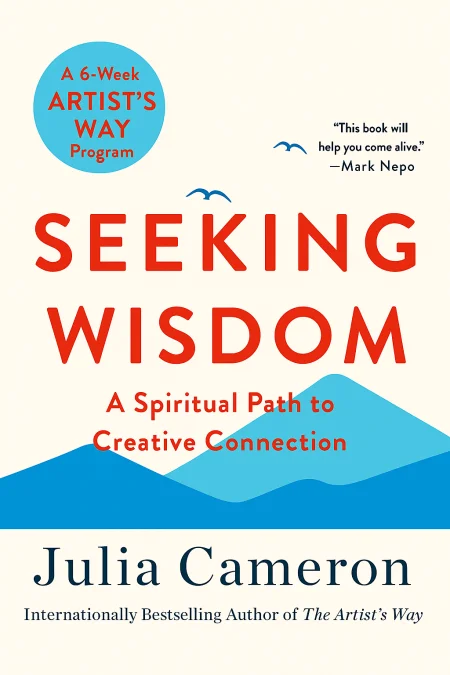
Seeking Wisdom
A Spiritual Path to Creative Connection (A Six-Week Artist's Way Program)
Book Edition Details
Summary
In the sanctuary of artistic expression, Julia Cameron invites you to a transformative rendezvous with creativity through the language of prayer. "Seeking Wisdom" unearths the spiritual undercurrents that fuel the creative soul, revealing how prayer once guided Cameron from her own abyss to the luminous path of artistic enlightenment. Over six weeks, Cameron enriches the cherished trio of The Artist’s Way—Morning Pages, Artist Dates, and Walks—while unveiling a new tool, Writing Out Guidance, to amplify your creative journey. This program transcends conventional boundaries, offering a tapestry of prayer practices that resonate with seekers of all beliefs. Discover how spiritual intention can unlock the floodgates of creativity, turning silence into symphony and solitude into profound artistic dialogue.
Introduction
Picture this: It's 4 a.m. on a Wednesday morning, and Julia Cameron wakes to discover the bottle is empty. No alcohol left to numb the pain, no escape from the crushing reality that her husband has left her just days before. In that moment of desperate clarity, she makes a phone call that will change everything. What follows is not just a story of recovery, but a profound exploration of how talking to God—in whatever form resonates with you—can become the foundation for both spiritual awakening and creative breakthrough. This book emerges from four decades of daily conversation with the divine, beginning with that pivotal moment of surrender. Cameron guides us through the intimate practice of prayer as dialogue, showing how our creativity and spirituality are not separate paths but interconnected streams flowing from the same source. Whether you're skeptical about prayer, struggling with creativity, or simply seeking a deeper connection to something greater than yourself, these pages offer practical tools and profound wisdom for transforming your relationship with both the divine and your own creative potential.
Finding Voice: From Desperation to Divine Dialogue
The transformation began in the darkest hour. After five days of drinking around the clock, Cameron found herself at rock bottom when her friend Claudia handed her a phone number for another alcoholic. "I'm an alcoholic and a screenwriter," she announced to Susan, desperate to hold onto some shred of dignity even in surrender. What she discovered in that moment wasn't judgment or pity, but understanding—and more importantly, direction toward a power greater than herself. The suggestion to pray felt almost insulting to someone with sixteen years of Catholic education. "Surely you must believe in something!" her new sober friends insisted. Cornered, she confessed to believing in Dylan Thomas's line about "the force that through the green fuse drives the flower." To her amazement, this creative energy was accepted as perfectly valid Higher Power. "As long as it isn't yourself," they told her. This became her entry point into what she would discover was a completely personal and intimate form of prayer. The early attempts were crude but honest: "Dear God, I'm miserable. I'm depressed, angry, and out of sorts. Please help me." The relief was immediate. Instead of formal prayers recited on her knees, she found herself speaking as an intimate, even as a lover might speak. This plainspoken approach opened a door she didn't even know existed—prayer as genuine conversation rather than ritualistic recitation. As trust grew, so did the dialogue. Cameron began asking for guidance about what to write next, and found herself receiving clear direction. "Let the Higher Power write through you," her mentors suggested. The result was a radical shift from tortured, ego-driven writing to something flowing and clear. Prayer wasn't just changing her relationship with alcohol; it was revolutionizing her entire creative process. This evolution from desperate plea to collaborative partnership reveals something profound about the nature of prayer itself. When we strip away the formal language and prescribed postures, what remains is the most human impulse of all—the need to be heard, understood, and guided by something greater than our limited perspective.
Sacred Tools: Morning Pages, Artist Dates, and Walking Prayer
Every morning for over four decades, Cameron has filled three pages with longhand writing about anything and everything. These Morning Pages became her primary tool for talking to God, a practice that started as brain drain and evolved into direct divine dialogue. One student described them perfectly: "Morning Pages allow me to happen to my day instead of having my day happen to me." They create what Virginia Woolf called "a room of one's own"—a private space for venting, thinking, and most importantly, listening. The magic happens in the combination. Morning Pages serve as the "sending" part of a two-way radio, expressing desires, fears, and dreams. Artist Dates—weekly solo adventures in pure fun and play—become the "receiving" frequency. Cameron describes taking an Artist Date to visit George, a large bunny at a pet store. Such simple adventures might seem frivolous, but they consistently trigger what she calls "uncanny good luck or coincidence." Students report finding exactly what they need for projects, meeting helpful people in unexpected places, or receiving inspiration at precisely the right moment. Walking completes the trinity of sacred tools. For centuries, spiritual seekers have walked on quests, pilgrimages, and through labyrinths. Cameron's twice-weekly twenty-minute solo walks become moving meditation, often beginning with a question and returning with an answer. "I sometimes walk and talk to God, airing my grievances and expressing my gratitude," she explains. The rhythm of footsteps seems to unlock something in the psyche, creating space for insights that bubble up naturally. The fourth tool—writing out guidance—transforms prayer from monologue to dialogue. Cameron writes questions like "What should I do about X?" and listens for responses, capturing what she "hears" on paper. The guidance consistently proves gentle, accurate, and useful. "You are led carefully and well," comes the frequent reassurance. Over decades of practice, this written dialogue has become her primary navigation system for both life decisions and creative projects. These tools work because they create consistent opportunities for connection. They establish rhythm, routine, and most importantly, expectation that guidance is available and accessible. When prayer becomes as natural as breathing, transformation follows inevitably.
Community of Faith: Stories of Transformation and Creative Awakening
The stories of transformation that emerge from Cameron's decades of teaching reveal prayer's power across all backgrounds and belief systems. Barbara McCulloch, a painter who once prayed only "Please don't let that be a cop" while driving drunk, found herself at midnight praying "Oh God, help me" after years of consuming a quart of vodka nightly. The next day she sought help, and later experienced what she describes as "a pink blanket of peace" when she finally surrendered completely to God's will. Teacher Laura Waarvick grew up with formal prayers but found herself questioning everything as an adult, especially during her husband's mental illness. Through years of searching and eventually a practice of daily prayer, she developed what she calls "a running conversation with God." Her story took a dramatic turn when she felt guided to stay away from an attractive new barista at her local Starbucks. Later, news broke that he had murdered his wife and two children. "Something protects us if we listen," she reflects, illustrating how prayer can provide protection in ways we might never fully understand. Perhaps most moving is the story of Scott Thomas, a Native American psychologist who survived a violent alcoholic father and his own descent into addiction. His recovery came through what he calls his "family of choice"—allies who showed up in his life to love him unconditionally. Scott now blends conventional therapy with Lakota healing traditions, offering prayers to the sun each morning and wearing sacred protection. His daily ritual of naming ancestors and asking for guidance demonstrates how prayer can bridge cultures and heal generational trauma. These stories share common threads: moments of surrender, guidance that proves trustworthy over time, and the gradual development of an intimate relationship with a personally understood Higher Power. Whether raised Baptist, Catholic, Jewish, or with no religion at all, each person discovered that prayer is less about correct form and more about authentic connection. The diversity of approaches validates Cameron's central teaching: prayer is completely individual. Some use formal recitations, others converse casually throughout the day. Some pray on their knees, others while walking or creating art. What matters isn't the method but the willingness to reach beyond oneself toward something greater, wiser, and infinitely more loving than the limited human perspective allows.
Living Prayer: Integrating Spirituality into Daily Creative Practice
The ultimate revelation in Cameron's journey is that creativity and spirituality are not separate practices but two expressions of the same divine energy. When she worried that sobriety would kill her creativity, she was advised to post a sign by her writing station: "Okay, God, you take care of the quality. I'll take care of the quantity." This surrender transformed her work from ego-driven striving for cleverness to clear, accessible writing that flowed naturally and served others. Her friend Ezra Hubbard, an artist who prays before creating each piece, embodies this integration perfectly. "I listen, make a piece, listen, make a piece," he explains. "I'm guided and I'm obedient to the guidance." His studio practice becomes continuous prayer, each sculpture emerging from divine dialogue. Similarly, Cameron's own writing process involves constant check-ins with her Higher Power, asking "What should I write next?" and trusting the response that emerges. The practical application extends beyond traditional artistic pursuits. Beautician Fran Gallegos starts each day journaling prayers of gratitude, then maintains what she calls "constant communion" throughout her workday. Photographer Robert prays "making things of beauty" in the darkroom. Even a simple task like cooking becomes prayer when approached with the right intention—one friend prays by making homemade soup, another through the careful cultivation of a garden. This integration dissolves the artificial separation between sacred and secular time. Prayer becomes less about designated moments and more about ongoing awareness of divine partnership. Cameron describes her current practice as conversational and constant: "I talk to God all day long. And then I listen." The result is a life guided by subtle cues, hunches, and what she calls "Good Orderly Direction." The creative fruits of this sustained practice are evident in Cameron's prolific output—over forty books emerging from four decades of daily prayer and writing. But more significantly, her students report similar transformations: blocked writers finding their voice, painters discovering new courage, musicians accessing previously hidden melodies. When creativity becomes prayer and prayer becomes creativity, both are infinitely enhanced. Living prayer means recognizing that every moment offers opportunity for connection, every challenge provides a chance to ask for help, and every creative impulse carries divine potential. It transforms existence from struggle into collaboration, from isolation into companionship, from scarcity into abundance.
Summary
Through decades of intimate conversation with the divine, Cameron reveals that prayer is neither complex ritual nor desperate plea, but simply talking to God in whatever way feels authentic. Her journey from alcoholic despair to creative abundance demonstrates that when we bring our whole selves—including our doubts, fears, and messy humanity—into dialogue with a Higher Power, transformation becomes inevitable. The tools she offers—Morning Pages, Artist Dates, walking meditation, and written guidance—create consistent opportunities for this sacred conversation to flourish. The stories of transformation she shares prove that prayer works across all backgrounds, belief systems, and life circumstances. Whether we conceive of God as energy, best friend, or creative force, what matters is our willingness to reach beyond our limited perspective toward infinite wisdom and love. When we integrate this spiritual practice with our creative work, both are elevated—our art becomes more authentic and flowing, our prayer more grounded and practical. Most beautifully, Cameron shows us that creativity and spirituality are not separate paths but complementary expressions of the same divine energy flowing through us. When we allow the Great Creator to create through us, we tap into unlimited resources of inspiration, support, and guidance. This partnership transforms not just our artistic output but our entire approach to living, replacing struggle with collaboration, isolation with companionship, and fear with faith. The invitation is simple: begin talking to God today, in your own words, about your own life, and discover the profound creative partnership that awaits.
Related Books
Download PDF & EPUB
To save this Black List summary for later, download the free PDF and EPUB. You can print it out, or read offline at your convenience.
By Julia Cameron
