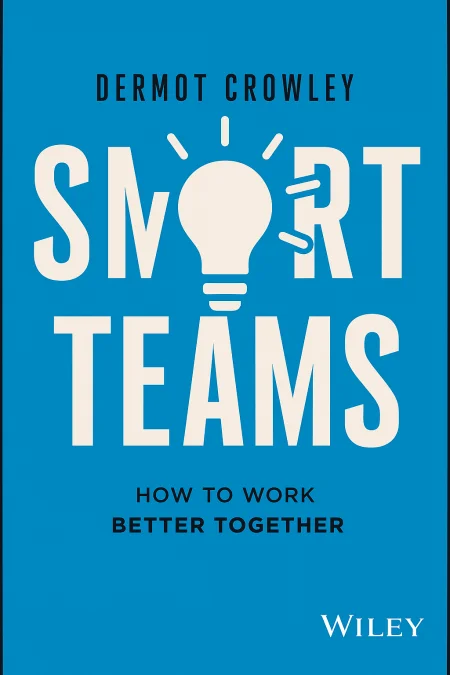
Smart Teams
How to Work Better Together
Book Edition Details
Summary
In the bustling realm of modern workplaces, where chaos often masquerades as productivity, "Smart Teams" offers a beacon of clarity and efficiency. Imagine transforming your team's scattered efforts into a seamless symphony of collaboration, where every member contributes to a unified, thriving culture. This guide delves into the nuances of team dynamics, offering leaders and managers the tools to turn friction into flow. Unproductive meetings, endless email chains, and disorganized projects become relics of the past as you learn to foster an environment where creativity and productivity are in perfect harmony. Packed with actionable insights, this book empowers you to cultivate a team that not only meets goals but does so with purpose and balance. If you're ready to revolutionize your team's productivity and elevate your leadership, "Smart Teams" is your essential roadmap.
Introduction
In today's interconnected workplace, individual productivity only gets you so far. You might have mastered your personal systems, conquered your inbox, and streamlined your daily routines, yet still find yourself frustrated by the chaos that emerges when working with others. The reality is that every interaction with colleagues carries the potential to either accelerate or derail your collective progress. When teams operate without intentional alignment, they create friction that slows everyone down, turning simple collaborations into exhausting exercises in miscommunication and missed expectations. But what if there was a way to transform these interactions from sources of stress into catalysts for extraordinary results? The key lies not in working harder as individuals, but in learning to work smarter together, creating systems and cultures where productivity flows naturally through every conversation, meeting, and shared project.
Building Team Productivity Foundations
The foundation of team productivity rests on a simple yet powerful principle: game theory productivity. This concept suggests that the best results come when everyone works in ways that benefit both themselves and the group simultaneously. It's neither selfish nor selfless, but rather what we might call a "serving" mindset. Consider the story of Ben Roberts-Smith, the highly decorated Australian SAS soldier, who described how his team's reliability made courage possible even in life-threatening situations. He could take extraordinary risks to protect his teammates because he knew, without question, that they would do the same for him. Their shared commitment to doing what they said they would do created an environment where trust flourished and extraordinary results became possible. This wasn't about individual heroics, but about the collective power that emerges when every team member embodies reliability. Roberts-Smith's team operated according to four core qualities: they were purposeful in their actions, mindful of each other's needs, punctual in their commitments, and absolutely reliable in their follow-through. When these qualities became embedded in their culture, they created what he called the foundation for fearless action under pressure. To build this foundation in your own team, start by modeling these qualities consistently in every interaction. Arrive five minutes early to meetings, deliver work when promised, and always consider how your actions affect your colleagues' ability to succeed. Create agreements about how you'll work together, and hold each other accountable with respect and care. Remember that small, consistent actions compound into cultural transformation over time.
Mastering Communication and Meetings
The modern workplace drowns in communication noise, with many professionals receiving hundreds of emails daily while spending most of their time in meetings. Yet the solution isn't less communication, but more intentional communication that creates flow rather than friction. Ray Tomlinson, the inventor of email, never intended his creation to become the overwhelming force it is today. One technology executive discovered this firsthand when he asked his team of 60 managers how many felt "hammered by emails." Nearly everyone raised their hand. When he pointed out that their email volume dropped by two-thirds during company conferences when they were all together, the revelation was immediate: they were creating their own email crisis. The very convenience that made email brilliant had turned it into a productivity trap. The transformation began when this team implemented the "pause, think, send" approach to communication. Before hitting send on any message, they asked themselves five crucial questions: Why am I sending this? What outcome do I want? Who really needs to know? When is the best time? Where should this conversation happen? This simple framework dramatically reduced email noise while improving the quality of their interactions. Start by auditing your own communication patterns for one week. Count how many emails you send and receive, noting which ones truly add value versus those that create noise. Then experiment with alternatives like brief face-to-face conversations for complex issues, or shared project boards for ongoing collaborations. Most importantly, make every meeting count by creating clear agendas, inviting only essential participants, and starting each gathering by stating the specific outcomes you're seeking to achieve.
Creating Collaborative Project Success
Successful collaboration requires three fundamental elements: alignment, agreement, and awareness. Without these ingredients, even the most well-intentioned teams create friction that undermines their collective potential. Colin Ellis, a project management expert, learned this lesson while working with organizations that rushed through project planning phases. He discovered that teams who skipped the crucial step of "building the team" before building the plan consistently struggled with productivity issues. One manufacturing team exemplified this challenge when their complex project involving ten participants devolved into a series of unproductive meetings where everyone had opinions but no one made decisions. The project manager had focused entirely on schedules and deliverables while neglecting the human dynamics that make collaboration possible. The breakthrough came when Ellis introduced a simple team charter process. Before diving into project tasks, the team spent time understanding each other's communication styles, working preferences, and expectations. They agreed on specific protocols for how they would share information, make decisions, and handle conflicts. This investment of time upfront paid enormous dividends as the project progressed, with team members naturally supporting each other and proactively addressing challenges. To create collaborative success, begin every project with a brief alignment session where you clarify not just what needs to be accomplished, but how you'll work together to accomplish it. Use visual project management tools that make progress transparent to everyone involved. Most importantly, schedule regular check-ins to assess not just task completion, but the health and satisfaction of your collaborative relationships.
Leading Cultural Transformation
Creating lasting change in team productivity requires leaders who understand that culture is simply a collection of shared habits. The most successful transformations happen when leaders focus on creating "micro-cultures" within their teams, demonstrating new behaviors consistently while inspiring others to follow suit. The CEO of a major consulting firm understood this principle when he challenged his 800 partners to move from individual achievement to collaborative success. He recognized that sustainable market leadership required them to work together more effectively, sharing information and resources for the collective good. Rather than mandating this change through policy, he began by modeling the collaborative behaviors he wanted to see, consistently demonstrating how individual success could align with team success. This leader implemented what became known as the "ripple effect" strategy. By consistently operating according to smart team principles in every interaction, meeting, and decision, he created visible examples that others could observe and emulate. Partners began noticing how his collaborative approach led to better client outcomes and stronger relationships, which naturally motivated them to adopt similar behaviors. The transformation accelerated when he introduced simple productivity projects that the team could rally around. Rather than attempting massive organizational change all at once, he focused on one improvement each month: first reducing email noise, then improving meeting effectiveness, then enhancing project collaboration. Each project built upon the previous one, creating momentum and embedding new habits into the team's daily operations. Lead your own cultural transformation by first ensuring you "do no harm" to others' productivity through your own behaviors. Then consistently model the changes you want to see, creating specific projects that give your team concrete ways to practice new collaborative skills. Remember that you're always on display as a leader, and every interaction either reinforces or undermines the culture you're trying to create.
Summary
The journey from individual productivity to team excellence requires a fundamental shift in mindset: from working in ways that serve only ourselves to working in ways that serve both ourselves and our colleagues. As this transformation takes hold, something remarkable happens: "We need to spend time to make time, but implementing the recommended projects will be your most lucrative investment." The compound effect of reduced friction, improved communication, and aligned collaboration creates exponential returns that benefit everyone involved. Your immediate next step is to choose one specific area where your team experiences regular friction, gather your colleagues for a brief discussion about how you might work together more effectively in that area, and commit to practicing new behaviors consistently for the next thirty days. Small changes, practiced collectively, create the foundation for extraordinary team performance.
Related Books
Download PDF & EPUB
To save this Black List summary for later, download the free PDF and EPUB. You can print it out, or read offline at your convenience.
By Dermot Crowley
