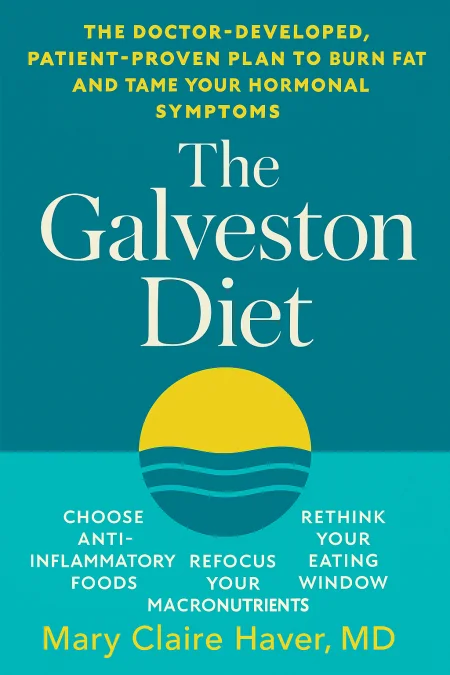
The Galveston Diet
The Doctor-Developed, Patient-Proven Plan to Burn Fat and Tame Your Hormonal Symptoms
Book Edition Details
Summary
Amid the swirling chaos of midlife, when hormonal tides rise and fall, Dr. Mary Claire Haver's groundbreaking Galveston Diet emerges as a beacon for women grappling with the stubborn weight of perimenopause and menopause. Forget the old mantras of eating less and moving more; here, a revolutionary triad of strategies takes center stage. Imagine a diet where 70% healthy fats fuel your day, combined with lean protein and quality carbs, all wrapped in the art of intermittent fasting. As you embark on this journey, inflammation is banished, and vibrant health is restored through the embrace of leafy greens, berries, and nuts. With forty mouthwatering recipes and success stories echoing with triumph, this program doesn’t just promise weight loss—it offers a renaissance of energy, clarity, and well-being. The Galveston Diet is more than a plan; it's a lifeline for women seeking lasting health transformations.
Introduction
Have you ever looked in the mirror and wondered what happened to your body? Perhaps you've noticed your favorite clothes fitting differently, experienced mysterious weight gain around your midsection, or felt like your energy levels have mysteriously vanished. If you're a woman navigating the waters of midlife, you're not alone in this journey. The changes happening to your body during perimenopause and menopause can feel overwhelming and confusing, especially when traditional diet and exercise approaches seem to stop working altogether. The truth is, your body at 40, 50, or beyond requires a completely different approach than it did in your twenties or thirties. The hormonal fluctuations you're experiencing aren't just inconveniences—they're fundamental shifts that affect everything from your metabolism to your sleep patterns. But here's the empowering reality: understanding these changes and working with your body rather than against it can transform this challenging phase into one of the most vibrant periods of your life. This journey isn't about fighting against your changing body; it's about embracing a new way of nourishing and caring for yourself that honors where you are right now.
Understanding Your Changing Body and Hormones
The hormonal symphony conducting your body's functions becomes increasingly complex during midlife, with estrogen, insulin, cortisol, and other key players all vying for attention. Rather than viewing this as your body betraying you, it's helpful to understand that these changes represent a natural transition that requires new strategies and approaches. Your metabolism isn't broken—it's simply operating under different rules now. Consider Sarah, a 48-year-old physician who had always maintained her weight effortlessly. When she began experiencing unexplained weight gain despite following her usual diet and exercise routine, she felt frustrated and defeated. Like many women, she initially blamed herself for lacking willpower or discipline. However, what Sarah was experiencing wasn't a personal failure but rather the predictable result of shifting hormone levels that affect how her body processes food and stores energy. Sarah's breakthrough came when she realized that her approach needed to evolve alongside her changing physiology. Instead of restricting calories more severely or exercising harder, she learned to work with her hormonal changes. She discovered that her insulin sensitivity had shifted, requiring adjustments to her carbohydrate intake timing. Her cortisol patterns had also changed, affecting her sleep and stress response, which in turn influenced her hunger hormones. To navigate these changes successfully, start by tracking your symptoms and patterns. Note when you feel most energetic, when cravings hit hardest, and how your sleep affects your next day's appetite. Consider consulting with healthcare providers who understand midlife women's health, and don't hesitate to request hormone testing if you're experiencing significant changes. Remember that knowledge is power in this journey. Understanding that your struggles aren't due to a lack of willpower but rather to legitimate physiological changes can be incredibly liberating. This awareness allows you to approach your health with curiosity and compassion rather than frustration and self-blame.
The Three Pillars of Metabolic Reset
The foundation of midlife health transformation rests on three interconnected pillars: intermittent fasting, anti-inflammatory nutrition, and strategic macronutrient balance. These aren't just trendy approaches—they're scientifically-backed strategies that address the specific metabolic challenges women face during hormonal transitions. Together, they create a synergistic effect that goes far beyond simple weight loss. Take Maria, a 52-year-old teacher who had tried countless diets without lasting success. She was skeptical when she first heard about combining intermittent fasting with specific nutritional strategies, worried it would be another temporary fix. However, Maria's experience illustrates how these three pillars work together to create sustainable change. She started with a gentle 16:8 intermittent fasting approach, eating within an 8-hour window and fasting for 16 hours. Within weeks, Maria noticed her energy levels stabilizing throughout the day. The anti-inflammatory foods she incorporated—rich in omega-3 fatty acids, colorful vegetables, and high-quality proteins—began reducing the joint pain she'd attributed to aging. Most surprisingly, the strategic balance of macronutrients helped her body shift from storing fat to burning it more efficiently, particularly around her midsection where she'd struggled most. To implement these pillars effectively, begin gradually with intermittent fasting, perhaps starting with a 12-hour overnight fast and slowly extending it as your body adapts. Focus on incorporating anti-inflammatory foods at each meal—think wild salmon, leafy greens, berries, and nuts. For macronutrient balance, aim for higher healthy fats, moderate protein, and carefully chosen carbohydrates that support rather than spike your blood sugar. The key to success lies in viewing these three pillars as a lifestyle rather than a temporary intervention. They work best when implemented together consistently, creating a metabolic environment that supports your body's natural healing and fat-burning capabilities.
Building Your Anti-Inflammatory Lifestyle
Chronic inflammation acts like a slow-burning fire in your body, contributing to weight gain, joint pain, brain fog, and numerous health challenges that become more pronounced during midlife. Building an anti-inflammatory lifestyle involves more than just avoiding certain foods—it's about creating a comprehensive approach that supports your body's natural healing processes and reduces the inflammatory burden that accumulates over time. Jennifer, a 45-year-old marketing executive, had been living with persistent joint pain, afternoon energy crashes, and stubborn weight around her midsection. Her doctor suggested her symptoms might be related to chronic inflammation, but Jennifer wasn't sure where to start. She began by eliminating processed foods high in sugar and refined carbohydrates, which had been staples in her busy lifestyle. She also started incorporating powerful anti-inflammatory foods like turmeric, fatty fish, leafy greens, and colorful berries. The transformation wasn't immediate, but within a few months, Jennifer noticed significant changes. Her joint pain decreased markedly, her energy levels became more stable throughout the day, and she began losing weight without feeling deprived. More importantly, her sleep improved, which further supported her body's anti-inflammatory processes. Jennifer realized that her food choices were either feeding inflammation or fighting it—there was no neutral ground. To build your anti-inflammatory lifestyle, start by crowding out inflammatory foods rather than focusing solely on restrictions. Add omega-3 rich foods like wild-caught fish, walnuts, and flaxseeds to your meals. Include colorful vegetables and fruits that provide antioxidants and phytonutrients. Consider anti-inflammatory spices like turmeric, ginger, and garlic in your cooking. Beyond food choices, remember that sleep, stress management, and regular movement all contribute to your inflammatory status. Prioritize 7-8 hours of quality sleep, develop stress-reduction practices that work for you, and engage in enjoyable physical activities. This holistic approach creates a powerful foundation for long-term health and vitality.
Maintaining Success for Life
The ultimate goal of any health transformation is sustainability—creating changes that enhance your life rather than restrict it. Maintaining success requires shifting from a temporary "diet" mentality to embracing a way of living that feels natural, enjoyable, and aligned with your values. This means developing flexible strategies that can adapt to life's changing circumstances while maintaining the core principles that support your health. Rebecca's story illustrates this beautifully. After successfully transforming her health and losing 40 pounds through hormonal balance strategies, she faced the challenge of maintaining her progress through major life changes including a job transition and caring for aging parents. Instead of rigidly adhering to every rule, Rebecca learned to adapt her approach while maintaining her core principles. She discovered that intermittent fasting could be flexible—sometimes 14 hours, sometimes 16, depending on her schedule. Rebecca also learned to navigate social situations, travel, and stress periods without abandoning her healthy habits entirely. She developed what she called "good enough" standards—choices that weren't perfect but were still aligned with her anti-inflammatory approach. During particularly stressful periods, she focused on maintaining her sleep schedule and continuing her morning walks, knowing these habits would support her through challenging times. To maintain long-term success, develop a flexible framework rather than rigid rules. Create non-negotiable habits that support your foundation—perhaps your morning routine or your commitment to quality sleep. Build in planned flexibility for social occasions, travel, and life's unexpected challenges. Most importantly, cultivate self-compassion for imperfect days while maintaining your commitment to overall progress. Remember that maintenance isn't about perfection—it's about consistency and resilience. Develop strategies for getting back on track quickly when you veer off course, and celebrate the sustainable lifestyle you're creating rather than focusing solely on external measures of success.
Summary
The journey through midlife doesn't have to be a battle against your changing body—it can be an opportunity to develop a deeper, more compassionate relationship with your health and vitality. By understanding your hormonal changes, implementing the three pillars of metabolic reset, building an anti-inflammatory lifestyle, and developing sustainable long-term strategies, you can reclaim your energy and confidence during this transformative phase of life. As the research consistently shows, "Nutrition is the most under-utilized medication, yet it is the most effective." Your next step is beautifully simple yet powerful: choose one anti-inflammatory food to add to your next meal, whether it's a handful of blueberries, a serving of wild salmon, or a cup of leafy greens. This single action represents more than a nutritional choice—it's a declaration of self-care and a commitment to working with your body's wisdom rather than against it.
Related Books
Download PDF & EPUB
To save this Black List summary for later, download the free PDF and EPUB. You can print it out, or read offline at your convenience.
By Mary Claire Haver
