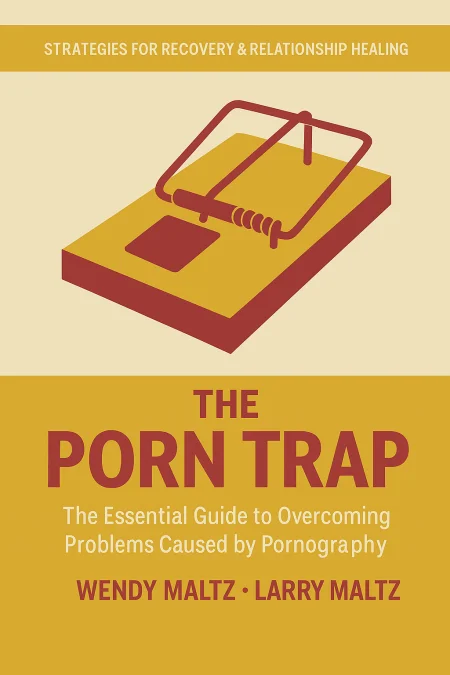
The Porn Trap
The Essential Guide to Overcoming Problems Caused by Pornography
Book Edition Details
Summary
In a world shadowed by screens and secrets, "The Porn Trap" confronts the silent epidemic of pornography addiction with an unflinching gaze. Authored by esteemed therapists Wendy and Larry Maltz, this groundbreaking guide dives into the heart of the matter, unraveling the seductive pull of porn and its pervasive impact on lives and relationships. With clarity and compassion, the Maltzes offer a lifeline—practical strategies to reclaim autonomy and intimacy. Whether you’re a casual user, a struggling addict, or a partner seeking solace, this book maps out a path to healing and liberation, rebuilding self-worth and rekindling genuine connection. Embrace the chance to break free from digital chains and rediscover a life enriched by authentic intimacy and integrity.
Introduction
Contemporary digital culture has fundamentally transformed human sexuality through the unprecedented accessibility of pornographic content, creating what appears to be a sophisticated system of neurochemical manipulation disguised as entertainment. This investigation reveals how pornography operates not merely as visual stimulation but as a powerful conditioning mechanism that systematically rewires brain chemistry, distorts intimate relationships, and creates dependency patterns indistinguishable from substance addiction. The evidence demonstrates that what society often dismisses as harmless adult entertainment actually functions as a delivery system for neurochemical changes that undermine the capacity for authentic human connection and sexual health. The analysis employs a multidisciplinary approach, combining cutting-edge neurobiological research with clinical observations and therapeutic outcomes to construct a comprehensive understanding of pornography's impact on individuals and relationships. Through detailed examination of brain imaging studies, addiction patterns, and recovery frameworks, the investigation traces the progression from initial exposure to compulsive use, revealing consistent neurological changes that persist long after behavioral cessation. This systematic exploration challenges prevailing cultural assumptions about pornography's harmlessness while providing evidence-based pathways for healing and recovery that restore both neurological function and relational capacity.
Neurobiological Mechanisms: How Pornography Hijacks Brain Chemistry
Pornography consumption triggers powerful neurochemical cascades that fundamentally alter brain structure and function through mechanisms identical to those observed in substance addiction. The visual cortex processes pornographic imagery with the same immediacy as real sexual encounters, flooding the brain's reward centers with dopamine levels that far exceed those produced by natural sexual experiences. This artificial stimulation overwhelms the brain's natural reward system, creating tolerance effects that require increasingly extreme content to achieve the same neurochemical response, while simultaneously diminishing sensitivity to normal pleasures and real-world relationships. The delivery mechanisms of internet pornography amplify these neurological effects through what researchers term "intermittent variable reinforcement schedules" that mirror the psychological manipulation techniques employed by gambling systems. The endless novelty available through rapid clicking and searching behaviors creates sustained states of arousal and anticipation that maintain users in prolonged dopamine-seeking cycles. This constant stimulation fundamentally rewires neural pathways, establishing pornographic imagery as the primary trigger for sexual arousal while weakening the brain's capacity to respond to real human partners. Neuroimaging studies reveal structural brain changes in heavy pornography users that persist long after exposure ends, including decreased gray matter in the prefrontal cortex responsible for executive decision-making and impulse control. Simultaneously, the limbic system shows hyperactivity characteristic of addiction, with heightened craving responses and emotional reactivity that compromise rational decision-making abilities. These neurological alterations explain why many users report feeling unable to control their consumption despite genuine desires to quit and clear awareness of negative consequences. The recovery timeline for these neurobiological changes extends far beyond behavioral modification, with brain chemistry requiring approximately eighteen to twenty-four months to return to normal functioning after complete cessation of pornography use. This extended recovery period reflects the profound physiological impact of what many dismiss as mere entertainment, providing compelling evidence that pornography addiction represents a legitimate medical condition requiring comprehensive therapeutic intervention rather than simple willpower or moral reformation.
Documented Harm: Personal and Relational Consequences
Clinical evidence reveals systematic patterns of deterioration across multiple life domains among regular pornography users, with relationship dysfunction emerging as the most consistent and devastating consequence. Partners of pornography users report profound feelings of betrayal, sexual inadequacy, and emotional abandonment that mirror the trauma associated with infidelity, even when no physical betrayal has occurred. The secrecy required to maintain pornography consumption creates fundamental dishonesty that undermines trust and intimacy, often leading to relationship dissolution as partners struggle to compete with artificial perfection and constant availability of pornographic imagery. Professional and academic performance suffers as pornography use consumes increasing amounts of time and mental energy, with users reporting difficulty concentrating, decreased motivation, and compromised decision-making abilities. The compulsive nature of the behavior leads to risky choices, including accessing pornography in workplace or educational settings, resulting in job loss, academic failure, and professional humiliation. These consequences create additional stress that often drives users deeper into pornographic consumption as a coping mechanism, establishing destructive cycles that become increasingly difficult to break. Physical health consequences include widespread sexual dysfunction, with many users developing erectile dysfunction, delayed ejaculation, or complete inability to achieve arousal without pornographic stimulation. These physiological changes reflect the brain's adaptation to artificial stimulation, making real sexual encounters seem inadequate by comparison while creating dependency on pornographic imagery for basic sexual function. The escalation to more extreme content often leads to interests in violent or illegal material, creating legal and moral conflicts that compound existing psychological distress. Social isolation increases as users withdraw from real relationships to protect their pornography habits, with the shame and secrecy associated with use creating barriers to authentic connection. The time invested in pornographic consumption reduces opportunities for meaningful social interaction while the neurochemical changes diminish capacity for emotional bonding and empathy. This isolation reinforces the cycle of dependence, as pornography becomes simultaneously the cause of loneliness and the primary method of addressing it, trapping users in progressively narrowing cycles of compulsive behavior and social withdrawal.
Clinical Evidence: Addiction Patterns and Therapeutic Interventions
Comprehensive clinical research demonstrates that pornography addiction follows identical neurobiological pathways and behavioral patterns as established substance dependencies, meeting all diagnostic criteria for addictive disorders. Users consistently exhibit the classic addiction triad of tolerance requiring increasingly extreme content, withdrawal symptoms including irritability and depression when access is restricted, and continued use despite clear negative consequences to relationships, career, and personal well-being. Brain imaging studies reveal the same neurological markers found in cocaine and alcohol addiction, including decreased prefrontal cortex activity and disrupted neurotransmitter systems affecting mood regulation, stress response, and bonding capacity. Treatment outcomes support the addiction framework, with successful interventions employing strategies proven effective for substance abuse recovery, including complete abstinence rather than moderated use, comprehensive lifestyle modification, and long-term therapeutic support. The high relapse rates observed in pornography addiction treatment mirror those found in other dependency disorders, with most individuals requiring multiple attempts at recovery before achieving sustained abstinence. This pattern reflects the powerful conditioning effects and neurochemical disruption that characterize genuine addiction rather than simple behavioral habits or moral failings. Therapeutic approaches that acknowledge the neurobiological basis of pornography addiction demonstrate significantly higher success rates than those treating it as purely behavioral or moral issue. Cognitive-behavioral therapy combined with support group participation and accountability partnerships addresses both the compulsive behaviors and underlying psychological factors that contribute to dependency. The treatment process typically requires eighteen to twenty-four months for significant neurological recovery and behavioral stabilization, reflecting the profound physiological changes that must be reversed for sustainable healing. Clinical evidence reveals that attempted moderation consistently fails due to the powerful conditioning effects and neurochemical disruption created by pornography use, necessitating complete abstinence for successful recovery. This finding parallels treatment approaches for other substance dependencies and validates the neurobiological understanding of pornography addiction as a legitimate medical condition requiring comprehensive therapeutic intervention rather than willpower-based approaches that consistently prove inadequate for addressing the underlying neurological changes.
Recovery Framework: Evidence-Based Healing and Healthy Sexuality
Effective recovery from pornography addiction requires comprehensive frameworks that address neurobiological healing, psychological restructuring, and relational restoration through evidence-based interventions proven successful in treating behavioral dependencies. The foundation of sustainable recovery rests on complete abstinence from pornographic material, allowing the brain's reward systems to reset and develop sensitivity to natural pleasures and real human connection. This neurological healing process requires extensive time commitment, typically eighteen to twenty-four months for significant brain chemistry restoration, during which individuals must actively restructure their environment and develop alternative coping mechanisms. Support systems prove crucial for maintaining recovery, with peer support groups providing understanding and accountability that professional treatment alone cannot achieve. Whether through twelve-step programs, faith-based recovery communities, or professionally facilitated therapy groups, the experience of sharing struggles with others who understand the challenges creates powerful motivation for sustained healing. Family therapy addresses the relational damage caused by pornography use while helping partners process their own trauma and develop healthy boundaries during the recovery process. Environmental modifications represent essential components of comprehensive recovery, requiring users to actively restructure their living and working spaces to minimize exposure opportunities and triggers. Technology solutions including filtering software, accountability partnerships, and lifestyle changes that reduce private internet access create external supports that reinforce internal motivation during vulnerable periods. These environmental controls prove particularly important during early recovery when neurological healing is incomplete and willpower alone proves insufficient for maintaining abstinence. The ultimate goal extends beyond mere behavioral cessation to encompass the development of authentic sexual intimacy and emotional connection characterized by mutual respect, vulnerability, and gradual physical intimacy that develops alongside deepening emotional bonds. This transformation requires learning to experience arousal and satisfaction through real human connection rather than artificial stimulation, often involving periods of sexual abstinence that allow brain chemistry to normalize. True freedom emerges when individuals can engage in intimate relationships without pornographic intrusion, experiencing sexuality as an expression of love and connection rather than compulsive consumption, representing not merely recovery from addiction but discovery of authentic human intimacy that transcends anything possible while trapped in pornographic dependency.
Summary
This systematic examination reveals pornography addiction as a sophisticated neurobiological condition that creates measurable brain changes while systematically undermining human capacity for authentic intimacy and sexual health, requiring comprehensive therapeutic intervention that addresses both the addictive mechanisms and the underlying psychological factors that sustain compulsive use. The convergence of neurobiological evidence, clinical observations, and therapeutic outcomes demonstrates that recovery becomes possible through evidence-based approaches acknowledging both the genuine medical nature of pornography dependency and the human capacity for neuroplasticity and healing, ultimately leading to restoration of brain function and development of authentic relational intimacy that far exceeds the artificial stimulation of pornographic content. This analysis serves individuals seeking understanding of pornography addiction mechanisms for personal recovery, supporting loved ones, or contributing to broader cultural recognition of this pervasive challenge facing contemporary society in an era of unprecedented digital access to potentially harmful content.
Related Books
Download PDF & EPUB
To save this Black List summary for later, download the free PDF and EPUB. You can print it out, or read offline at your convenience.
By Wendy Maltz
