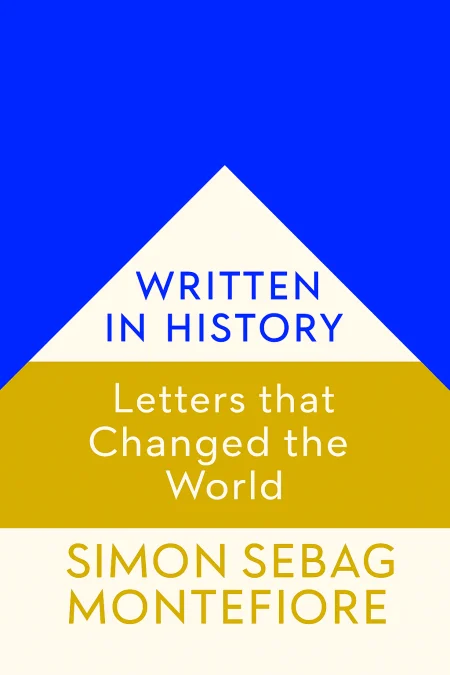
Written in History
Letters that Changed the World
Book Edition Details
Summary
In "Written in History," acclaimed historian Simon Sebag Montefiore invites readers into the intimate corridors of history through a treasure trove of letters penned by the famous and the forgotten. This collection spans epochs, featuring missives from the likes of Elizabeth I, Mandela, and even anonymous voices swept up in extraordinary events. These letters reveal not just the lofty ideals and dark impulses of their writers, but also the shared humanity that binds us across time. Whether tenderly expressing love, waging political battles, or contemplating mortality, each letter is a window into the past that resonates with the present. With Montefiore's masterful storytelling, these documents become more than mere correspondence; they are vibrant echoes that shape our understanding of history and the human experience.
Introduction
In an age when digital messages disappear with the swipe of a finger, there's something profoundly moving about handwritten letters that have survived centuries, carrying with them the authentic voices of history's most pivotal figures. These intimate documents reveal not just what happened, but how it felt to live through moments that would reshape civilization itself. From Napoleon's passionate notes to Josephine before his greatest victories to Stalin's chilling instructions for mass executions, from love letters that toppled kingdoms to desperate pleas that saved nations, these correspondences offer us an unfiltered window into the human drama behind world-changing events. This remarkable collection illuminates three fundamental aspects of historical understanding. First, it demonstrates how personal relationships and private emotions often drove public events of enormous consequence. Second, it reveals the timeless patterns of human nature that persist across cultures and centuries, showing us that the powerful and famous grappled with the same desires, fears, and moral choices we face today. Finally, these letters prove that individual words, carefully chosen and courageously sent, possessed the power to alter the course of human civilization in ways their writers could never have imagined. These documents speak to anyone curious about the hidden springs of historical change, those who seek to understand how great events unfold through the accumulated choices of individual human beings, and readers who recognize that the past offers profound guidance for navigating our own turbulent times.
Power and Passion: Royal Letters Through the Ages
The intertwining of personal desire and political power created some of history's most consequential correspondence, where private passions shaped public destinies across millennia. From ancient pharaohs to modern monarchs, rulers discovered that matters of the heart could determine the fate of nations, leaving behind letters that reveal the human cost of absolute authority. Consider Henry VIII's ardent pursuit of Anne Boleyn, documented in letters that betray both genuine infatuation and calculated political maneuvering. His passionate declarations masked a deeper agenda that would ultimately sever England from Rome, establish a new church, and fundamentally alter the religious landscape of Europe. Similarly, Catherine the Great's correspondence with Prince Potemkin reveals how their extraordinary partnership combined romantic devotion with imperial expansion, their love letters interweaving tender endearments with strategic plans for conquering vast territories and founding new cities. The vulnerability inherent in royal correspondence often exposed the isolation that accompanied supreme power. Alexander I's letters to his beloved sister show how even the conqueror of Napoleon craved the simple human connection that his position denied him. These rulers, despite commanding vast armies and ruling millions, remained fundamentally human in their need for understanding and affection, often finding it only in clandestine relationships that had to be conducted through carefully guarded letters. What emerges from these royal correspondences is a pattern that transcends centuries and cultures: the tension between public duty and private desire, the way personal relationships could either strengthen or undermine political authority, and the profound loneliness that often accompanied absolute power. These intimate documents remind us that behind every crown was a human being struggling with the same fundamental needs for love, understanding, and genuine connection that drive us all.
Revolution and War: Letters from Times of Crisis
In moments of revolutionary upheaval and military crisis, letters became lifelines that connected leaders to their causes, their followers, and their deepest convictions about justice and sacrifice. These urgent communications, often written by candlelight in makeshift headquarters or smuggled across enemy lines, reveal how individuals processed the moral weight of violence undertaken in service of ideological transformation. The correspondence of revolutionary leaders like Toussaint L'Ouverture demonstrates the complex intersection of personal conscience and political necessity. His letters show a man who understood that his rebellion against French colonial rule represented not just a military campaign, but a fundamental challenge to the entire system of human bondage. Similarly, Lenin's chilling instructions for mass executions reveal how revolutionary fervor could transform idealistic visions of social justice into instruments of systematic terror, illustrating the dark trajectory that often claimed utopian movements. Military commanders writing from battlefields captured both the immediate tactical realities and the broader historical significance of their actions. Wellington's dispatches from Waterloo, Churchill's correspondence during Britain's darkest hours, and Eisenhower's preparation for D-Day all demonstrate how great leaders processed the enormous responsibility of decisions that would determine not just military outcomes, but the future shape of civilization itself. These crisis letters illuminate a fundamental truth about revolutionary and wartime leadership: the individuals who shaped history's pivotal moments were acutely conscious of their historical roles while simultaneously grappling with profound uncertainty about outcomes. Their correspondence reveals the psychological burden of making decisions whose consequences would ripple across generations, and the way personal courage and moral conviction could sustain individuals through periods when the fate of nations hung in the balance.
Art, Discovery and Human Spirit: Creative Correspondence
The letters of history's great creators and discoverers reveal how artistic genius and scientific breakthrough emerged from deeply personal struggles with inspiration, doubt, and the relentless pursuit of truth and beauty. These intimate communications show us minds grappling with ideas that would fundamentally transform human understanding and cultural expression, often in the face of indifference or active opposition from their contemporaries. Michelangelo's correspondence during his work on the Sistine Chapel captures both the physical agony and spiritual exaltation of creating one of humanity's greatest artistic achievements. His letters describe not just the technical challenges of painting while suspended upside down, but the psychological burden of translating divine inspiration into earthly form. Similarly, Darwin's exchanges with colleagues reveal how revolutionary scientific insights developed through painstaking observation, careful reasoning, and the courage to challenge fundamental assumptions about human nature and origins. The correspondence between literary and artistic figures illuminates the collaborative nature of creative breakthrough. The exchanges between writers, composers, and artists show how great works emerged from communities of mutual support and intellectual challenge. These letters reveal how creative individuals sustained themselves through periods of doubt and rejection, drawing strength from correspondence with fellow artists who understood the peculiar demands of creative work. What unites these diverse creative correspondences is their revelation of the deeply human struggle to push beyond existing boundaries of knowledge and expression. Whether documenting the discovery of new continents, the formulation of scientific theories, or the creation of enduring works of art, these letters show us individuals driven by curiosity, sustained by passion, and willing to risk everything in pursuit of truths that would outlive their creators and enrich human civilization for generations to come.
Downfall and Farewell: Final Letters from History
The final correspondences of history's great figures offer profound insights into how individuals confronted mortality, failure, and the end of their influence over world events. These farewell letters, written in prison cells, deathbeds, and moments of political collapse, reveal the ultimate human truths that transcend temporal power and historical circumstance. Some of history's most powerful figures faced their endings with remarkable dignity and insight. Emperor Hadrian's farewell to his soul demonstrates how philosophical reflection could transform the approach of death into an opportunity for transcendent understanding. Similarly, Walter Raleigh's final letter to his wife combines practical concerns about family finances with profound meditations on love, mortality, and the meaning of an adventurous life spent in service to great causes. The correspondence of political leaders facing downfall illuminates how individuals processed the collapse of movements and ideologies to which they had devoted their lives. Simón Bolívar's bitter final assessment of South American politics reveals a liberator's disillusionment with the aftermath of successful revolution. These letters show how even history's greatest figures struggled to understand the gap between their noble intentions and the complex realities of human nature and political change. Perhaps most moving are the farewell letters that transcend immediate circumstances to offer wisdom for future generations. Whether written by condemned prisoners, dying artists, or leaders facing the end of their movements, these final communications often achieve a clarity and honesty that was impossible during the heat of active engagement with worldly affairs.
Summary
Throughout these diverse correspondences spanning millennia and continents, a central theme emerges: the profound impact of individual human choices on the broad sweep of historical development. These letters reveal that behind every great historical transformation were specific individuals making difficult decisions under enormous pressure, guided by their personal values, relationships, and understanding of their historical moment. The thread connecting a pharaoh's orders to his wife, a revolutionary's instructions to his followers, and a dying emperor's farewell to his successor is the fundamental human capacity to shape the future through words, decisions, and moral courage. The correspondence collected here offers three essential insights for contemporary readers. First, we must recognize that our own choices and communications possess far greater historical weight than we typically acknowledge, as individual decisions accumulate to create the broader patterns that future generations will study as inevitable historical forces. Second, the recurring themes across centuries and cultures suggest that understanding historical patterns can help us navigate contemporary challenges with greater wisdom and perspective. Finally, these letters demonstrate the enduring power of authentic communication to bridge differences, inspire action, and create lasting change even across vast differences in time, culture, and circumstance. The ultimate lesson of these historical correspondences is that each generation faces the responsibility of choosing between courage and comfort, between truth and convenience, between individual interests and collective good. The individuals whose letters changed the world understood this responsibility and chose to act upon it, leaving us both inspiration for our own decisions and guidance for creating a future worthy of their sacrifices and achievements.
Related Books
Download PDF & EPUB
To save this Black List summary for later, download the free PDF and EPUB. You can print it out, or read offline at your convenience.
By Simon Sebag Montefiore
