
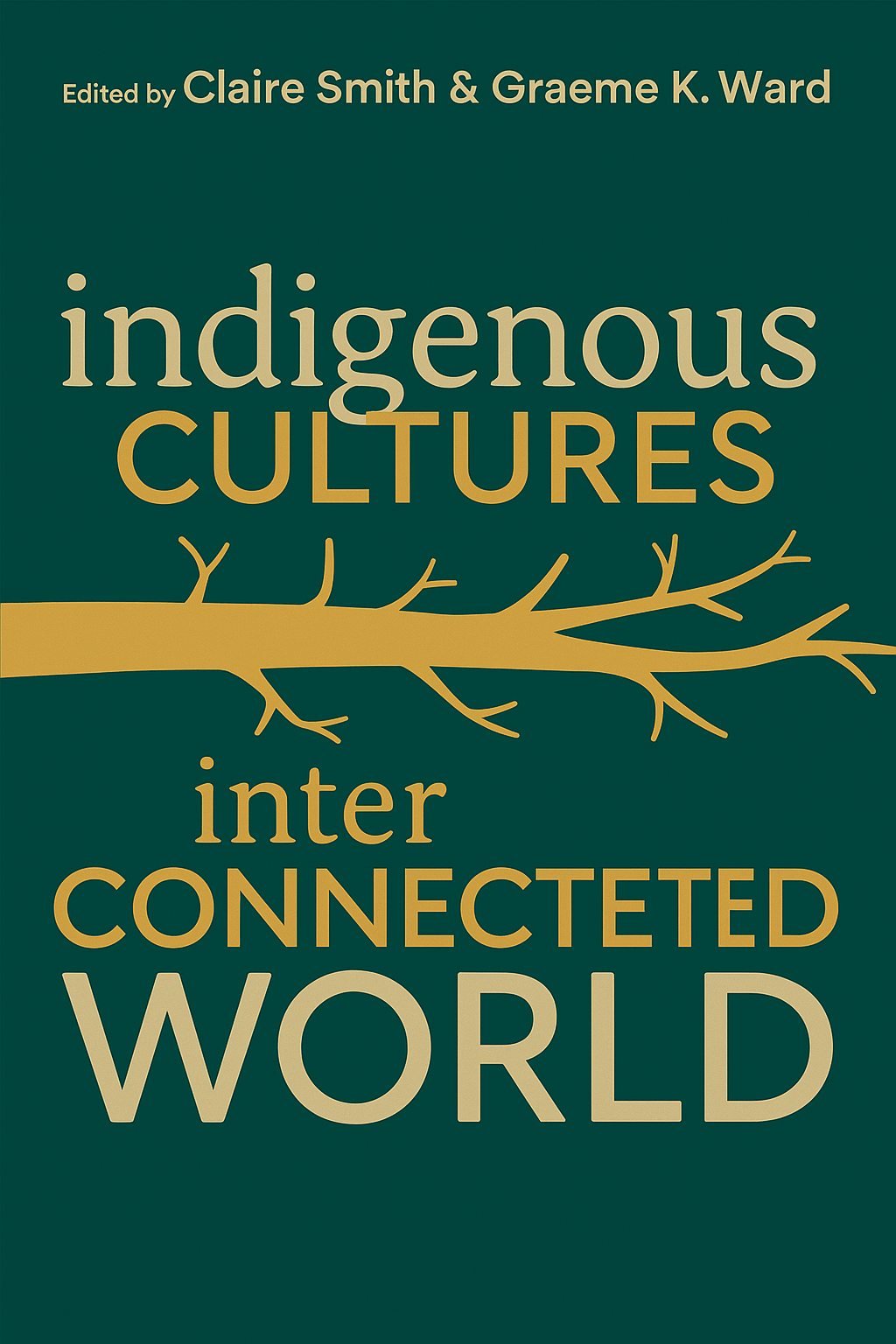
Indigenous Cultures in an Interconnected World
How Indigenous Peoples Can Tackle the Challenges of Globalization
byClaire Smith, Graeme K. Ward
Book Edition Details
Summary
In an era where the world's threads weave tighter, the rich tapestry of Indigenous cultures faces both peril and promise. "Indigenous Cultures in an Interconnected World" paints a vivid canvas of resilience and innovation, spotlighting how Indigenous communities are not mere observers but key players in the global arena. This insightful exploration reveals how they harness the power of technology and collaboration to safeguard their heritage while shaping their futures. Through the voices of 14 diverse authors, this work transcends borders, blending disciplines to offer a holistic view of Indigenous vitality. It's an essential read for those intrigued by the dynamic interplay of tradition and modernity, challenging us to rethink what it means to thrive in a connected world.
Introduction
In the remote highlands of northern Chile, an Aymara weaver carefully selects threads of vibrant synthetic yarn alongside traditional alpaca fiber, creating textiles that honor ancient patterns while embracing modern materials. Thousands of miles away, in the Canadian subarctic, Innu hunters use GPS devices to navigate ancestral caribou trails, while their children learn traditional stories through interactive CD-ROMs. These scenes capture a profound historical transformation that has been unfolding for centuries—the dynamic relationship between Indigenous peoples and an increasingly interconnected world. This exploration reveals three critical dimensions of Indigenous experience that challenge conventional historical narratives. First, it demonstrates how Indigenous communities have always been innovators and adapters, not passive victims of historical change. Second, it illuminates the complex negotiations between maintaining cultural authenticity and embracing beneficial new technologies or opportunities. Third, it exposes the ongoing tensions between Indigenous self-determination and external pressures from governments, corporations, and global markets. The journey through these interconnected histories offers valuable insights for anyone seeking to understand how traditional cultures navigate modernity, how technology can both threaten and empower marginalized communities, and how globalization creates both unprecedented challenges and remarkable opportunities for cultural preservation and innovation.
From Isolation to Contact: Early Colonial Encounters
The notion that Indigenous peoples lived in pristine isolation before European contact dissolves under careful historical examination. Long before Spanish conquistadors reached the Andes or British colonists established settlements in Australia, Indigenous communities maintained extensive networks of trade, communication, and cultural exchange. The Hopewellian Interaction Sphere in North America, flourishing from 200 BC to 400 AD, connected communities across vast distances through trade in obsidian from Yellowstone, shark teeth from the Gulf of Mexico, and mica from the Appalachian Mountains. These early networks established patterns of adaptation and innovation that would prove crucial during colonial encounters. When Europeans arrived with horses, metal tools, and firearms, Indigenous peoples quickly recognized their potential value and adapted them to existing cultural frameworks. Tasmanian Aboriginal people, for instance, within a decade of first contact, had incorporated dogs, cats, and firearms into their daily lives and belief systems. They trained cats to hunt possums and developed specialized storage techniques for maintaining European weapons, demonstrating remarkable cultural flexibility rather than passive acceptance of foreign influences. The colonial period marked not just the beginning of sustained contact, but the emergence of new forms of identity and resistance. As European powers imposed political boundaries and administrative systems, Indigenous peoples found themselves forced to navigate between maintaining traditional ways of life and adapting to new realities. The creation of ethnic categories like "Indian" or "Aboriginal" reflected colonial attempts to simplify and control diverse populations, yet these same categories eventually became tools for political organization and resistance. The most profound transformation during this period was the introduction of writing systems and permanent settlements, which challenged oral traditions and nomadic lifestyles. However, rather than simply replacing Indigenous knowledge systems, these changes often created hybrid forms of cultural expression that preserved essential elements while adapting to new circumstances.
Cultural Adaptation and Resistance in the Modern Era
The nineteenth and twentieth centuries witnessed Indigenous peoples developing increasingly sophisticated strategies for cultural survival within expanding nation-states. This period revealed the fundamental tension between government policies aimed at assimilation and Indigenous determination to maintain distinct cultural identities. In Australia, the policy progression from extermination to assimilation to multiculturalism reflected changing official attitudes, yet Indigenous communities consistently found ways to preserve essential cultural elements even under the most oppressive conditions. The development of pan-Indigenous identities during this era represents one of the most significant adaptations to colonial circumstances. Previously distinct tribal groups began recognizing shared experiences of dispossession and cultural suppression, leading to new forms of political organization and cultural expression. The emergence of Aboriginal art as a commercial and political force in Australia exemplifies this transformation. Artists like Narritjin Maymuru understood that their bark paintings could serve dual purposes—maintaining connection to ancestral traditions while communicating Indigenous perspectives to non-Indigenous audiences. Land rights movements emerged as perhaps the most powerful expression of modern Indigenous resistance. The 1968 Gurinji strike in Australia's Northern Territory and similar movements across North America demonstrated how traditional relationships to land could be translated into legal and political frameworks comprehensible to dominant societies. These movements succeeded not by rejecting modernity, but by using its tools—courts, media, international law—to advance Indigenous interests. The period also saw the development of Indigenous media and cultural institutions that would become crucial for future developments. Early experiments with radio and television in Indigenous communities revealed both the potential and the challenges of using new technologies to strengthen rather than undermine traditional cultures. The key insight emerging from this era was that cultural authenticity did not require static preservation of past practices, but rather the maintenance of core values and relationships while adapting to changing circumstances.
Digital Age Empowerment and Global Indigenous Networks
The information age has created unprecedented opportunities for Indigenous peoples to control their own narratives while building powerful global networks of solidarity and support. The rapid adoption of internet technologies by Indigenous communities reflects not just adaptation to modernity, but the recognition that digital tools align naturally with traditional oral communication patterns and community organizing principles. Native American communities, for instance, have created extensive online networks that simultaneously celebrate tribal distinctiveness and build pan-Indian solidarity. The democratizing potential of digital technologies has proven particularly significant for Indigenous media production and distribution. Inuit filmmakers in northern Canada can now create documentaries about their communities and distribute them globally without relying on southern media gatekeepers. Similarly, Australian Aboriginal communities use web platforms to share cultural knowledge, coordinate political action, and connect with Indigenous peoples worldwide, creating new forms of global Indigenous identity that transcend national boundaries. However, the digital age has also intensified concerns about cultural appropriation and intellectual property protection. The ease with which images, music, and cultural symbols can be copied and distributed online has forced Indigenous communities to develop new strategies for protecting sacred knowledge while still engaging with global audiences. The challenge lies in maintaining control over cultural representation while taking advantage of digital technologies' capacity to amplify Indigenous voices and concerns. The COVID-19 pandemic accelerated these digital transformations, forcing Indigenous communities to rapidly develop online education systems, virtual cultural events, and digital preservation projects. These adaptations have created new possibilities for maintaining cultural connections across geographic distances while opening up innovative approaches to language preservation and cultural transmission. The pandemic experience demonstrated that digital technologies could strengthen rather than weaken community bonds when deployed according to Indigenous values and priorities.
Summary
The historical trajectory of Indigenous peoples in an interconnected world reveals a fundamental truth often obscured by colonial narratives: these communities have always been dynamic agents of change rather than passive victims of historical forces. From ancient trading networks to modern digital activism, Indigenous peoples have consistently demonstrated remarkable capacity for adaptation while maintaining core cultural values and relationships. The central tension throughout this history has been between external pressures toward assimilation or marginalization and internal drives toward cultural preservation and self-determination. This historical perspective offers three essential insights for contemporary challenges. First, authentic cultural preservation does not require rejecting all outside influences, but rather maintaining control over the process of cultural change. Second, technology and globalization create both threats and opportunities—the key lies in Indigenous communities retaining agency over how these tools are deployed. Third, the most successful strategies for cultural survival have combined deep respect for traditional knowledge with strategic engagement with dominant social, political, and economic systems. Moving forward, the lesson is clear: supporting Indigenous rights and cultural preservation requires recognizing these communities as innovative partners in addressing global challenges rather than remnants of a disappearing past. Their experiences navigating between tradition and modernity, local identity and global connection, offer valuable insights for all communities struggling to maintain meaningful cultural identity in an increasingly interconnected world.
Related Books
Download PDF & EPUB
To save this Black List summary for later, download the free PDF and EPUB. You can print it out, or read offline at your convenience.
By Claire Smith
