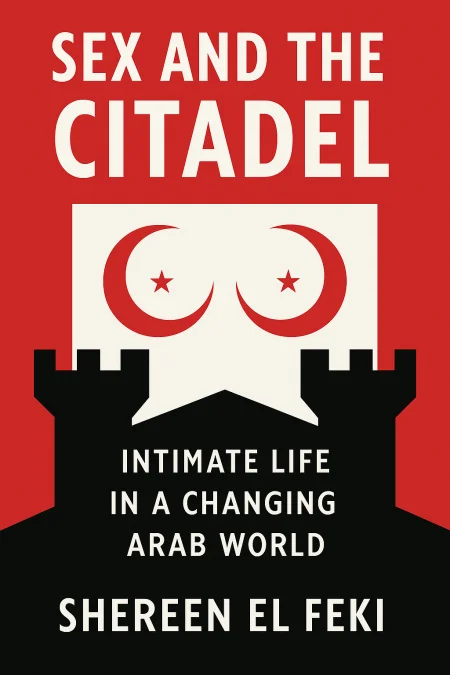
Sex and the Citadel
Intimate Life in a Changing Arab World
Book Edition Details
Summary
Shereen El Feki dares to peel back the veils of secrecy in "Sex and the Citadel," a groundbreaking exploration of intimacy in the Arab world. As revolutions spark in public squares, El Feki ventures into the private, probing the cultural intersections of sex and identity within societies often cloaked in conservatism. With a tapestry woven from vibrant stories and keen observations, she reveals a landscape where desire collides with tradition, and personal freedoms challenge age-old taboos. From clandestine encounters to the candid voices of reformers, this book offers a mosaic of experiences, rich with humor and humanity. It's an eye-opening journey into the heart of a region in flux, offering a fresh perspective on the ties between personal lives and societal change.
Introduction
In the shadow of Cairo's ancient minarets and the bustling souks of Damascus, a quiet revolution unfolds in bedrooms, coffee houses, and internet cafes across the Arab world. This transformation touches the most intimate aspects of human experience, revealing how political upheaval, religious interpretation, and social change interweave to reshape sexuality and relationships in ways that challenge both Western assumptions and local orthodoxies. The journey from medieval Baghdad's celebrated sexual sophistication to contemporary society's conservative restrictions illuminates three profound historical questions. How did civilizations once renowned for erotic literature and sexual openness become bastions of repression? What role do economic pressures and demographic changes play in transforming marriage patterns and gender relations? And how might new technologies and political movements create unprecedented opportunities for sexual expression and rights advocacy? This exploration speaks to policymakers, scholars, and general readers who recognize that personal freedoms and intimate relationships cannot be separated from broader questions of democracy, development, and human dignity. It offers essential insights for anyone seeking to understand the human dimensions of political and social change in one of the world's most dynamic regions.
From Golden Age to Colonial Disruption: The Historical Transformation of Arab Sexuality
The medieval Arab world stood as a beacon of sexual enlightenment, producing literature that celebrated desire as a divine gift rather than a source of shame. In tenth-century Baghdad, scholars penned detailed treatises on pleasure and lovemaking, while religious authorities saw no contradiction between faith and physical fulfillment. Works like The Encyclopedia of Pleasure and The Perfumed Garden exemplified a civilization confident enough to embrace human sexuality as worthy of serious intellectual study. This openness reflected the broader intellectual confidence of societies at their cultural peak. When Arab scholars preserved Greek philosophy and advanced mathematics, they simultaneously developed sophisticated frameworks for understanding sexual diversity and intimate relationships. Religious leaders wrote extensively about sexual techniques, viewing comprehensive knowledge of intimate matters as essential to proper spiritual guidance of their communities. The transformation began with political decline and colonial encounter during the nineteenth and twentieth centuries. European powers imposed their own moral frameworks while simultaneously exoticizing Arab sexuality, creating profound contradictions that disrupted traditional Islamic approaches to intimacy. Colonial administrators introduced legal codes that criminalized certain practices while maintaining orientalist fantasies about Eastern sensuality, forcing societies to navigate between competing moral systems. The response came through Islamic revival movements that sought to purify society from Western corruption, paradoxically adopting Western-style moral panic about sexuality while claiming to restore authentic values. This created new forms of conservatism actually more restrictive than traditional Islamic teachings, establishing the framework for contemporary struggles over sexual rights, women's freedoms, and moral regulation that continue to shape the region today.
Marriage Crisis and Youth Revolution: Economic Pressures Reshape Intimate Life
Economic transformation fundamentally altered the landscape of marriage and family formation across the Arab world, creating unprecedented challenges for young people seeking to establish intimate relationships. Rising costs of weddings, housing, and household establishment pushed the average age of marriage steadily upward, trapping a generation between sexual maturity and social permission to express it. Young men found themselves unable to afford elaborate wedding expenses that families demanded, while women faced increasing pressure to remain virgins despite longer periods of singlehood. Within marriage itself, couples grappled with conflicting messages about sexual pleasure and gender roles that reflected broader social tensions. Traditional Islamic teachings celebrating mutual satisfaction competed with newer conservative interpretations emphasizing female submission and male control. Many wives reported sexual dissatisfaction and communication problems, while husbands struggled with performance anxieties exacerbated by unrealistic expectations and limited sexual education available through conventional channels. The proliferation of alternative arrangements revealed the inadequacy of traditional institutions to meet contemporary needs. Temporary marriages, customary unions, and tourist marriages often exploited women while providing men sexual access outside conventional frameworks. These practices demonstrated how economic and social pressures forced people to find creative, often problematic, solutions to basic human needs for intimacy and companionship. Educational expansion, particularly for women, created new tensions as traditional male authority was challenged by women's growing independence and career aspirations. This demographic shift opened possibilities for more egalitarian relationships while simultaneously provoking conservative backlash and increased domestic tensions, setting the stage for broader conflicts over gender roles and personal autonomy that would define the next generation's struggles.
Digital Age and Political Upheaval: Technology, Activism and Conservative Backlash
The technological revolution shattered traditional gatekeepers of sexual knowledge, allowing young people unprecedented access to information and global perspectives through satellite television and internet connectivity. Online forums and social media created new spaces for intimate conversations and community building across traditional boundaries, enabling discussions about sexuality, relationships, and personal identity that previous generations could never have pursued openly or safely. The emergence of sexual rights activism represented a dramatic break with the past, as young advocates began articulating demands for personal freedom in explicitly political terms. Organizations supporting LGBT rights, combating sexual harassment, and promoting comprehensive sex education challenged both state authority and religious orthodoxy. These movements drew inspiration from global human rights discourse while seeking to ground their arguments in local cultural and religious traditions, creating new forms of indigenous advocacy. The political upheavals beginning in 2011 temporarily suspended normal social restrictions, creating unprecedented opportunities for discussing previously taboo subjects including sexual rights and gender equality. Women's prominent participation in protests challenged traditional gender roles and demonstrated their capacity for political leadership, while revolutionary moments allowed for more open conversations about personal freedoms and individual autonomy within Islamic frameworks. However, this awakening also provoked intense conservative backlash as traditional authorities recognized the threat that sexual liberation posed to existing power structures. The rise of Islamist parties in several countries threatened to roll back women's rights and impose more restrictive sexual norms, creating new dilemmas about balancing religious identity with human rights and intensifying cultural wars over the future direction of social change.
The Future of Intimacy: Sexual Rights in Democratic Transitions
The long-term trajectory of sexual transformation will depend on how Arab societies resolve fundamental questions about the relationship between religion and politics, individual rights and collective identity. Economic development, educational expansion, and technological connectivity create irreversible pressures for change, but the specific forms that transformation takes will be shaped by ongoing political struggles and cultural negotiations between competing visions of authentic Islamic society. Contemporary activists who ground their arguments in classical Islamic traditions of sexual pragmatism and gender equity offer the most promising path forward, demonstrating that sexual rights are not Western impositions but universal human needs finding expression within every cultural context. The challenge lies in distinguishing between authentic cultural values and the hybrid forms of repression that emerged from colonial encounters and political manipulation of religious teachings. Three principles emerge for supporting sustainable transformation. First, meaningful change must come from within societies themselves, building on indigenous traditions of tolerance and pragmatism rather than external pressure or imposed solutions. Second, economic development and educational expansion provide essential foundations for sexual liberation by giving individuals the resources and knowledge necessary to make autonomous choices about their intimate lives. Third, the struggle for sexual rights cannot be separated from broader movements for democracy, human rights, and social justice, as personal freedoms and political freedoms represent inseparable aspects of human dignity. The experience of sexual transformation in the Arab world demonstrates that intimate relationships intersect fundamentally with processes of political and social change, offering important lessons about how societies navigate between tradition and modernity while preserving cultural authenticity.
Summary
The transformation of sexual culture in the modern Arab world reveals a fundamental tension between human desires for intimate fulfillment and political needs for social control, played out across multiple generations through colonial disruption, religious revival, economic pressures, and technological change. This historical trajectory demonstrates that sexual rights and personal freedoms represent universal human needs that find expression within every cultural context, rather than Western impositions threatening authentic Islamic values. The struggle illuminates how traditional Islamic approaches to sexuality have been both suppressed and distorted, creating new forms of anxiety and conflict around basic human experiences. Contemporary movements that recover classical traditions of sexual pragmatism while addressing modern challenges offer the most sustainable path forward, showing how societies can honor their heritage while adapting to contemporary realities and human aspirations. For those seeking to support positive change, the historical analysis reveals that sustainable transformation requires indigenous leadership building on local traditions, economic development providing foundations for individual autonomy, and recognition that personal freedoms connect inseparably to broader struggles for democracy and human dignity. The ultimate lesson is that authentic cultural evolution emerges from within societies themselves, as people work to create frameworks that honor both continuity and change in pursuit of fully human lives.
Related Books
Download PDF & EPUB
To save this Black List summary for later, download the free PDF and EPUB. You can print it out, or read offline at your convenience.
By Shereen El Feki
