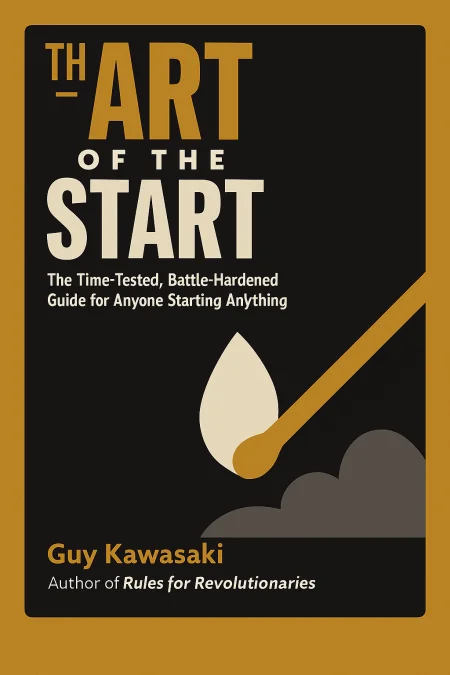
The Art of the Start
The Time-Tested, Battle-Hardened Guide for Anyone Starting Anything
Book Edition Details
Summary
The spark of innovation often begins with a relentless dream—a vision so powerful, it demands to reshape the world. But how do you transform this spark into a blazing reality? Enter "The Art of the Start," where Guy Kawasaki, a business maverick with decades of experience at the helm of Apple and Garage Technology Ventures, unveils the blueprint for turning nascent ideas into thriving enterprises. Forget the clutter of generic advice; this book is your compass through the exhilarating chaos of entrepreneurship. From the critical first steps of securing capital and assembling a dynamic team, to crafting a brand that resonates and fostering a community that believes, Kawasaki distills the alchemy of launching something extraordinary. This isn't just about starting a business; it's about mastering the artistry of the start itself.
Introduction
Every groundbreaking company began as nothing more than an idea in someone's mind. Yet the journey from conception to sustainable success remains one of the most challenging endeavors in business. The gap between having a brilliant idea and building a thriving organization that changes the world is filled with countless decisions, obstacles, and pivotal moments that can make or break an entrepreneur's dreams. What separates the ventures that flourish from those that fade into obscurity isn't luck or perfect timing. It's the mastery of fundamental principles that guide entrepreneurs through each critical phase of their journey. Whether you're sketching your first business plan in a garage, leading innovation within an established company, or championing a social cause, the art of starting and scaling requires both strategic thinking and tactical execution. The most successful entrepreneurs understand that building something meaningful demands more than passion and perseverance. It requires a deep understanding of how to turn vision into reality, how to build teams that execute brilliantly, and how to create lasting value in an ever-changing marketplace.
From Conception to Launch: Building Your Foundation
The foundation of any successful venture begins with answering deceptively simple questions that have the power to change the world. Rather than starting with grandiose ambitions, the most impactful companies emerge from entrepreneurs who ask fundamental questions like "Therefore, what?" or "Is there a better way?" These inquiries lead to profound discoveries about unmet needs and untapped opportunities. Consider the story of Steve Wozniak, who built the Apple I not because he dreamed of creating a technology empire, but because he believed there was a better way for individuals to access computers. At the time, computers were massive machines owned by governments, universities, and large corporations. Wozniak's simple question about democratizing computing power sparked a revolution that transformed how the world works, learns, and communicates. This approach of starting with simple questions rather than complex market analyses creates authentic solutions to real problems. When entrepreneurs focus on addressing genuine pain points or enabling people to do things they couldn't do before, they naturally create products that customers actually want rather than products that exist solely because they can be built. The key to building a strong foundation lies in finding your sweet spot where your expertise, a genuine opportunity, and your passion intersect. This intersection becomes the launching pad for everything that follows. Don't worry about having all three elements perfectly aligned from day one. If you have two of the three factors, you can often develop the third through dedication and effort. The goal is to create something meaningful that makes the world better off because it exists.
Scaling Through People and Partnerships
Building a successful venture requires assembling the right team and forming strategic partnerships that amplify your capabilities. The most successful entrepreneurs understand that they cannot do everything alone, and they actively seek out people who complement their skills rather than mirror them. This means hiring individuals who are better than you at specific functions, even if it challenges your ego. Guy Kawasaki learned this lesson firsthand when Apple hired him as their software evangelist despite his background in jewelry sales and psychology. Steve Jobs saw potential beyond traditional qualifications, recognizing that passion and the ability to connect with people could be more valuable than industry experience. This unconventional hiring decision proved transformative, as Kawasaki became instrumental in building the Macintosh community and establishing desktop publishing as a revolutionary market. The same principle applies to partnerships. The most effective alliances aren't born from PR opportunities or the desire to appear busy. They emerge from clear "spreadsheet reasons" where each party brings distinct strengths that create tangible value. Apple's partnership with Aldus Corporation exemplifies this approach. Apple needed a killer application to make Macintosh a serious business tool, while Aldus needed help distributing PageMaker and educating the market about desktop publishing. To build lasting relationships with both team members and partners, focus on creating win-win scenarios where everyone benefits from the collaboration. This requires honest assessment of what you bring to the table and what you need from others. Remember that the goal isn't to maintain control but to create something larger and more impactful than what any individual or organization could achieve alone.
The Art of Enduring and Being a Mensch
Creating something that endures requires more than just initial success. It demands building deep connections with customers, fostering communities around your product, and consistently doing what's right even when it's difficult. The companies that stand the test of time understand that their ultimate success depends not just on what they sell, but on the values they embody and the positive impact they create. Derek Sivers discovered this truth while building CD Baby. Despite competing in a crowded market with limited resources, his company succeeded primarily because of exceptional customer support. While competitors focused on features, pricing, and partnerships, CD Baby thrived by ensuring customers could always reach a real person who genuinely cared about solving their problems. This commitment to human connection created loyalty that transcended typical business relationships. The concept of being a "mensch" extends beyond customer service to encompass how you treat everyone in your ecosystem. This means helping people who cannot help you in return, doing the right thing even when no one is watching, and recognizing that your success creates obligations to give back to society. The most respected entrepreneurs understand that their achievements rest on the shoulders of many others and that their ultimate legacy will be measured by how they lifted others up along the way. Building something that endures also requires invoking social proof, creating ecosystems around your product, and maintaining consistency in your actions and values. When customers become evangelists for your product, when other businesses build upon your platform, and when your brand represents something meaningful beyond mere commerce, you've created the foundation for lasting impact. The goal isn't just to build a successful business, but to create something that makes the world genuinely better.
Summary
The journey from idea to world-changing venture is neither quick nor easy, but it follows principles that any dedicated entrepreneur can master. Success comes not from having the perfect plan from the beginning, but from consistently applying fundamental practices while remaining adaptable to changing circumstances. As this wisdom reminds us, "The best way to predict the future is to invent it." This means taking responsibility for creating the change you want to see rather than waiting for perfect conditions. The entrepreneurs who create lasting impact understand that building something meaningful is ultimately about serving others. Whether you're developing groundbreaking technology, creating beautiful products, or solving important social problems, your success will be determined by how well you address real human needs. Start with simple questions that matter, surround yourself with people who complement your strengths, and never lose sight of the positive difference you're trying to make. The world needs what you have to offer, but it's up to you to bring it to life through consistent action and unwavering commitment to excellence.
Related Books
Download PDF & EPUB
To save this Black List summary for later, download the free PDF and EPUB. You can print it out, or read offline at your convenience.
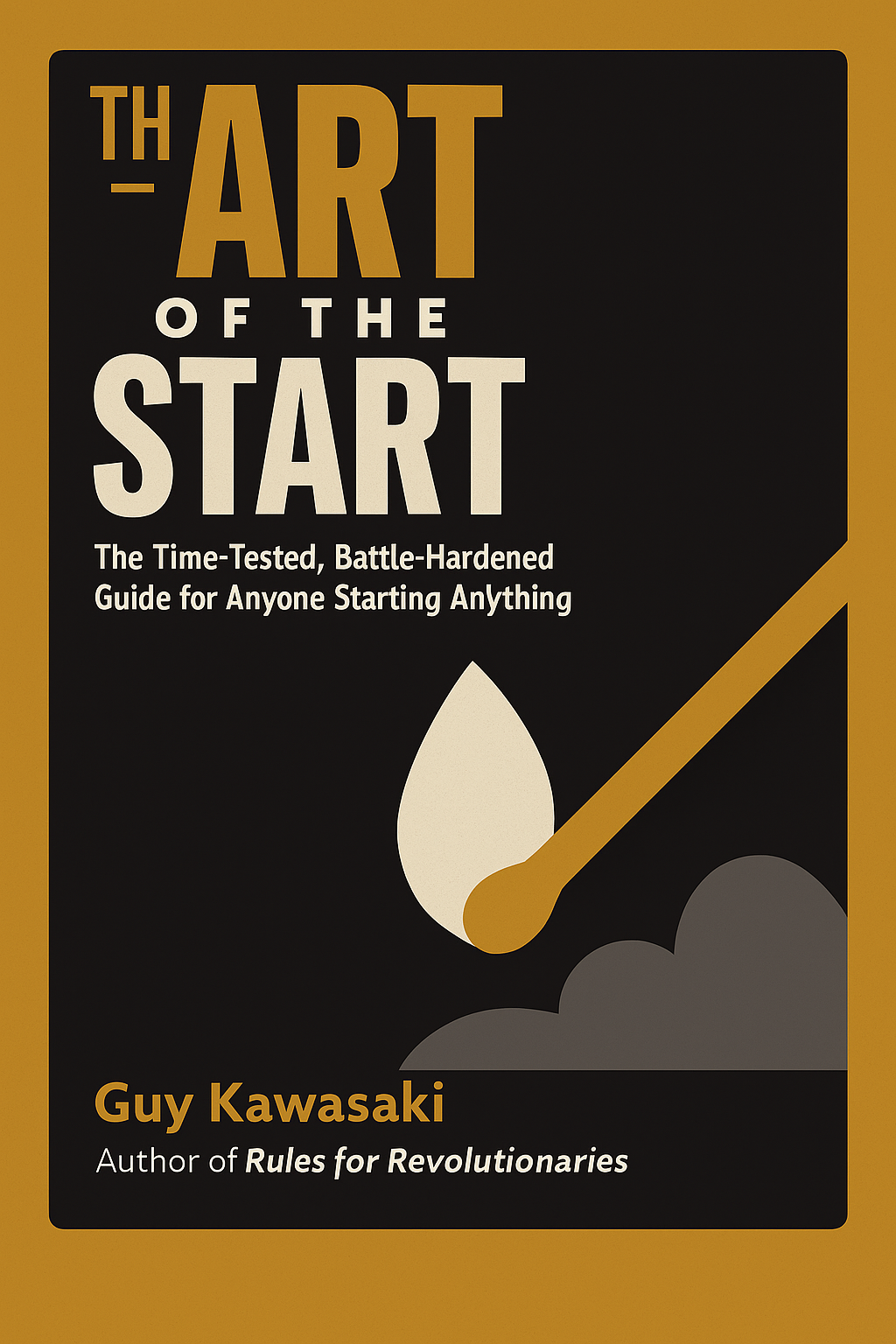
By Guy Kawasaki
