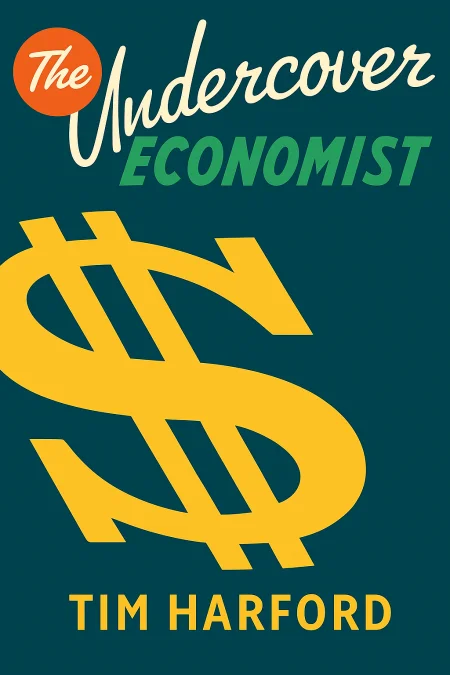
The Undercover Economist
The economics behind everyday decisions
Book Edition Details
Summary
In "The Undercover Economist," Tim Harford lifts the veil on the seemingly mundane events of everyday life, revealing a world brimming with economic intrigue. Ever wondered why your morning coffee costs a small fortune or how traffic jams persist like clockwork? Harford's wit and insight transform these daily mysteries into enlightening tales of supply, demand, and everything in between. Through a fresh lens, he exposes the hidden forces shaping everything from global poverty gaps to the curious art of outsmarting Starbucks. Updated to tackle recent economic upheavals, this book blends storytelling with economic savvy, making complex concepts as digestible as your favorite espresso. Whether you're a curious layperson or an economics enthusiast, Harford invites you to see the world anew, as a chessboard of negotiations, strategies, and unexpected victories.
Introduction
Have you ever wondered why your morning coffee costs so much at the train station, or why certain restaurants in tourist areas serve mediocre food at premium prices? These everyday puzzles reveal fascinating economic forces at work behind the scenes. Economics isn't just about stock markets and government policies—it's about understanding the hidden patterns that shape our daily choices and experiences. This book unveils the economic detective work that explains why the rich are rich, the poor are poor, and why perfectly rational people make seemingly irrational decisions. By learning to think like an undercover economist, you'll discover how markets really work, why information can be more valuable than money, and how simple economic principles can illuminate everything from traffic jams to global poverty. You'll gain new insights into pricing strategies, market failures, and the surprising ways that economics touches every aspect of our interconnected world.
The Power of Scarcity and Economic Rents
At the heart of economics lies a simple yet powerful concept: scarcity creates value, and whoever controls scarce resources holds the keys to wealth. When you pay premium prices for coffee at a busy train station, you're not just buying caffeine—you're paying for the scarcity of convenient locations during rush hour. The coffee itself might cost pennies to produce, but the prime real estate where desperate commuters gather commands extraordinary rents from any business lucky enough to secure it. This principle, first articulated by economist David Ricardo in 1817, explains far more than expensive coffee. It reveals why some companies enjoy massive profits while others struggle to break even, why certain neighborhoods become incredibly expensive, and why some individuals accumulate vast wealth while others remain poor. The secret lies not in the inherent value of products or services, but in controlling something that others want but cannot easily obtain or replicate. Consider why internet companies like Google became so valuable, while others with similar technology failed. The answer often lies not in superior products, but in achieving scarcity through network effects, brand recognition, or first-mover advantages that competitors cannot easily duplicate. Understanding scarcity power helps us see through common misconceptions about business success and wealth creation. The implications extend far beyond individual companies. Immigration debates, professional licensing requirements, and even environmental policies all involve battles over scarcity. When we recognize these patterns, we can better understand why certain groups support or oppose particular policies, and why solutions that seem obvious often face unexpected resistance from those who benefit from existing scarcities.
Market Failures: Information Problems and Externalities
Markets work beautifully when everyone has good information and when individual choices don't significantly affect others. But real life is messier than economic textbooks suggest. Two major problems can cause markets to break down or produce outcomes that leave everyone worse off: information gaps and externalities. Information problems create the classic "lemons" dilemma. When you shop for a used car, the seller knows far more about the vehicle's condition than you do. This information imbalance can destroy entire markets, as buyers become unwilling to pay good prices for products that might be defective, while sellers of quality goods find themselves unable to prove their value. The same principle explains why restaurants in tourist areas often serve terrible food, why health insurance can be prohibitively expensive for those who need it most, and why you might struggle to get a fair price for your excellent used car. Externalities occur when your actions affect others in ways that don't show up in market prices. Traffic congestion provides a perfect example: each driver considers only their own travel time and fuel costs when deciding to drive, not the delays they impose on thousands of other commuters. Similarly, pollution, noise, and even positive effects like education and scientific research all involve externalities that markets handle poorly on their own. These market failures don't mean markets are useless—quite the opposite. Understanding when and why markets fail helps us design better solutions. Instead of abandoning market mechanisms, we can often fix the problems by improving information flow, adjusting incentives, or creating new institutions that internalize externalities. The goal isn't to eliminate markets, but to make them work better for everyone.
Globalization, Trade, and Economic Development
The story of global trade is ultimately a story about how specialization and exchange can make everyone better off, even when it seems like some countries or workers have all the advantages. The principle of comparative advantage, developed by David Ricardo, shows why even the most efficient economy benefits from trading with less efficient partners, and why trade restrictions typically hurt both sides. Consider how globalization has transformed manufacturing. When American companies move production to countries with lower wages, critics often claim this destroys domestic jobs and exploits foreign workers. But the reality is more nuanced. Countries like South Korea and Taiwan used their initial cost advantages in labor-intensive industries as stepping stones to develop more sophisticated capabilities. Over time, wages and working conditions improved as these economies developed and workers gained better alternatives. The path from poverty to prosperity requires more than just trade, however. Countries need functioning institutions, reasonable governance, and the rule of law to translate global opportunities into widespread development. China's remarkable transformation since 1978 demonstrates how market reforms, combined with openness to trade and foreign investment, can lift hundreds of millions out of poverty within a single generation. Yet globalization also creates disruption and inequality that cannot be ignored. While trade typically benefits countries as a whole, it can harm specific industries and communities. The challenge for policymakers is not to halt globalization, but to help those negatively affected while preserving the enormous benefits that trade brings to consumers and society overall. Understanding these trade-offs is essential for navigating an increasingly interconnected world.
Summary
The hidden economic forces shaping our daily lives operate according to discoverable principles that reveal why markets sometimes work brilliantly and sometimes fail spectacularly. By learning to recognize patterns of scarcity, information, and incentives, we can better understand everything from local pricing strategies to global development challenges. The key insight is that economics isn't just about money—it's about how people respond to the constraints and opportunities they face, and how those responses create the complex, interconnected systems we navigate every day. How might these economic principles help us design better policies for addressing climate change, technological disruption, or rising inequality? For readers interested in applying economic thinking to contemporary challenges, this analytical framework provides powerful tools for cutting through rhetoric and understanding the underlying forces that drive human behavior in markets and societies.
Related Books
Download PDF & EPUB
To save this Black List summary for later, download the free PDF and EPUB. You can print it out, or read offline at your convenience.
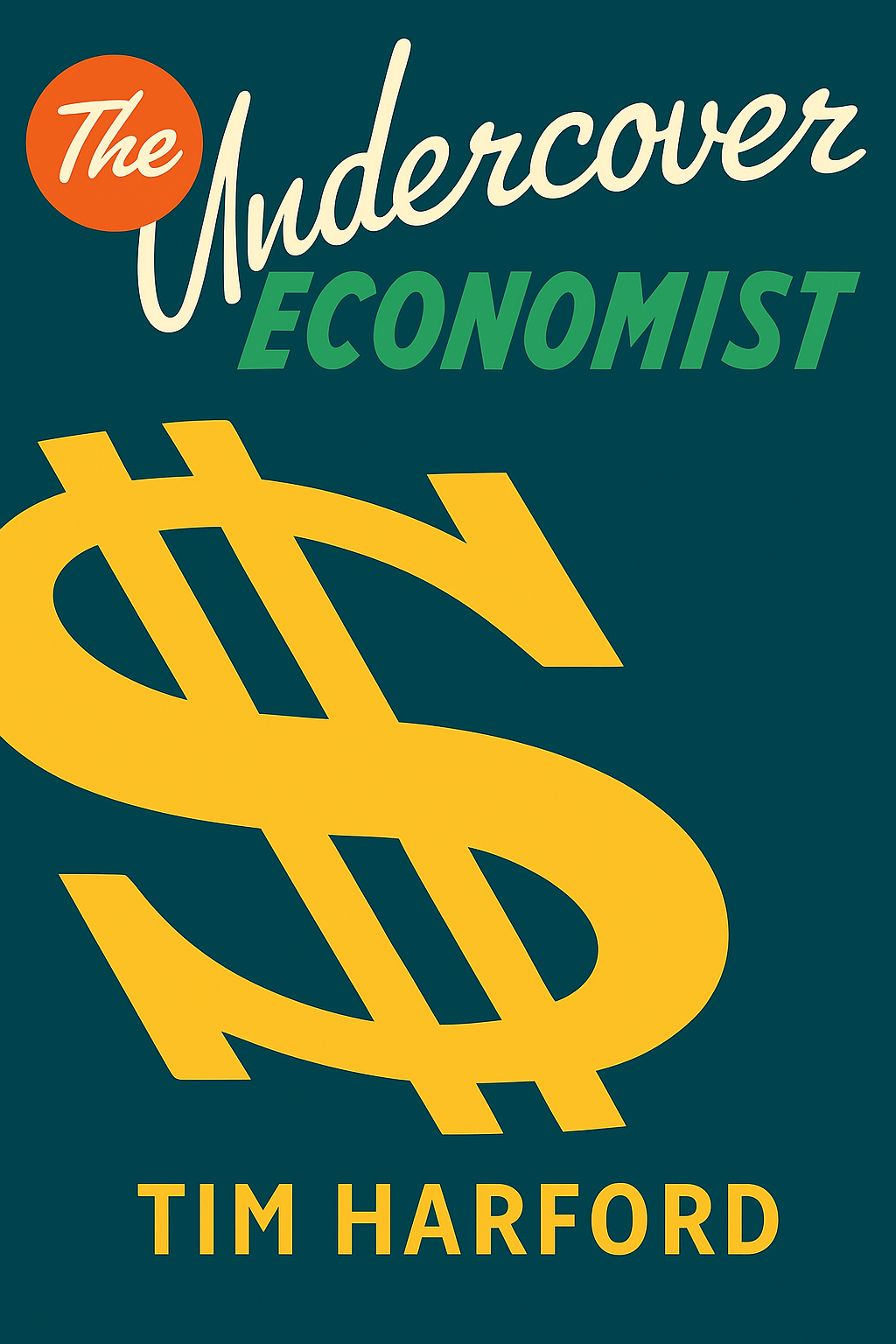
By Tim Harford
