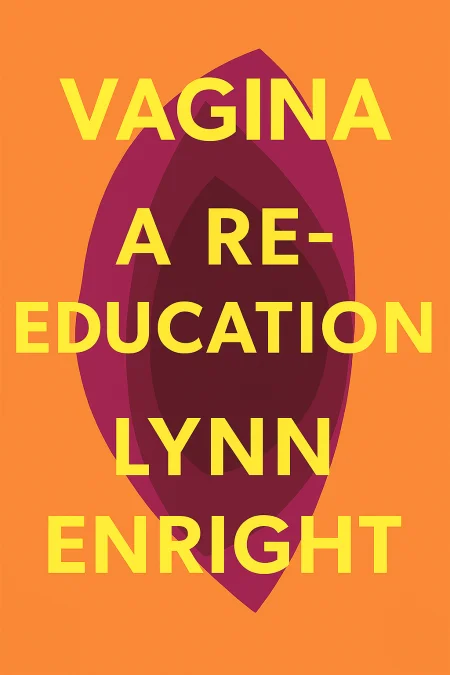
Vagina
A Re-education
Book Edition Details
Summary
Veiled in mystery and shrouded by centuries of myth, the vagina emerges as the protagonist in Lynn Enright's daring narrative, "Vagina: A Re-Education." This book is a clarion call to reclaim knowledge and power, transcending the shadows of ignorance cast by history. Enright, an acclaimed journalist, deftly navigates the labyrinth of misconceptions and societal taboos to illuminate the truths about fertility, hormones, and sexuality. As women globally amplify discussions on consent and autonomy, this book stands as an indispensable beacon in the ongoing dialogue. With an incisive look at the cultural, biological, and political dimensions of women's sexual health, Enright dismantles enduring myths and reveals the oft-ignored realities of female anatomy. "Vagina: A Re-Education" invites readers to a transformative understanding, where enlightenment replaces silence, and empowerment takes root.
Introduction
Female anatomy remains shrouded in ignorance and shame despite decades of feminist progress. The most basic facts about women's bodies are systematically distorted, hidden, or simply absent from mainstream education and discourse. This systematic ignorance serves powerful interests that benefit from women's disconnection from their own bodily autonomy and sexual agency. The consequences ripple through every aspect of women's lives, from healthcare experiences marked by dismissed pain to sexual relationships constrained by myth and misinformation. The silence surrounding female anatomy is not accidental but engineered. Medical textbooks have literally erased the clitoris, sex education programs skip crucial anatomical details, and cultural taboos transform natural bodily functions into sources of shame. Women grow up unable to identify their own anatomy, accept substandard medical care, and navigate sexuality without essential knowledge. This educational failure represents a profound betrayal of half the population. Through rigorous examination of medical history, cultural analysis, and contemporary research, a clear pattern emerges of how patriarchal systems maintain control through enforced ignorance. The path forward requires dismantling these knowledge barriers through comprehensive re-education that treats women's bodies with the scientific rigor and cultural respect they deserve.
The Case for Comprehensive Sexual Education Reform
Current sex education fails catastrophically at its most fundamental task: providing accurate information about human anatomy and physiology. Even in supposedly progressive educational systems, children receive incomplete or distorted information about female anatomy. Teachers regularly skip the clitoris when teaching about reproductive organs, medical diagrams misrepresent normal anatomical variation, and the emphasis remains obsessively focused on male orgasm and pregnancy prevention rather than comprehensive sexual health. This educational deficit has measurable consequences. Studies reveal that significant percentages of women cannot correctly identify their own anatomy on medical diagrams. The vulva, despite being an external organ, remains less familiar to many women than internal organs like the pancreas. This ignorance directly impacts healthcare decisions, sexual satisfaction, and personal autonomy. When women cannot name their own body parts, they struggle to articulate symptoms to healthcare providers and miss opportunities for early detection of serious conditions. International comparisons reveal alternative approaches that produce dramatically better outcomes. Dutch sex education, which begins in early childhood and emphasizes pleasure alongside safety, correlates with lower teen pregnancy rates, later sexual debut, and significantly higher rates of sexual satisfaction among young women. The contrast exposes how deeply political sex education truly is. Reform requires abandoning euphemisms, including comprehensive anatomical education, and centering female pleasure and agency rather than treating women's bodies as passive receptacles. This means training teachers to say words like "clitoris" and "vulva" without embarrassment, updating medical diagrams to reflect anatomical diversity, and recognizing that knowledge, not ignorance, protects young people from harm.
Debunking Medical Myths and Anatomical Misconceptions
Medical science has systematically failed women through centuries of biased research, inadequate study, and the perpetuation of dangerous myths. The most glaring example involves the clitoris, which was removed entirely from Gray's Anatomy textbook in 1947 and only properly mapped in 1998. This organ, containing thousands of nerve endings and extending far beyond its visible portion, remained largely ignored by medical science while male anatomy received exhaustive attention. The hymen provides another stark example of how mythology masquerades as medical fact. Despite clear evidence that hymens vary dramatically between individuals and that penetration does not "break" anything, harmful concepts of virginity and purity continue to influence medical practice and cultural attitudes. These myths have deadly consequences in cultures practicing honor violence, while also causing unnecessary anxiety and confusion for women worldwide. Contemporary medical practice continues to reflect these historical biases. Women's pain is consistently underestimated and undertreated compared to men's, with female patients more likely to receive sedatives rather than pain medication. Conditions affecting millions of women, such as endometriosis and vulvodynia, remain drastically under-researched despite causing debilitating symptoms. The average diagnosis time for endometriosis exceeds seven years, during which women suffer in silence or receive dismissive responses from healthcare providers. Correcting these systemic failures requires acknowledging that most medical knowledge derives from male-centered research, actively working to close research gaps in women's health, and training healthcare providers to take women's symptoms seriously. Medical education must incorporate accurate anatomical information and challenge the cultural biases that continue to shape clinical practice.
Exposing Cultural Taboos and Their Harmful Consequences
Cultural taboos surrounding female anatomy serve as powerful tools of oppression that transcend simple modesty or privacy concerns. These taboos systematically deny women access to essential information about their own bodies while normalizing male sexuality and anatomy. The asymmetry is stark: while male genitalia appear routinely in art, graffiti, and casual conversation, female anatomy remains hidden, unnamed, and associated with shame. Period shame represents perhaps the most pervasive example of how cultural taboos damage women's lives. Despite menstruation affecting roughly half the global population monthly, it remains shrouded in euphemisms and treated as shameful or dirty. This shame has concrete consequences: girls miss school, women avoid seeking medical care, and period poverty affects millions who cannot afford basic sanitary products. Some cultures enforce dangerous practices like menstrual exile, where women face violence and death due to period-related taboos. These taboos extend to every aspect of female sexuality and reproductive health. Women feel embarrassed to seek treatment for common conditions like bacterial vaginosis or vulvodynia. They accept painful medical procedures without adequate pain management because suffering is seen as inherent to female experience. They fake orgasms rather than communicate their needs because female pleasure remains uncomfortable territory for many cultures. The taboos are not natural or inevitable but serve specific political functions. They keep women disconnected from their bodies, dependent on male-dominated medical establishments, and unable to advocate effectively for their own health and pleasure. Breaking these taboos requires courage from individuals but also systematic cultural change that normalizes frank discussion of female anatomy and challenges the shame-based narratives that have dominated for centuries.
Toward Informed Agency and Body Autonomy
True bodily autonomy requires comprehensive knowledge as its foundation. Women cannot make informed decisions about their healthcare, sexuality, or reproductive lives without accurate information about their own anatomy and physiology. This extends beyond basic biological facts to include understanding of normal variations, common conditions, available treatments, and the right to respectful, evidence-based medical care. The cosmetic surgery industry exemplifies how ignorance enables exploitation. Labiaplasty rates soar among teenagers who have never seen realistic depictions of anatomical diversity, believing their normal anatomy requires surgical correction. Similarly, the feminine hygiene industry profits from manufactured shame, selling unnecessary and potentially harmful products to women convinced their natural bodies are somehow defective or dirty. Education alone cannot solve systemic problems of misogyny and medical bias, but it provides essential tools for resistance. When women understand their anatomy, they can better advocate with healthcare providers, recognize warning signs of serious conditions, and resist cultural narratives that shame their natural functions. This knowledge enables them to make informed decisions about everything from contraception to pain management to surgical procedures. The path forward requires multiple interventions: comprehensive sex education that treats female anatomy with the same detail and respect given to male anatomy, medical training that addresses historical biases and takes women's symptoms seriously, and cultural shifts that normalize discussion of female bodies without shame or exploitation. Women deserve nothing less than complete, accurate information about their own bodies and the autonomy to make informed decisions based on that knowledge.
Summary
The systematic denial of accurate information about female anatomy represents a fundamental violation of women's rights to health, autonomy, and dignity. This ignorance is neither accidental nor inevitable but serves specific interests that benefit from women's disconnection from their own bodies and sexual agency. Through rigorous re-education that challenges medical biases, cultural taboos, and educational failures, women can reclaim essential knowledge about their own anatomy and use that knowledge as a foundation for broader liberation. The stakes could not be higher: in a world where women's pain is routinely dismissed, their pleasure ignored, and their anatomical diversity pathologized, comprehensive knowledge becomes an act of resistance and a prerequisite for justice.
Related Books
Download PDF & EPUB
To save this Black List summary for later, download the free PDF and EPUB. You can print it out, or read offline at your convenience.
By Lynn Enright
