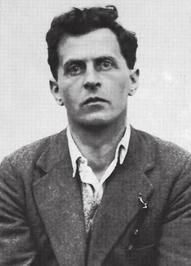
Ludwig Wittgenstein
Ludwig Josef Johann Wittgenstein, an Austrian-born philosopher who later became a significant figure in British academia, profoundly reshaped the landscape of 20th-century thought. His intellectual journey, marked by his tenure at Trinity College, Cambridge, where he earned his Ph.D. in 1929, was characterized by an intense exploration of the philosophical underpinnings of logic, mathematics, mind, and language. Wittgenstein's formidable intellect and charismatic presence left an indelible mark on his contemporaries, with Bertrand Russell famously describing him as the epitome of genius—passionate, profound, and commanding. His philosophical insights played a pivotal role in inspiring the Vienna Circle's logical positivism and the development of ordinary language philosophy at Oxford. Among Wittgenstein's most illustrious contributions to philosophy are his seminal works, "Tractatus Logico-Philosophicus" and "Philosophical Investigations." These texts, both ranked highly by professional philosophers in North America, are distinguished by their incisive examination of the relationship between language and reality. "Philosophical Investigations," in particular, stands out as a masterpiece, transcending disciplinary boundaries to engage readers from diverse philosophical backgrounds. Its exploration of meaning as a function of language use has sparked extensive debate and interpretation, cementing its status as a cornerstone of philosophical inquiry. Wittgenstein's writing, characterized by its clarity and precision, delves into the complexities of language and its role in shaping human understanding. His philosophical style, reflective of both analytical rigor and profound insight, continues to provoke thought and inspire dialogue across the humanities and social sciences. Despite varied interpretations of his work, Wittgenstein's contributions remain a testament to his enduring influence, challenging scholars to reconsider the intricacies of language and thought.


by Paul J. Zak
by Rory Vaden
by Robert C. Solomon, Fernando Flores
by Brett Gardner
by Dennis S. Reina
by Julian Baggini
by Larry Downes, Omar Abbosh, Paul Nunes
by Jacqueline Woodson
by Kevin Oakes
by Lindsey Pollak, Kimberly B. Cummings, Kimberly Brown
