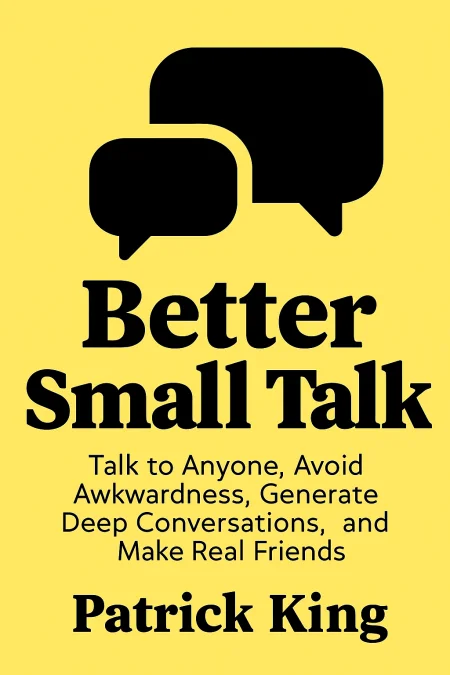
Better Small Talk
Master the Art of Deep Conversation
Book Edition Details
Summary
Whispering across the room, the art of small talk can seem like a mysterious dance, filled with unspoken rules and hidden steps. "Better Small Talk" is your backstage pass to transforming these moments from stilted exchanges into seamless symphonies of connection. Master conversational alchemy with Patrick King, whose journey from introverted silence to social savant uncovers the secrets of magnetic interactions. Learn to craft conversations that shimmer with authenticity, breaking the ice with the ease of a seasoned storyteller. No more banal banter or uncomfortable pauses—just dialogues that flow effortlessly, leaving lasting impressions. Whether with strangers or old friends, discover how to turn every encounter into an opportunity for genuine connection and camaraderie. This guide isn't just about talking; it's about truly connecting, one conversation at a time.
Introduction
Have you ever found yourself trapped in an endless loop of "How's the weather?" or "Busy day at work?" Small talk doesn't have to be the social torture chamber many of us experience. While surface-level conversations drain our energy and leave us feeling disconnected, meaningful exchanges actually boost our happiness and well-being. The difference between someone who lights up a room with engaging conversation and someone who clears it lies not in natural charisma, but in learnable skills. Every interaction presents an opportunity to move beyond pleasantries into genuine human connection. When you master the art of transforming small talk into real conversation, you don't just improve your social life—you enhance your relationships, expand your opportunities, and discover the profound satisfaction that comes from truly connecting with others.
Set the Foundation: Prepare Yourself for Meaningful Conversations
Great conversations don't happen by accident—they begin before you even meet someone. Just as athletes warm up before competing, skilled conversationalists prepare themselves mentally and physically for social interactions. This preparation transforms you from someone who dreads small talk into someone who thrives in it. The foundation starts with changing your mindset about strangers. Research by Epley and Schroeder revealed something remarkable: while commuters predicted they'd feel better keeping to themselves, those who actually engaged with strangers during their journey reported significantly more positive experiences than those who remained isolated. Similarly, coffee buyers who smiled and chatted briefly with baristas felt happier than those who rushed through transactions efficiently. These "ten-second relationships" serve as social warm-ups, building your confidence and comfort with initiating interactions. Physical preparation matters just as much as mental readiness. Reading aloud before social events—not just silently, but with the exaggerated expressiveness of someone reading to grade-school children—awakens your vocal muscles and emotional range. When you practice varying your tone, pace, and energy level, you discover how much more engaging you become. The contrast between your first reading and your third reading of the same passage reveals exactly how you typically come across to others. Create your personal conversation résumé by cataloging interesting aspects of your life, unique experiences, and current events you can discuss. This isn't about bragging—it's about having readily accessible topics that prevent those dreaded moments when your mind goes blank. Organize your thoughts around daily life updates, personal interests, notable experiences, and current events. When someone asks about your weekend, instead of saying "Nothing much," you'll have compelling mini-stories ready to share. Remember that conversation happens in stages: small talk leads to fact disclosure, then opinion sharing, and finally emotional connection. Each stage builds trust and rapport, creating the foundation for deeper relationships. By preparing yourself properly, you ensure that you're ready to guide interactions through these natural progressions with confidence and ease.
Break the Ice: Create Connection from the First Moment
The tone you set in the first moments of an interaction determines everything that follows. Most people treat strangers like strangers, maintaining polite distance and formal boundaries. This approach virtually guarantees that strangers they will remain. The secret lies in making a subtle but powerful mental shift: treating new acquaintances like friends from the very beginning. Patrick King discovered this principle through an unlikely teacher—an eight-year-old at a barbecue who asked probing questions without filters or social inhibitions. The child's genuine curiosity and lack of pretense created an immediate sense of comfort and openness. Adults can achieve this same effect by dropping excessive formality, sharing authentic reactions, and asking questions born from genuine interest rather than social obligation. When you speak like friends—with warmth, humor, and natural emotion—people instinctively respond in kind. Breaking the ice becomes effortless when you provide yourself with legitimate reasons to approach someone. Instead of walking up cold, ask for objective information, comment on your shared environment, or reference something you have in common. These indirect approaches feel natural because they give you plausible reasons to initiate conversation. You might ask about the start time of an event, comment on the beautiful lighting in a room, or inquire how someone knows the host. The real magic happens when you actively seek and create similarities. Research consistently shows that we connect most easily with people we perceive as similar to ourselves. Rather than hoping for coincidental common ground, dig deeper into people's responses, share more detailed information about yourself, and even mirror their body language and speaking patterns. When someone mentions skiing, don't just acknowledge it—explore why they love it, what memories it evokes, and how it makes them feel. Often, the deeper similarity lies not in the activity itself but in the emotions and relationships surrounding it. Even when faced with reluctant conversationalists, you can manufacture connection through elicitation techniques. Make statements that naturally compel responses: offer recognition that invites elaboration, share complaints that invite commiseration, make slightly incorrect assumptions that beg correction, or act naïve about topics where they can enlighten you. These approaches work because they tap into fundamental human desires to be appreciated, to be right, and to share knowledge.
Go Deeper: Transform Small Talk into Real Relationships
Moving beyond surface-level chatter requires specific skills that make others feel truly heard and valued. The transition from small talk to meaningful conversation happens when people sense genuine interest in who they are as individuals, not just what they do or where they're from. The most immediate way to create this feeling is through thoughtful compliments. Rather than commenting on obvious physical features, focus on choices people have made—their distinctive style, thoughtful opinions, or interesting perspectives. When you compliment someone's vintage jacket rather than their eye color, you validate their taste and decision-making. You're essentially saying, "I notice and appreciate the thought you put into representing yourself." This type of recognition resonates deeply because it acknowledges their identity and values. True listening transforms relationships more powerfully than any conversational technique. Most people wait for their turn to speak rather than genuinely absorbing what others share. The difference becomes obvious when you practice the two-second rule: after someone finishes speaking, pause for two full seconds while contemplating their words before responding. This simple practice prevents interruptions, demonstrates respect, and allows you to respond directly to what was actually said rather than what you were planning to say next. Use encouraging phrases like "Tell me more" and "What happened next?" to show you're genuinely invested in their story. The art of asking better questions elevates conversations from information exchange to genuine exploration. Instead of asking "How was your weekend?" try "What was the best part of your weekend? Tell me how that made you feel." This approach invites stories rather than simple answers. Open-ended questions that explore reasoning, emotions, and personal insights create space for vulnerability and connection. Follow up on interesting details, get comfortable with moments of silence that allow people to think more deeply, and encourage self-discovery by asking what they learned from their experiences. Sometimes the most profound conversations emerge from discussing "third things"—external topics that reveal how someone thinks without putting them on the spot. Instead of directly asking about their values, discuss current events, shared observations, or hypothetical scenarios. Their reactions and opinions provide glimpses into their worldview without the awkwardness of personal interrogation. This approach creates the safety people need to gradually reveal more about themselves while maintaining natural conversational flow.
Summary
Transforming small talk into genuine connection isn't about becoming someone you're not—it's about becoming the most engaging version of yourself. As Dale Carnegie wisely observed, "You can make more friends in two months by becoming interested in other people than you can in two years by trying to get other people interested in you." This fundamental truth underlies every technique in meaningful conversation: genuine curiosity about others creates the foundation for all lasting relationships. The path from awkward pleasantries to enriching dialogue requires preparation, practice, and a willingness to be genuinely interested in the people you meet. When you warm up before social interactions, set a friendly tone from the first moment, actively listen with your full attention, and ask questions that invite real sharing, you create space for the kind of connections that research shows actually improve our well-being and happiness. Start today by choosing one person in your life and making your next conversation entirely about them—ask deeper questions, listen without planning your response, and watch how this simple shift transforms both your interaction and your relationship.
Related Books
Download PDF & EPUB
To save this Black List summary for later, download the free PDF and EPUB. You can print it out, or read offline at your convenience.
By Patrick King
