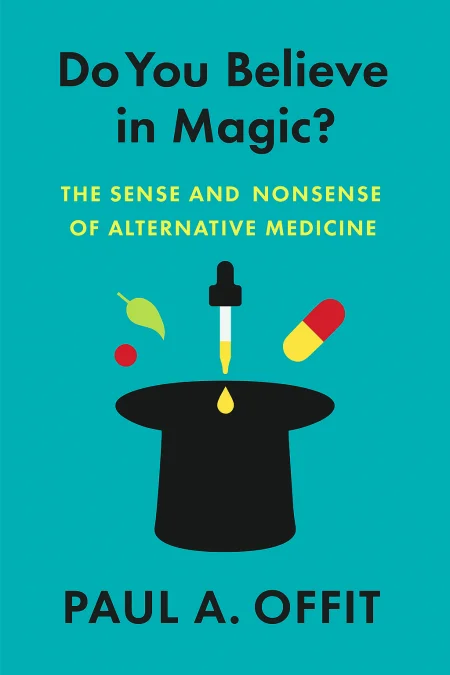
Do You Believe in Magic?
Vitamins, Supplements, and All Things Natural: A Look Behind the Curtain
Book Edition Details
Summary
Magic or myth? In "Do You Believe in Magic?" Paul A. Offit peels back the glossy veneer of alternative medicine, exposing its intricate web of allure and illusion. Through meticulous research and vivid case studies, Offit challenges the very essence of what we consider 'natural' remedies, revealing their often overlooked and sometimes harmful consequences. This book invites skeptics and believers alike to navigate the blurred lines between healing and harm, truth and tradition. Prepare to question long-held beliefs and confront the discomforting realities that lie beneath the promise of alternative therapies. Can we trust the magic, or is it time to reconsider the spell we've fallen under?
Introduction
The modern healthcare landscape presents a striking paradox: while conventional medicine has achieved unprecedented success in treating disease and extending human life, millions of people continue to embrace alternative therapies that lack rigorous scientific validation. This phenomenon reveals fundamental tensions about how we evaluate medical claims, weigh evidence, and make decisions about our health in an era of information abundance and competing authorities. The examination of alternative medicine requires systematic analysis that distinguishes between treatments with genuine therapeutic mechanisms and those that work primarily through psychological and social factors. By applying rigorous scientific methodology to popular alternative treatments, we can illuminate the difference between evidence-based healing and practices that persist despite contradictory research findings. This analytical approach reveals not only the specific merits and dangers of various treatments but also broader principles about medical decision-making, regulatory frameworks, and the nature of healing itself. The investigation follows a logical progression from understanding how alternative medicine gained cultural acceptance, through scientific evaluation of its core claims, to examining the real-world consequences of choosing unproven treatments over evidence-based interventions.
The Marketing Triumph: How Alternative Medicine Gained Mainstream Acceptance
Alternative medicine's remarkable transformation from fringe practice to mainstream acceptance represents one of the most successful marketing campaigns in modern healthcare history. The industry has masterfully positioned itself as a compassionate alternative to impersonal conventional medicine, exploiting legitimate frustrations with rushed doctor visits and pharmaceutical side effects while promising personalized care and natural healing. This positioning creates a powerful narrative where alternative practitioners appear as caring healers focused on the whole person, contrasting sharply with the perceived coldness of evidence-based medicine. The regulatory environment fundamentally shifted with legislation like the Dietary Supplement Health and Education Act of 1994, which exempted supplements and many alternative treatments from the rigorous testing required of conventional drugs. This created a two-tiered marketplace where alternative products can make therapeutic claims without demonstrating safety or efficacy, while conventional medicines must undergo years of expensive clinical trials. The result is a system where consumers encounter treatments that appear equivalent but operate under entirely different standards of evidence. Celebrity endorsements and media coverage have amplified alternative medicine's reach exponentially, with influential figures promoting treatments based on personal testimonials rather than scientific data. Television shows, bestselling books, and social media campaigns create echo chambers where anecdotal success stories carry more weight than controlled studies. This phenomenon demonstrates how modern information systems can actually impede rather than enhance evidence-based decision-making. The economic incentives driving this expansion are substantial, with the alternative medicine industry generating billions in revenue while facing minimal oversight. Practitioners can offer expensive treatments with limited training or accountability, creating market dynamics that prioritize profit over patient welfare. This financial structure explains why alternative medicine continues to flourish despite lacking supporting evidence for most of its core therapeutic claims.
Scientific Reality Check: Why Most Alternative Therapies Fail Clinical Testing
Rigorous scientific evaluation of popular alternative therapies reveals a consistent and striking pattern: treatments that generate passionate testimonials and sound theoretically plausible consistently fail when subjected to controlled clinical testing. Homeopathy exemplifies this disconnect most dramatically, as multiple high-quality studies demonstrate no effects beyond placebo despite the therapy being based on principles that directly contradict fundamental laws of chemistry and physics. The persistence of homeopathic belief despite overwhelming negative evidence illustrates how marketing and personal experience can override scientific data. Herbal supplements present a more nuanced case, as some plant-derived compounds do possess genuine therapeutic properties that have been successfully integrated into conventional medicine. However, systematic studies of popular supplements like echinacea for colds, ginkgo for memory enhancement, and glucosamine for joint pain consistently show no benefits beyond placebo effects. The supplement industry has exploited the kernel of truth about some herbal medicines to promote products with minimal quality control, inconsistent dosing, and unsubstantiated health claims. Acupuncture research provides particularly illuminating insights into how alternative therapies can appear effective while lacking genuine therapeutic mechanisms. Carefully controlled studies using sham acupuncture, where needles are placed randomly or do not actually penetrate the skin, produce identical results to traditional acupuncture. This finding suggests that any benefits derive from the therapeutic ritual and attention rather than the specific needle placement claimed by traditional acupuncture theory. The methodology of scientific testing exposes fundamental flaws in how alternative medicine approaches evidence evaluation. When researchers control for placebo effects, regression to the mean, and observer bias, most alternative therapies show no measurable therapeutic benefit. This pattern of negative results reflects the importance of rigorous testing methods in distinguishing genuine therapeutic effects from the powerful psychological and social factors that can create the illusion of medical benefit.
The Placebo Paradox: Understanding When Alternative Medicine Actually Works
The placebo effect represents one of medicine's most fascinating phenomena, demonstrating that the act of receiving treatment can produce genuine physiological changes even when the treatment contains no active therapeutic ingredients. Research has revealed that placebo responses involve real neurochemical changes, including the release of endorphins and other pain-relieving compounds, meaning patients who report feeling better after alternative treatments may indeed be experiencing measurable improvements in their symptoms. This mechanism helps explain why many alternative therapies appear to work despite lacking active ingredients or plausible biological mechanisms. The elaborate rituals, extended consultation times, and caring attention provided by alternative practitioners create ideal conditions for triggering placebo responses. Patients receive exactly the kind of personalized, unhurried care that modern healthcare often fails to provide, leading to genuine improvements in subjective symptoms like pain, anxiety, and fatigue. The ethical implications of placebo-based treatments create complex dilemmas for healthcare providers and policymakers. If certain alternative therapies can provide real symptom relief through placebo mechanisms, questions arise about whether they should be recommended despite their lack of active ingredients. This challenge becomes particularly acute when considering that placebo effects often require some degree of belief or expectation to be effective, potentially necessitating deception about the treatment's true nature. However, the placebo effect has significant limitations that alternative medicine advocates rarely acknowledge. While it can provide symptomatic relief for subjective experiences like pain and nausea, it cannot cure infections, shrink tumors, or address underlying pathological processes. Patients who rely exclusively on placebo-based treatments for serious medical conditions may delay or avoid effective interventions, sometimes with tragic consequences. The challenge lies in harnessing the beneficial aspects of placebo responses while ensuring patients receive appropriate medical care for conditions requiring specific therapeutic interventions.
From Harmless Hope to Dangerous Quackery: The Real Costs of Medical Pseudoscience
The distinction between relatively harmless alternative practices and dangerous quackery lies not in the treatments themselves but in how they are promoted and applied. Alternative medicine crosses into quackery when practitioners discourage patients from seeking conventional treatment for serious conditions, make grandiose claims about curing diseases, charge exorbitant fees for unproven treatments, or promote therapies that carry significant risks without adequate warnings. Documented cases of harm illustrate the real-world consequences of choosing unproven treatments over evidence-based interventions. Parents have chosen prayer over insulin for diabetic children, cancer patients have abandoned chemotherapy for coffee enemas, and adults have died from inappropriate chelation therapy. These tragedies often involve charismatic practitioners who exploit patients' desperation and distrust of mainstream medicine, offering false hope while discouraging treatments that could save lives. The financial exploitation inherent in much alternative medicine practice represents another significant form of harm, particularly when targeting vulnerable populations facing serious illnesses. Practitioners may charge thousands of dollars for treatments they know to be ineffective, draining patients' resources while providing no genuine therapeutic benefit. This economic harm often compounds medical harm, as patients exhaust their savings on useless treatments and can no longer afford conventional care. Perhaps most insidiously, the promotion of magical thinking and scientific denialism by alternative medicine advocates undermines broader public health efforts and scientific literacy. When respected figures promote the idea that natural substances are inherently safer than synthetic ones, or that ancient wisdom trumps modern research, they erode the critical thinking skills necessary for navigating complex health decisions. This intellectual harm extends beyond individual treatment choices to affect how society approaches challenges ranging from vaccination programs to pandemic response, making the stakes of this debate much higher than personal health preferences alone.
Summary
The fundamental insight emerging from this systematic analysis reveals that effective healthcare requires distinguishing between treatments that work through specific therapeutic mechanisms and those that provide benefits primarily through psychological and social factors. While the placebo effect represents a genuine and valuable aspect of healing, conflating placebo responses with specific therapeutic efficacy leads to poor decision-making and potential harm. The alternative medicine industry has successfully exploited this confusion, marketing hope and personal attention while making therapeutic claims unsupported by rigorous evidence. This examination demonstrates the critical importance of maintaining scientific standards in evaluating medical treatments, not to dismiss the human elements of healing, but to ensure that patients receive both compassionate care and effective interventions when their health and lives depend on making evidence-based choices rather than following wishful thinking.
Related Books
Download PDF & EPUB
To save this Black List summary for later, download the free PDF and EPUB. You can print it out, or read offline at your convenience.
By Paul A. Offit
