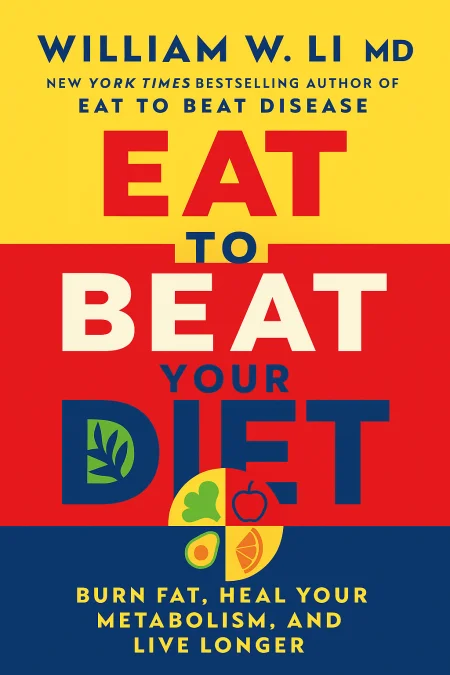
Eat to Beat Your Diet
Burn Fat, Heal Your Metabolism, and Live Longer
Book Edition Details
Summary
Could the secret to a vibrant life lie in your next meal? Dr. William Li, the visionary mind behind "Eat to Beat Disease," returns with a radical take on weight loss that defies conventional wisdom. "Eat to Beat Your Diet" reveals that shedding pounds isn’t about deprivation but harnessing the power of foods you love. From the tangy burst of blueberries to the rich indulgence of dark chocolate, Li illuminates how these culinary delights activate your body’s defenses, combating illness and nurturing longevity. Unravel the mysteries of metabolism, discover the surprising virtues of body fat, and embrace a dietary revolution that promises not only a slimmer waistline but a revitalized life. With a feast of recipes and practical guides, this book is your passport to a healthier, happier you.
Introduction
Have you ever wondered why some people seem to effortlessly maintain their weight while others struggle despite following the same diet plans? The answer might surprise you: it's not about willpower or genetics alone, but about understanding how specific foods can literally reprogram your body's fat-burning machinery. For decades, we've been told that weight loss is simply a matter of calories in versus calories out, but groundbreaking research reveals a far more fascinating truth. Certain foods contain powerful compounds that can activate your body's natural fat-fighting systems, transform harmful white fat into beneficial brown fat, and even communicate with your brain to reduce cravings. This isn't about restriction or deprivation, but about harnessing the hidden medicinal properties of everyday foods. You'll discover how ancient culinary traditions from the Mediterranean and Asia have unknowingly incorporated these metabolic powerhouses for centuries, and how modern science is finally catching up to explain why a tomato before lunch or a cup of green tea can do more for your waistline than hours on a treadmill. Most remarkably, you'll learn that the foods that fight fat are often the same ones that protect against cancer, heart disease, and other chronic conditions, offering a unified approach to health that goes far beyond the bathroom scale.
Understanding Metabolism and Body Fat Defense Systems
Your body operates like a sophisticated biological factory with multiple defense systems working around the clock to maintain optimal health. Think of your metabolism not as a simple calorie-burning furnace, but as a master conductor orchestrating a symphony of cellular processes. This complex system involves five interconnected health defense networks: angiogenesis, which controls blood vessel formation; regeneration, which repairs and renews cells; your microbiome, the ecosystem of beneficial bacteria in your gut; DNA protection mechanisms that maintain genetic integrity; and your immune system that fights off disease. The most surprising discovery is that not all fat is created equal. Your body contains different types of fat tissue, each with distinct functions. White fat serves as energy storage but becomes problematic when it accumulates excessively, especially around your organs. Brown fat, however, acts like a metabolic furnace, burning calories to generate heat and maintain body temperature. What's truly revolutionary is that certain foods contain bioactive compounds that can actually convert harmful white fat into beneficial brown fat, essentially reprogramming your body's energy management system. Contrary to popular belief, we're not born with permanently fast or slow metabolisms. Research reveals that human metabolism follows a predictable pattern: it's elevated in infancy, declines until age twenty, remains remarkably stable from twenty to sixty, and only begins to slow after age sixty. This means that middle-age weight gain isn't due to a slowing metabolism, but rather to excess fat interfering with metabolic efficiency. It's not a slow metabolism that makes you fat; it's excess fat that slows your metabolism. The key insight is that specific foods can simultaneously activate multiple defense systems while triggering fat-fighting mechanisms. When these systems function harmoniously, they create an environment where healthy metabolism can thrive. Understanding this interconnected approach transforms how we think about food from mere fuel to powerful medicine that can reshape our metabolic destiny and protect against chronic disease.
Fat-Fighting Foods: From Produce to Seafood
The produce section of your grocery store contains a treasure trove of metabolically active compounds that can transform your body's fat-fighting capabilities. These aren't exotic superfoods or expensive supplements, but common ingredients hiding remarkable medicinal powers. Take blueberries, which contain anthocyanins that not only give them their deep blue color but also activate genes responsible for fat burning and reduce inflammation in fat tissue. Apples contain ursolic acid in their peels, a compound that increases muscle mass while simultaneously reducing fat accumulation. Vegetables like broccoli and other cruciferous plants contain sulforaphanes, powerful compounds that can literally reprogram your fat cells. When you consume these vegetables, the sulforaphanes trigger cellular events that increase thermogenesis, the process by which your body burns calories to produce heat. Garlic and onions contribute allicin and quercetin respectively, compounds that activate brown fat and improve insulin sensitivity. Even simple tomatoes contain lycopene, which concentrates in abdominal fat tissue where it can exert its fat-fighting effects most efficiently. The seafood counter offers another category of metabolic powerhouses through omega-3 fatty acids, particularly EPA and DHA found in fish and shellfish. These marine fats don't just provide essential nutrition; they actively participate in converting white fat to brown fat and reducing inflammation within fat tissue itself. Surprisingly, you don't need to consume only fatty fish like salmon to gain these benefits. Even lean fish contain sufficient omega-3s to trigger metabolic improvements when consumed regularly. What makes these foods truly remarkable is their ability to work synergistically. When combined in meal patterns similar to those found in Mediterranean and Asian cuisines, they create a comprehensive approach to metabolic health that goes far beyond individual nutrients. The key is understanding that these foods contain concentrated doses of bioactive compounds that have been scientifically proven to enhance metabolism, making them powerful allies in achieving optimal body composition while simultaneously protecting against chronic diseases.
The MediterAsian Protocol: Intermittent Fasting and Meal Planning
The most sustainable approach to metabolic optimization combines the best elements of Mediterranean and Asian eating patterns with the science of intermittent fasting. This fusion isn't coincidental but reflects thousands of years of culinary wisdom that modern science is finally beginning to understand. Both cultures naturally incorporate periods of fasting into their eating patterns, often without realizing the metabolic benefits, creating natural eating windows that allow the body's fat-burning mechanisms to function optimally. When you're not eating, your insulin levels drop, which signals your body to access stored fat for energy through a process called lipolysis. During these fasting periods, your cells activate autophagy, a cellular cleanup process that removes damaged components and promotes regeneration. Your gut microbiome resets itself, DNA repair mechanisms become more active, and your immune system gets a chance to recalibrate. These processes all contribute to improved metabolic function and enhanced fat-burning capacity. The MediterAsian approach emphasizes fresh, seasonal ingredients prepared simply to preserve their natural bioactive compounds. It includes the olive oil and tomatoes of the Mediterranean, rich in fat-fighting polyphenols, alongside the green tea and fermented foods of Asia, which support beneficial gut bacteria and activate brown fat. This isn't about following rigid rules or measuring portions, but about understanding principles that make certain foods particularly powerful for health and metabolism. The practical implementation involves creating consistent eating windows, typically ranging from eight to twelve hours, while avoiding snacking during fasting periods. This might mean waiting an hour or two after waking before eating your first meal, or finishing dinner several hours before bedtime. The key is finding a pattern that fits your lifestyle and can be maintained long-term. When combined with fat-fighting foods and mindful eating practices, this approach creates a sustainable framework for metabolic optimization that works with your body's natural rhythms rather than against them.
Advanced Metabolism Optimization Strategies
Beyond choosing the right foods and timing meals appropriately, several additional factors play crucial roles in optimizing your metabolic efficiency. Sleep quality emerges as a critical but often overlooked component of metabolic health. Poor sleep disrupts hormones that regulate hunger and satiety, leading to increased cravings for high-calorie foods and reduced ability to burn fat efficiently. During deep sleep, your body produces growth hormone and optimizes insulin sensitivity, both essential for healthy metabolism. Physical activity doesn't just burn calories during exercise; it fundamentally reprograms your metabolism at the cellular level. Regular movement increases mitochondrial density, improves insulin sensitivity, and activates genes that promote fat oxidation. Even simple activities like walking after meals can significantly improve glucose metabolism and reduce fat storage. The key is consistency rather than intensity, as regular moderate activity creates lasting metabolic adaptations that enhance your body's ability to utilize energy efficiently. Stress management represents the often-missing piece of the metabolic puzzle. Chronic stress elevates cortisol levels, which promotes abdominal fat storage and disrupts normal appetite regulation. Stress also triggers inflammatory pathways that interfere with insulin signaling and fat burning. Incorporating stress-reduction techniques like meditation, deep breathing, or yoga can literally reprogram your body's stress response and restore healthy metabolic function. The integration of these strategies creates a comprehensive approach that addresses not just what you eat, but how you live. This holistic perspective recognizes that true metabolic optimization requires attention to sleep patterns, movement habits, stress levels, and social connections. When these elements work together harmoniously, they create an environment where your body's natural fat-fighting and health-protecting mechanisms can function at their highest capacity, leading to sustainable improvements in both weight management and overall health.
Summary
The most profound insight from this exploration of food as medicine is that your body already possesses sophisticated systems for maintaining optimal weight and health; you just need to know how to activate them through the right food choices and lifestyle patterns. Rather than viewing weight management as a battle against your biology, you can work with your body's natural fat-burning mechanisms, using specific bioactive compounds to transform harmful fat into beneficial fat, boost your metabolism, and strengthen your defenses against disease. This represents a fundamental shift from deprivation-based thinking to an abundance-based strategy that celebrates food's power to heal and optimize. As you consider implementing these insights, ask yourself: what would change in your relationship with food if you viewed every meal as an opportunity to activate your body's natural healing capabilities? How might this knowledge transform not just your health, but your entire approach to living well? This science-based understanding offers a sustainable path that honors both the pleasure of eating and the profound wisdom encoded in traditional food cultures, pointing toward a future where the kitchen truly becomes the most important room in the house for maintaining optimal health.
Related Books
Download PDF & EPUB
To save this Black List summary for later, download the free PDF and EPUB. You can print it out, or read offline at your convenience.
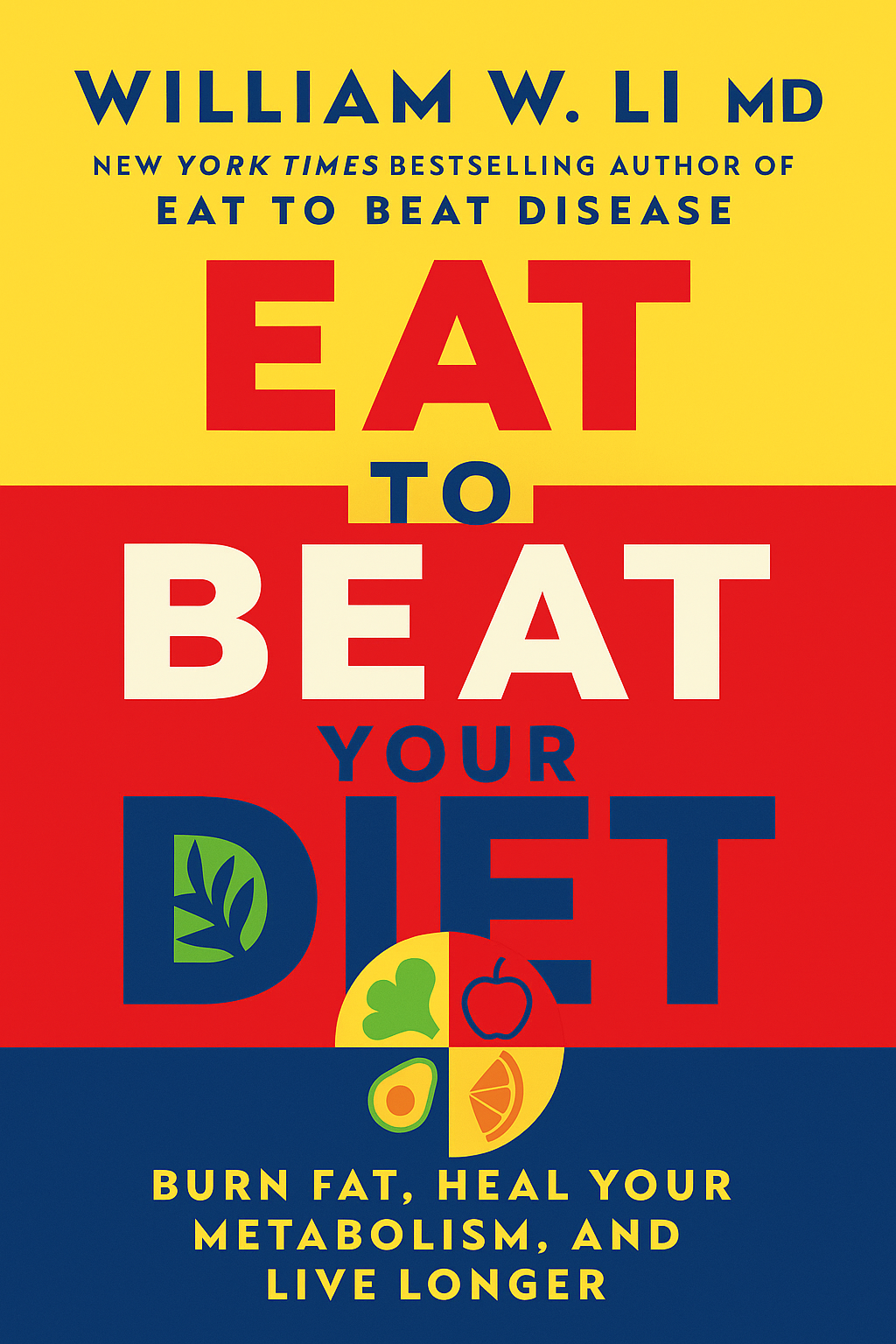
By William W. Li
