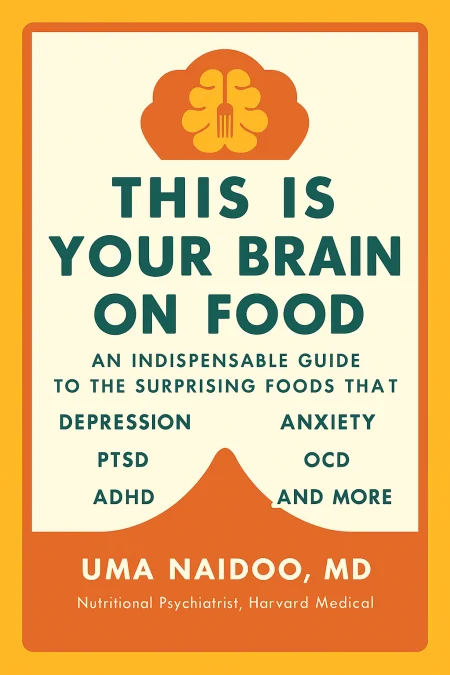
This Is Your Brain on Food
A Guide to the Foods that Fight Depression, Anxiety, and More
Book Edition Details
Summary
What if the key to unlocking a healthier mind lies not in your medicine cabinet, but on your plate? Dr. Uma Naidoo, an acclaimed psychiatrist, culinary maestro, and nutrition expert, serves up a transformative guide that blends scientific insight with practical nourishment. "This Is Your Brain on Food" dismantles the invisible link between what you eat and how you feel, revealing how everyday foods might be fueling your anxiety, depression, or even ADHD. Imagine blueberries as your allies in trauma recovery or the unsuspecting salami as a saboteur of your mental well-being. With a rich tapestry of research-backed advice, tantalizing recipes, and actionable dietary strategies, Naidoo invites you to reimagine your relationship with food. Prepare to nourish not just your body, but your mind, and embark on a journey to a healthier, happier you.
Introduction
Have you ever wondered why that slice of chocolate cake can instantly lift your spirits, or why you feel sluggish and irritable after a fast-food meal? What seems like simple comfort eating is actually your brain responding to a complex biochemical conversation happening between your digestive system and your mind. The emerging field of nutritional psychiatry reveals that our gut and brain are in constant communication through an intricate network of nerves, hormones, and immune signals, with the trillions of bacteria living in our intestines serving as active participants in this dialogue. These microscopic residents don't just help digest food—they produce many of the same neurotransmitters that regulate our mood, anxiety levels, and cognitive function. Scientists now understand that approximately ninety percent of our body's serotonin, the chemical often called our natural antidepressant, is actually manufactured in our gut rather than our brain. This revolutionary discovery means that the path to better mental health might run directly through our kitchen, with specific foods acting as powerful medicine for conditions ranging from depression and anxiety to memory problems and attention disorders. By understanding how different nutrients, food additives, and eating patterns influence our brain chemistry, we can harness the power of nutrition to support not just our physical health, but our emotional resilience and mental clarity as well.
The Microbiome-Mind Connection: Your Second Brain
Deep within your digestive system lives a bustling metropolis of microorganisms that scientists have dubbed your "second brain"—not because it can solve math problems, but because it produces many of the same chemicals your brain uses to regulate thoughts and emotions. This community of bacteria, fungi, and other microbes, collectively known as your microbiome, contains roughly the same number of cells as your entire body and weighs about as much as your brain. These microscopic residents are far from passive hitchhikers; they're active partners in your mental health, manufacturing neurotransmitters like serotonin, dopamine, and GABA that directly influence your mood, anxiety levels, and ability to handle stress. The communication highway between your gut and brain operates through multiple channels, with the vagus nerve serving as the primary information superhighway. This remarkable nerve, which connects your brainstem directly to your digestive system, carries signals in both directions at lightning speed. When beneficial bacteria in your gut produce calming GABA or mood-lifting serotonin, these chemical messages travel up the vagus nerve to influence your emotional state within minutes. Conversely, when you experience stress or anxiety, your brain sends signals down to your gut that can alter the composition of your microbiome, explaining why emotional turmoil often manifests as digestive problems. What makes this relationship even more fascinating is how dramatically your microbiome can change based on what you eat. A diet rich in fiber-containing plants feeds beneficial bacteria that produce short-chain fatty acids, compounds that reduce inflammation and support the production of mood-stabilizing neurotransmitters. In contrast, a diet high in processed foods and sugar promotes the growth of harmful bacteria that produce inflammatory compounds and disrupt the delicate chemical balance necessary for mental well-being. Research has shown that people with depression consistently have less diverse gut bacteria compared to healthy individuals, while those following traditional diets rich in fermented foods and plant fiber tend to have more resilient mental health. The implications of this gut-brain connection extend far beyond individual food choices. Scientists have discovered that transferring gut bacteria from anxious mice to calm mice can actually transfer anxiety-like behaviors, while the reverse transfer promotes relaxation. Similar patterns are emerging in human studies, where specific probiotic strains have shown promise for treating depression and anxiety. This growing understanding suggests that nurturing your microbiome through thoughtful food choices isn't just about digestive health—it's a direct investment in your emotional resilience and mental clarity.
Dietary Villains: How Western Foods Harm Mental Health
The modern Western diet, characterized by processed foods, refined sugars, and artificial additives, creates a perfect storm of brain-damaging effects that can fundamentally alter your mental health. When you consume foods high in refined sugar, your blood glucose levels spike rapidly, triggering a cascade of hormonal responses that initially provide energy but ultimately leave your brain starved and your mood crashed. These sugar rollercoasters don't just affect your energy levels—they directly interfere with the production of brain-derived neurotrophic factor, a protein that acts like fertilizer for your neurons, helping them grow, survive, and form the connections essential for learning and emotional regulation. Processed foods compound these problems through their inflammatory effects on both your gut and brain. Trans fats, commonly found in fried foods and packaged snacks, cross the blood-brain barrier and promote neuroinflammation, a condition linked to virtually every mental health disorder from depression to dementia. Meanwhile, the excessive omega-6 fatty acids prevalent in vegetable oils used in processed foods create an inflammatory imbalance that disrupts the delicate chemical environment your brain needs to function optimally. These foods also lack the fiber necessary to feed beneficial gut bacteria, leading to a less diverse microbiome and reduced production of the mood-stabilizing compounds that healthy bacteria provide. Artificial additives present another layer of mental health disruption that's often overlooked. Artificial sweeteners like aspartame can interfere with neurotransmitter production, while food dyes and preservatives have been linked to increased hyperactivity and attention problems, particularly in children. High-fructose corn syrup, ubiquitous in processed foods and beverages, bypasses normal satiety signals and has been associated with increased rates of depression and anxiety. Even seemingly innocent additives like MSG can trigger headaches and mood changes in sensitive individuals by overstimulating certain brain receptors. Perhaps most insidiously, these dietary villains create addictive patterns that make healthy choices increasingly difficult. Processed foods are specifically engineered to trigger reward pathways in the brain, creating cravings that can override rational decision-making. The combination of sugar, salt, and fat found in these foods activates the same neural circuits involved in drug addiction, explaining why people often feel powerless against junk food cravings. Breaking free from this cycle requires understanding that these foods aren't just empty calories—they're actively working against your mental health, creating biological conditions that promote anxiety, depression, and cognitive dysfunction.
Brain-Nourishing Foods: Nature's Psychiatric Medicine
Nature provides a remarkable pharmacy of foods that can act as powerful medicine for your brain, supporting neurotransmitter production, reducing inflammation, and providing the raw materials necessary for optimal mental function. Fatty fish like salmon, sardines, and mackerel stand out as perhaps the most potent brain foods available, delivering omega-3 fatty acids that serve as fundamental building blocks for brain cell membranes. These essential fats, particularly EPA and DHA, cannot be produced by your body and must come from your diet, making regular consumption crucial for mental health. Research consistently shows that people with higher omega-3 levels experience lower rates of depression, reduced anxiety, and better cognitive performance throughout their lives. Fermented foods represent another category of natural psychiatric medicine, introducing beneficial bacteria that can directly improve your mood and mental clarity. Foods like yogurt with live cultures, kefir, kimchi, sauerkraut, and miso deliver specific probiotic strains that have been shown in clinical trials to reduce symptoms of depression and anxiety. These foods work by restoring microbial balance in your gut, leading to increased production of mood-stabilizing neurotransmitters and reduced inflammation throughout your body and brain. The beauty of fermented foods lies in their dual action—they provide beneficial bacteria while also supplying the nutrients these microbes need to thrive and produce mental health-supporting compounds. Colorful fruits and vegetables offer a spectrum of brain-protective compounds called polyphenols, which can cross the blood-brain barrier and directly shield your neurons from damage. Blueberries contain anthocyanins that improve memory and cognitive function, while the curcumin in turmeric has shown remarkable antidepressant effects in clinical trials, sometimes performing as well as pharmaceutical medications. Dark chocolate, rich in flavonoids, can improve mood and cognitive performance while reducing stress hormones. Leafy greens like spinach and kale provide folate, a B-vitamin essential for neurotransmitter production and particularly important for preventing depression. Nuts, seeds, and legumes round out nature's psychiatric pharmacy by providing magnesium, zinc, and B-vitamins that support neurotransmitter synthesis and nervous system function. Pumpkin seeds are rich in zinc, which plays crucial roles in mood regulation, while walnuts provide both omega-3 fats and vitamin E for brain protection. The key to harnessing these natural medicines lies in understanding that they work synergistically—the Mediterranean diet's effectiveness comes not from any single superfood, but from the combined anti-inflammatory and neuroprotective effects of eating a variety of these brain-nourishing foods regularly. This approach provides your brain with a steady supply of the nutrients it needs to maintain optimal mental health naturally.
Targeted Nutrition: Food Strategies for Mental Disorders
Different mental health conditions respond to specific nutritional interventions, allowing for targeted dietary approaches that can complement or sometimes even replace traditional treatments. For depression, research has identified several key nutritional strategies that can significantly improve symptoms. The SMILES trial, a landmark study in nutritional psychiatry, demonstrated that people with moderate to severe depression who followed a modified Mediterranean diet rich in vegetables, fruits, whole grains, legumes, fish, and olive oil showed greater improvement than those receiving social support alone. This approach works by providing omega-3 fatty acids for neurotransmitter production, folate for mood regulation, and anti-inflammatory compounds that protect against the neuroinflammation associated with depression. Anxiety disorders benefit from foods that support the production of GABA, the brain's primary calming neurotransmitter, while avoiding substances that can trigger anxious responses. Fermented foods like yogurt and kefir provide probiotics that increase GABA production, while magnesium-rich foods like dark leafy greens, nuts, and seeds help activate GABA receptors in the brain. Interestingly, many people with anxiety also have undiagnosed gluten sensitivity, where gluten consumption triggers neurological symptoms rather than digestive ones. Eliminating gluten can lead to dramatic improvements in anxiety levels for these individuals, highlighting the importance of identifying food sensitivities that may be contributing to mental health symptoms. Attention disorders like ADHD respond particularly well to dietary interventions that stabilize blood sugar and provide steady energy to the brain. This means emphasizing protein at each meal to slow glucose absorption, choosing low-glycemic carbohydrates that don't cause energy crashes, and including foods rich in iron, zinc, and B-vitamins that support neurotransmitter production. Some individuals with ADHD also benefit from eliminating artificial food additives, colors, and preservatives, following approaches like the Feingold diet. The key insight is that attention and focus aren't just matters of willpower—they're directly influenced by blood sugar stability and the quality of nutrients reaching the brain. Memory and cognitive function can be protected and enhanced through specific dietary patterns that support neuroplasticity and protect against age-related decline. The MIND diet, which combines elements of the Mediterranean and DASH diets, has shown remarkable results in preventing cognitive decline and reducing Alzheimer's risk. This approach emphasizes berries for their memory-enhancing anthocyanins, leafy greens for their neuroprotective nutrients, and nuts for their healthy fats and vitamin E. Specific foods like turmeric, with its active compound curcumin, can cross the blood-brain barrier and directly protect brain cells while promoting the growth of new neural connections essential for learning and memory formation.
Summary
The revolutionary science of nutritional psychiatry reveals that our mental health is inextricably linked to our food choices through the sophisticated communication network between our gut microbiome and brain chemistry. This paradigm shift shows us that the trillions of bacteria living in our digestive system actively produce neurotransmitters, regulate inflammation, and influence everything from our daily mood to our long-term cognitive health through their constant biochemical dialogue with our nervous system. Rather than viewing mental health disorders as purely genetic or psychological phenomena, we now understand that simple dietary interventions—such as increasing omega-3 rich foods, supporting beneficial gut bacteria with fermented foods, eliminating inflammatory processed foods, and targeting specific nutrients for particular conditions—can be as powerful as traditional psychiatric treatments for many individuals. As we continue to unravel the complexities of this gut-brain connection, what other aspects of human consciousness and behavior might we discover are fundamentally shaped by the microscopic ecosystem living within us? How might this knowledge transform not only our personal health choices but also our broader societal approach to preventing mental illness and promoting psychological resilience across entire populations?
Related Books
Download PDF & EPUB
To save this Black List summary for later, download the free PDF and EPUB. You can print it out, or read offline at your convenience.
By Uma Naidoo
