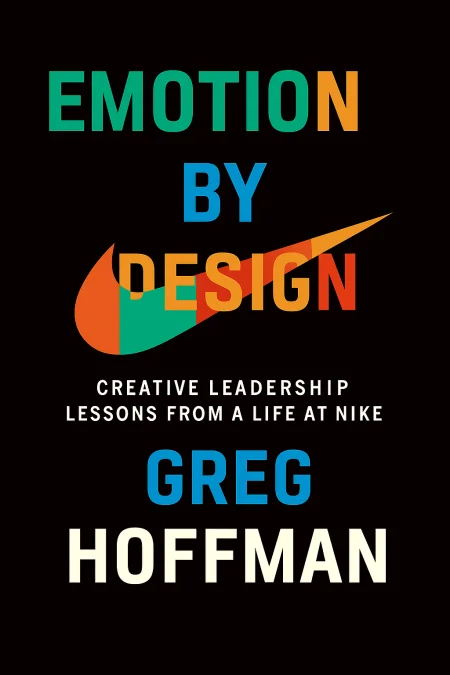
Emotion by Design
Creative Leadership Lessons from a Lifetime at Nike
Book Edition Details
Summary
Greg Hoffman, the visionary force behind Nike's iconic brand image, reveals the alchemy of creativity and human connection in "Emotion by Design." Drawing from his 27-year journey from intern to Chief Marketing Officer, Hoffman shares the secrets that transformed Nike's campaigns into cultural touchstones. This book isn't just a marketing manual; it's a vibrant manifesto that challenges brand builders to infuse their work with passion and purpose. Hoffman’s triumvirate of principles—creativity as a collaborative sport, daring to create lasting impact, and leaving a meaningful legacy—serves as a beacon for those eager to forge emotional ties with consumers. Dive into captivating narratives of Nike’s revolutionary campaigns and discover how to unleash the boundless potential within your brand.
Introduction
Picture a young designer clutching a worn notebook, standing at the edge of a corporate basketball court at 2 AM. The building is quiet, but his mind races with possibilities. He's been tasked with creating something that doesn't just sell products, but moves hearts. This is the moment when business meets art, when strategy embraces soul, and when brands discover they have the power to change lives. In our data-driven world, we've become masters of metrics but strangers to meaning. We know exactly how many clicks, views, and conversions our campaigns generate, yet we've forgotten the fundamental truth that drives all human connection: emotion. The most successful brands aren't built on algorithms alone—they're crafted through stories that resonate, experiences that inspire, and moments that transform ordinary transactions into extraordinary relationships. This journey through the intersection of creativity and commerce reveals how brands can reclaim their humanity. From the boardroom to the basketball court, from late-night brainstorming sessions to global campaigns that spark movements, we'll explore how empathy becomes strategy, how storytelling drives sales, and how taking bold creative risks leads to unprecedented rewards. The path ahead shows us that in an increasingly automated world, the brands that thrive are those brave enough to feel, dream, and connect on the deepest human level.
Building Creative Culture and Taking Bold Risks
The cargo van nicknamed "Stinky" wasn't exactly the vehicle you'd expect to find at a major sporting event. With no air conditioning, a barely functioning radio, and an odor that lived up to its name, this 1981 Ford seemed more suited for a junkyard than a marketing campaign. Yet when Jason rolled up to the Chicago White Sox spring training facility, something magical happened. Fans swarmed the vehicle as he opened its doors to reveal a carefully curated showcase of products and experiences. What started as a $10,000 budget limitation became a direct connection with thousands of consumers who would remember this authentic interaction far longer than any polished television commercial. This grassroots approach represented something revolutionary: the power of saying "What if?" when conventional wisdom said "That won't work." The constraints that seemed like obstacles—no budget, no fancy equipment, no corporate backing—actually became the creative fuel that ignited innovation. Sometimes the most profound breakthroughs emerge not despite limitations, but because of them. When you can't rely on expensive production values or celebrity endorsements, you're forced to dig deeper, to find the human truth that connects your brand to real people living real lives. The success of that humble van proved that creativity isn't about having unlimited resources; it's about unleashing unlimited imagination. The best creative teams resemble championship sports squads where diverse talents unite around a common vision. They embrace the daydreamers who ask impossible questions, amplify the quiet voices that often hold the deepest insights, and recognize that diversity isn't just morally right—it's creatively essential. When you combine different perspectives, experiences, and ways of thinking, you don't just add talent; you multiply possibilities. The magic happens when left-brain analytical thinking partners with right-brain creative vision, when the methodical perfectionist collaborates with the spontaneous innovator, and when the seasoned veteran mentors the fresh perspective of someone seeing the challenge for the first time.
Crafting Brand Identity and Memorable Stories
The black and white poster seemed almost too simple. A basketball player stood with arms outstretched, one hand palming a ball, against a stark background. No action shot, no flashy colors, no obvious athleticism on display. Yet "Wings" became one of the most iconic sports posters of all time, adorning bedroom walls across America and transcending the usual boundaries between commercial art and fine art. The secret wasn't in what the image showed, but in what it made people feel—that sense of limitless possibility, the poetry of human aspiration, the quiet moment before takeoff. This poster revealed a fundamental truth about brand identity: your visual language is never just decoration. Every design choice, every color selection, every typographic decision either reinforces or undermines your brand's deeper purpose. Like a signature, your brand identity should be so distinctive that consumers recognize your voice even when they can't see your logo. The most powerful brands understand that identity flows far beyond a single symbol—it's the consistent thread that weaves through every customer touchpoint, creating a recognizable frame for all your stories. Consider how Apple's masterful use of white space doesn't just look clean; it communicates the brand's philosophy of elegant simplicity. Think about how Target's playful use of its bullseye logo transforms ordinary retail communications into moments of unexpected delight. These brands have learned that identity isn't about following design trends—it's about expressing authentic values so clearly that customers feel an immediate emotional connection. When someone sees your brand, they should instantly understand not just what you sell, but who you are and why you exist. This visual consistency builds trust over time, creating the foundation upon which all meaningful brand relationships are built. The frame may be subtle, but it's what allows your most important stories to shine with maximum impact.
Sparking Movements and Closing Distance Through Empathy
The glass box mounted on the back of a truck was unusual enough to stop traffic, but it was the comedian inside, jogging on a treadmill while engaging with rush-hour commuters, that truly captured attention. As the truck crawled through Los Angeles traffic, Kevin Hart called out to drivers stuck in their cars: "You're in traffic doing nothing, I'm in training doing something." This wasn't just a publicity stunt—it was the physical manifestation of a movement that had already begun organically, one person at a time, as Hart had spontaneously invited runners to join him in cities across America. What made this campaign extraordinary wasn't the spectacle, but the authentic passion behind it. Hart hadn't been selected because he was a professional athlete; he was chosen because he embodied the universal struggle of someone who wanted to get fit but needed motivation to maintain the discipline. His journey from reluctant runner to fitness enthusiast mirrored the path that millions of people wished they could take. By sharing his own vulnerability and challenges, he closed the distance between celebrity and everyday person, creating a bridge of empathy that made movement feel accessible rather than intimidating. True movements aren't manufactured in boardrooms—they're born from genuine human needs and nurtured through authentic connections. The most powerful campaigns start by listening deeply to understand not just what people want, but why they want it and what obstacles stand in their way. When brands lead with empathy, when they see through their customers' eyes and feel their struggles, they discover opportunities to create not just products, but tools of empowerment. These movements thrive when they give people both the inspiration to dream and the practical means to act. They succeed because they recognize that closing the distance between aspiration and achievement requires more than clever marketing—it demands genuine care for the human experience and a commitment to helping people become the best versions of themselves.
Summary
Through boardroom brainstorms and midnight creative sessions, from humble cargo vans to global campaigns, one truth emerges: the brands that endure are those brave enough to lead with their hearts. In an age of algorithms and automation, the ultimate competitive advantage belongs to those who remember that behind every click, every purchase, every social media share lives a human being seeking connection, meaning, and hope. The most powerful lesson isn't about mastering the latest marketing technology or following the newest trend—it's about cultivating the courage to be genuinely human in your brand expression. This means embracing the messy beauty of authentic storytelling, taking creative risks that might fail but could also change everything, and never forgetting that your role extends far beyond selling products. You have the opportunity to move people, to spark movements, and to contribute to a more empathetic, connected world. Whether you're leading a global corporation or launching a startup from your kitchen table, the principles remain the same: surround yourself with diverse dreamers, tell stories that reveal deeper truths, and always remember that your greatest asset isn't your budget or your technology—it's your capacity to understand and care about the humans you serve. When you design with emotion at the center, you don't just build businesses; you build bridges between hearts, creating legacies that outlast any single campaign or quarterly report.
Related Books
Download PDF & EPUB
To save this Black List summary for later, download the free PDF and EPUB. You can print it out, or read offline at your convenience.
By Greg Hoffman
