
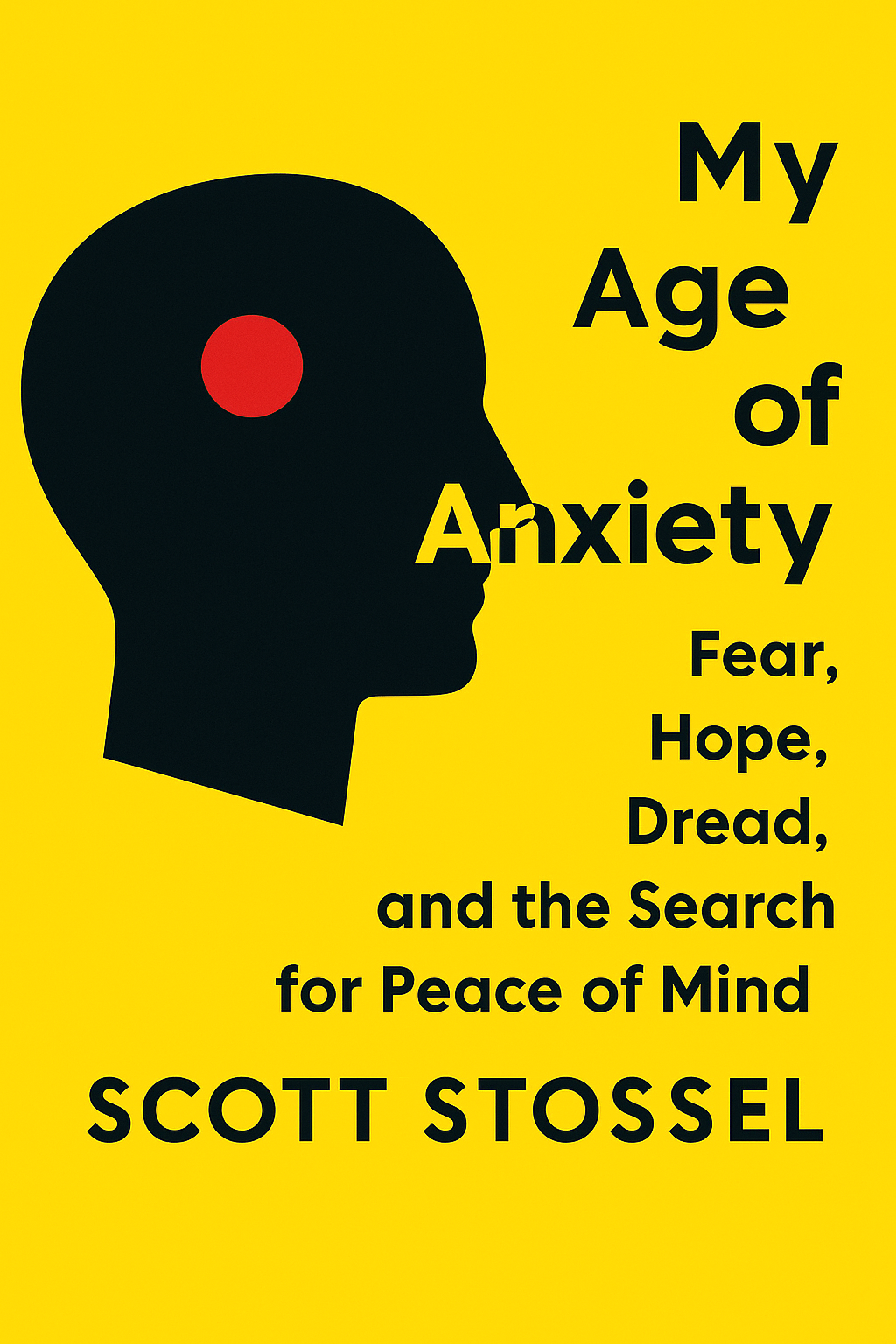
My Age of Anxiety
Fear, Hope, Dread and the Search for Peace of Mind
Book Edition Details
Summary
Scott Stossel's "My Age of Anxiety" takes readers on a remarkable journey through the labyrinthine corridors of the mind, where the shadows of anxiety loom large. With a narrative that is both profoundly personal and universally relatable, Stossel intertwines his lifelong battle with anxiety with a rich tapestry of history, science, and philosophy. From the ancient musings of Hippocrates to the groundbreaking insights of Darwin and Freud, this book unravels the enigmatic nature of anxiety, charting its evolution from obscurity to the forefront of modern mental health discourse. Through vivid storytelling, Stossel reveals not only the torment and paralysis that anxiety can inflict but also the resilience and ingenuity of those who strive to conquer it. This is an enlightening exploration of a condition that is as complex as it is common, offering readers a beacon of understanding and hope amid the fog of fear.
Introduction
In the quiet moments before dawn, when the world holds its breath between night and day, anxiety often makes its presence known most acutely. It arrives not as a dramatic thunderclap but as a persistent whisper, a tightening in the chest that transforms ordinary moments into battlegrounds of the mind. For millions of people, this invisible companion shapes their daily existence in ways both profound and perplexing, creating a landscape where fear and hope intertwine in the most intimate corners of human experience. The modern understanding of anxiety represents one of humanity's most fascinating journeys into the labyrinth of consciousness itself. What our ancestors attributed to spiritual affliction or moral weakness, we now recognize as a complex interplay of biology, psychology, and culture. Yet for all our scientific advances, anxiety remains deeply personal, stubbornly individual, and remarkably resistant to simple explanations or easy cures. Through exploring the intimate landscape of one person's struggle with this condition, we encounter universal truths about human vulnerability and resilience that extend far beyond any single diagnosis or treatment approach. This journey reveals how anxiety manifests in the body's most primitive responses, how it shapes our relationships and ambitions, and how the search for relief has driven remarkable innovations in medicine and therapy. Most importantly, it illuminates the possibility that our deepest fears might also contain the seeds of our greatest strengths, offering insights into the delicate balance between suffering and growth that defines much of human existence.
The Making of an Anxious Mind: Early Foundations and Family Legacy
The origins of anxiety often trace back to childhood, where the seeds of worry take root in soil prepared by genetics, environment, and the mysterious alchemy of temperament. In examining the early development of an anxious mind, we discover that what appears to be weakness may actually represent an exquisite sensitivity to the world's complexities. The child who cannot sleep without checking the locks three times, who feels physically ill at the thought of separation from parents, or who experiences genuine terror at social gatherings is not simply being difficult but responding to internal alarm systems calibrated to detect threats that others might miss entirely. Family histories reveal patterns that stretch across generations, suggesting that anxiety travels through bloodlines like an inherited language of fear. Yet this genetic predisposition does not doom individuals to suffering; rather, it creates a heightened awareness that can manifest as either debilitating worry or extraordinary empathy and insight. The same neural pathways that flood the system with stress hormones during a panic attack also enable the deep emotional intelligence that characterizes many anxious individuals. They become experts at reading facial expressions, detecting subtle changes in tone, and anticipating needs that others overlook. Early experiences shape how this biological tendency expresses itself in the world. A child who learns that the world is unpredictable may develop hypervigilance as a survival strategy, constantly scanning for signs of danger or disapproval. This exhausting state of alertness often continues into adulthood, creating individuals who are simultaneously highly capable and perpetually exhausted by their own vigilance. The anxious child frequently becomes the responsible adult, the one others turn to in crisis, the person who thinks of everything because they have spent a lifetime imagining everything that could go wrong. The school years often provide the first public stage for anxiety's performance, where academic pressures and social hierarchies create perfect storms for the anxious mind. Yet these same challenges can forge remarkable resilience and determination. Many anxious individuals develop exceptional preparation habits, meticulous attention to detail, and a drive for excellence that serves them well throughout their lives, even as it sometimes threatens to overwhelm them with its intensity and relentless demands for perfection.
Chemical Solutions and Medical Interventions: The Pharmaceutical Journey
The discovery that anxiety could be chemically altered marked a revolutionary moment in human history, fundamentally changing how we understand the relationship between mind and body. When researchers first observed that certain medications could calm the racing heart, quiet the churning stomach, and still the restless mind, it opened a new frontier in the treatment of human suffering that promised relief for millions who had endured their symptoms in silence or shame. The development of psychiatric medications reads like a series of happy accidents and unexpected discoveries that gradually revealed the intricate chemical ballet underlying human emotion. Scientists investigating tuberculosis treatments stumbled upon compounds that lifted mood, while researchers working on antihistamines found chemicals that calmed racing minds. These serendipitous findings showed how tiny molecules could dramatically alter our experience of reality, offering hope to those who had been told their suffering was simply a matter of willpower or character. For many individuals, medication provides the first glimpse of what life might feel like without the constant background hum of worry. The relief can be profound and life-changing, allowing people to engage with the world in ways that were previously impossible. Careers are saved, relationships flourish, and the simple pleasure of existing without fear becomes accessible again. The biological model of anxiety offers hope and removes stigma by framing the condition as a medical issue rather than a personal failing, much like diabetes or high blood pressure. However, the chemical solution brings its own complexities and contradictions. Questions arise about authenticity and identity when personality seems to shift with pharmaceutical intervention, creating new anxieties about whether medicated functioning represents true healing or merely sophisticated symptom management. The fear of dependency, the challenge of side effects, and the nagging doubt about long-term consequences create additional layers of concern. The search for the right medication becomes its own journey, filled with hope, disappointment, and the gradual recognition that no single solution works for everyone, requiring patience and persistence that can test even the most determined individuals.
Performance, Panic, and the Search for Control
The relationship between anxiety and performance reveals one of the most paradoxical aspects of human psychology, where the very desire to succeed can become the greatest obstacle to success. While moderate anxiety can enhance performance by sharpening focus and increasing motivation, excessive anxiety transforms the stage into a torture chamber where the simple act of being observed becomes unbearable. The musician whose hands shake before a concert, the student whose mind goes blank during exams, or the executive who breaks into a cold sweat before presentations all experience this cruel irony where caring deeply about outcomes can sabotage the very performance they desperately want to excel in. Performance anxiety strikes at the heart of our social nature as human beings, tapping into ancient survival mechanisms that once protected our ancestors from social ostracism and its potentially fatal consequences. In modern life, these same mechanisms can turn a simple presentation or social gathering into a perceived life-or-death situation, complete with racing heart, sweating palms, and the overwhelming urge to flee. The body responds to the threat of embarrassment with the same intensity it would reserve for physical danger, flooding the system with stress hormones designed for situations far more dire than a boardroom meeting or dinner party. The search for control becomes a central theme in the anxious person's life, leading to elaborate rituals and preparation strategies designed to manage uncertainty. Some individuals rehearse conversations dozens of times, anticipate every possible question or objection, and create detailed contingency plans for scenarios that may never occur. Others avoid situations entirely, declining opportunities and limiting their lives in service of avoiding the discomfort of unpredictability. This quest for control often becomes self-defeating, as the very efforts to manage anxiety can create more anxiety, trapping individuals in cycles of preparation and avoidance that grow more restrictive over time. Yet within this struggle lies a profound truth about human resilience and adaptability. Many individuals learn to work with their anxiety rather than against it, discovering that the same sensitivity that makes them vulnerable also makes them extraordinarily attuned to their audience's needs and responses. They develop strategies for channeling nervous energy into passionate delivery, transforming their greatest weakness into their most powerful tool for connection and communication, finding ways to use their heightened awareness as an asset rather than a liability.
Living with Anxiety: Resilience, Meaning, and Acceptance
The journey of living with anxiety ultimately becomes a journey of discovering what it means to be fully human in the face of uncertainty. Contemporary life presents unique challenges for the anxious mind, as traditional sources of security give way to constant change and information overload that can overwhelm even well-adapted individuals. Social media creates new forms of comparison and judgment, while the pace of modern life seems designed to trigger the deepest fears of those predisposed to worry and rumination. Yet within these challenges lie opportunities for growth and understanding that previous generations could never have imagined. The same technologies that fuel anxiety also provide unprecedented access to information, support communities, and therapeutic resources that can be genuinely transformative for those who learn to use them wisely. Many anxious individuals discover that their careful planning, attention to detail, and sensitivity to others' needs make them valuable team members and leaders in workplaces that increasingly value emotional intelligence and collaborative skills. The key to thriving with anxiety often lies in accepting it as part of one's nature rather than fighting against it as an enemy to be defeated. This acceptance allows for the development of practical strategies that work with anxiety's patterns rather than against them, creating space for individuals to honor their sensitivity while not being controlled by it. The anxious person learns to schedule downtime, recognize early warning signs of overwhelm, and build support systems that provide stability in an uncertain world, developing what might be called emotional wisdom. Perhaps most importantly, many individuals find that their struggle with anxiety becomes a source of meaning and connection rather than simply suffering. They discover that their heightened sensitivity, while sometimes painful, enables them to create meaningful relationships and contribute to their communities in unique and valuable ways. The very qualities that cause distress can also drive creativity, empathy, and achievement, suggesting that anxiety, properly understood and managed, might be not just a burden to bear but a gift to be cultivated and shared with the world.
Summary
The exploration of anxiety reveals it to be far more than a simple disorder to be cured or weakness to be overcome, but rather a fundamental aspect of human consciousness that reflects our capacity to imagine futures, care deeply about outcomes, and respond sensitively to the complexities of existence. Through understanding anxiety's biological roots, psychological manifestations, and cultural expressions, we gain insight not only into suffering but into the remarkable adaptability and resilience of the human spirit in the face of uncertainty and fear. The most profound lesson emerging from this journey may be that healing does not require the elimination of all anxious feelings but rather the development of a more skillful and compassionate relationship with them, learning to see anxiety as information rather than instruction, as a signal rather than a sentence. This perspective offers particular value to anyone who has felt overwhelmed by worry, to those who love someone struggling with anxiety, and to anyone seeking to understand the complex relationship between vulnerability and strength in human nature, suggesting that our greatest challenges often contain the seeds of our most meaningful contributions to the world.
Related Books
Download PDF & EPUB
To save this Black List summary for later, download the free PDF and EPUB. You can print it out, or read offline at your convenience.
By Scott Stossel
