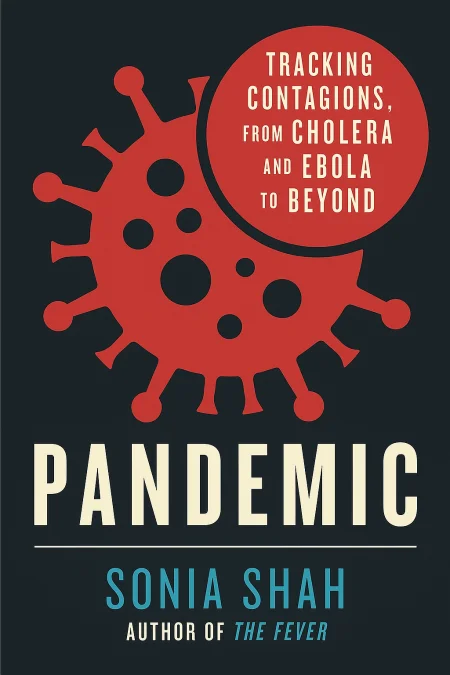
Pandemic
Tracking Contagions, from Cholera to Ebola and Beyond
Book Edition Details
Summary
In the shadowy intersection of history and science, Sonia Shah unveils a chilling tapestry of potential global catastrophe. "Pandemic: Tracking Contagions, from Cholera to Ebola and Beyond" serves as both a forewarning and a guide through the labyrinth of infectious threats that lurk on the fringes of our world. Shah, with an incisive journalist’s eye and a storyteller’s heart, dissects past plagues and emerging diseases, weaving a narrative that is as gripping as it is enlightening. From the roots of cholera's deadly journey to the ominous whispers of new pathogens, each page is a testament to the urgent dance between humanity and microbes. This is not just a book—it's a clarion call for awareness in a world on the brink of another pandemic.
Introduction
Imagine standing in a bustling medieval marketplace where merchants from distant lands converge, their goods carrying invisible passengers that will reshape entire civilizations. Picture the cramped quarters of an industrial-era steamship, where passengers fleeing poverty unknowingly transport deadly pathogens across oceans in mere weeks. These scenes capture a profound truth that most of us have never fully grasped: infectious diseases have been silent architects of human history, toppling empires, redirecting trade routes, and fundamentally altering the trajectory of human progress. This exploration reveals how pandemics emerge not as random acts of nature, but as predictable consequences of human choices about agriculture, urbanization, and global commerce. You'll discover how the same innovations that built our modern world also created perfect conditions for microscopic enemies to flourish and spread. From ancient animal-to-human transmission events that first introduced deadly pathogens to our species, to modern surveillance systems that could prevent the next catastrophic outbreak, this investigation traces the hidden connections between human ambition and biological vulnerability. Whether you're a student of history seeking to understand how invisible forces shaped civilizations, a public health professional grappling with contemporary threats, or simply a curious citizen concerned about our collective future, these stories offer both sobering warnings and actionable insights. The patterns revealed across centuries of human struggle against infectious disease provide essential guidance for navigating the microbial challenges that lie ahead.
Ancient Origins: Animal-to-Human Disease Transmission in Early Civilizations
The transformation of harmless animal microbes into civilization-threatening pathogens began approximately 10,000 years ago, when our ancestors made a fateful decision that would forever alter humanity's relationship with disease. The shift from hunting and gathering to agriculture brought humans into intimate, sustained contact with domesticated animals for the first time in our species' history. What had once been occasional encounters between distinct species became daily cohabitation in crowded settlements where humans, cattle, pigs, and fowl shared living spaces and, inevitably, their microscopic inhabitants. These early agricultural communities became natural laboratories for cross-species disease transmission. Villages provided the population density necessary for pathogens to maintain continuous chains of infection, while close quarters with animals offered countless opportunities for microbes to experiment with jumping between hosts. A virus that had evolved over millennia to infect pigs could now encounter human immune systems, gradually acquiring the mutations needed to spread from person to person. The very innovations that enabled permanent settlements and food security also created highways for infectious agents to travel and evolve. The epidemiological revolution that accompanied the rise of agriculture established patterns that persist today. Most of humanity's deadliest diseases originated through this ancient process of animal-to-human spillover: influenza from birds and swine, tuberculosis from cattle, plague from rodents, and smallpox from livestock. These pathogens didn't emerge randomly but reflected the specific animals that different human populations chose to domesticate and the particular ways they organized their settlements. Understanding this deep history reveals why certain modern practices pose such profound pandemic risks. Factory farming operations that confine thousands of animals in cramped conditions recreate the perfect storm scenarios that first allowed animal microbes to become human pathogens. Wildlife trafficking and habitat destruction bring humans into contact with previously isolated disease reservoirs, potentially triggering new spillover events. We are not passive victims of biological accidents, but active participants in creating the conditions that transform harmless microbes into existential threats.
Industrial Revolution: Cholera and the Urban Health Crisis (1800s-1900s)
The nineteenth century witnessed humanity's second great epidemiological transformation, as steam-powered transportation and explosive urban growth created unprecedented opportunities for disease transmission. The same technological marvels that connected distant markets and enabled remarkable prosperity also constructed superhighways for infectious pathogens. Cholera, which had remained largely confined to the Ganges Delta for centuries, suddenly found itself with global reach as steamships and railways carried the bacterium across continents in weeks rather than months. Urban centers became pressure cookers of disease transmission during this period, as hundreds of thousands of people crowded into cities lacking basic sanitation infrastructure. New York, London, and Paris experienced population explosions that overwhelmed medieval waste management systems, creating conditions that seemed designed to amplify contagion. The wealthy could retreat to country estates during epidemics, but working-class families remained trapped in tenements where contaminated water supplies and overflowing sewers provided perfect breeding grounds for waterborne diseases. The great cholera pandemics of the 1800s exemplified how industrial progress could backfire catastrophically when public health considerations lagged behind technological advancement. Beginning in the 1810s, cholera spread from Bengal across expanding trade networks to devastate populations with no previous exposure to the disease. The bacterium exploited the very infrastructure that symbolized human mastery over distance and geography, turning steam engines and shipping lanes into instruments of biological warfare that could kill thousands within days of arrival in a new port. Yet this era of unprecedented disease transmission also witnessed the birth of modern epidemiology and systematic public health responses. Physicians like John Snow began mapping cholera outbreaks and identifying transmission patterns, laying the groundwork for scientific approaches to disease control. Cities that invested in massive public works projects to separate sewage from drinking water achieved remarkable victories against cholera, demonstrating that collective action could overcome even the most formidable microbial enemies. These hard-won lessons established a crucial principle: technological progress without corresponding attention to public health creates vulnerabilities that can undermine the very foundations of industrial civilization.
Modern Era: Commercial Interests vs Public Health Response
The twenty-first century has revealed a troubling pattern in which powerful commercial interests repeatedly undermine the cooperative responses essential for containing emerging diseases. The 2003 SARS outbreak began when Chinese authorities treated the new pathogen as a state secret, prioritizing economic stability and national reputation over global health security. Only when leaked information reached international surveillance networks did the world learn of the brewing crisis, by which time the virus had already begun spreading through the interconnected networks of modern air travel. This dynamic of concealment and delay has become disturbingly routine across different countries and political systems. Governments consistently calculate that short-term economic disruption poses a greater threat than long-term pandemic risk, leading to cover-ups that allow outbreaks to gain unstoppable momentum. The privatization of global health governance has further weakened collective defenses, as public institutions become dependent on voluntary contributions from donors who can dictate spending priorities based on market considerations rather than epidemiological threats. Pharmaceutical companies focus their research investments on profitable diseases affecting wealthy populations, leaving pathogens with pandemic potential but limited commercial appeal without effective treatments or vaccines. This market-driven approach to medical research creates dangerous gaps in our preparedness for emerging threats, as demonstrated when Ebola ravaged West Africa for months before attracting serious international attention. The virus remained largely ignored not because it was unknown or uncontainable, but because it initially affected only poor populations in remote areas with little economic significance. The concentration of wealth and power in private hands has systematically undermined the cooperative institutions that once protected humanity from infectious diseases. Agricultural lobbies resist restrictions on antibiotic use that could slow the development of drug-resistant bacteria, while pharmaceutical patents prevent the rapid production and distribution of treatments during health emergencies. These structural problems reveal how the same forces that drive innovation and economic growth can also create vulnerabilities that leave entire populations exposed to preventable catastrophes.
Future Prevention: Global Surveillance and Cooperative Defense Systems
The path forward requires acknowledging that pandemics represent predictable consequences of human behavior rather than random natural disasters beyond our control. Preventing future outbreaks demands fundamental changes in how we interact with the natural world, from reducing deforestation that brings humans into contact with wildlife pathogens to reforming agricultural practices that accelerate the development of antibiotic resistance. Advanced surveillance technologies now offer unprecedented opportunities for early detection and rapid response, but only if we can overcome the political and economic obstacles that have historically fragmented our collective defenses. Artificial intelligence systems can analyze social media posts, hospital admission patterns, and environmental data to identify disease outbreaks before they spread widely, while genetic sequencing allows scientists to track pathogen evolution in real time and potentially identify dangerous mutations before they cause widespread harm. These technological capabilities represent genuine breakthroughs in our ability to monitor and respond to emerging threats, but their effectiveness depends entirely on international cooperation and information sharing that transcends national boundaries and commercial interests. The concept of One Health recognizes that human health, animal health, and environmental health are inseparably linked, requiring collaboration across disciplines and sectors that have traditionally operated in isolation. This approach demands treating pandemic prevention as a shared global responsibility rather than a series of disconnected national challenges, with coordinated investments in surveillance systems, research infrastructure, and rapid response capabilities that can benefit all of humanity rather than just wealthy nations. Creating effective global defense systems against pandemic threats requires rebuilding the social trust and cooperative capacity that enabled past victories against infectious diseases. This means strengthening public institutions, regulating private interests that profit from practices increasing pandemic risk, and fostering the international solidarity necessary for coordinated action during health emergencies. The microbial world will continue evolving regardless of our preferences, but our collective response to that evolution will determine whether future generations inherit a more resilient or more vulnerable world.
Summary
The history of pandemics reveals a fundamental paradox at the heart of human civilization: the same forces that drive progress and prosperity also create ideal conditions for catastrophic disease outbreaks. From agricultural innovations that first brought humans into intimate contact with animal pathogens, to industrial transportation networks that spread diseases globally, to modern commercial interests that undermine public health responses, each advance in human capability has opened new pathways for microscopic enemies to exploit our vulnerabilities. The central pattern running through centuries of pandemic history is the tension between collective action and individual interests, between long-term survival and short-term profit. Societies succeed in containing diseases when they prioritize public health over private gain, invest in cooperative institutions, and maintain the social trust necessary for coordinated responses during crises. They fail when economic calculations override epidemiological evidence, when inequality undermines social cohesion, and when the concentration of power in private hands weakens public institutions designed to protect collective welfare. The path forward requires embracing three essential principles drawn from historical experience. First, prevention demands addressing root causes rather than merely responding to symptoms, reforming the agricultural, urban planning, and trade practices that create opportunities for disease emergence and spread. Second, effective pandemic response requires robust public institutions capable of coordinating collective action across national boundaries and commercial interests. Third, the interconnected nature of modern threats demands unprecedented levels of international cooperation and shared responsibility, treating global health security as a common good rather than a competitive advantage. Our future depends on learning these lessons before the next pandemic tests our resolve.
Related Books
Download PDF & EPUB
To save this Black List summary for later, download the free PDF and EPUB. You can print it out, or read offline at your convenience.
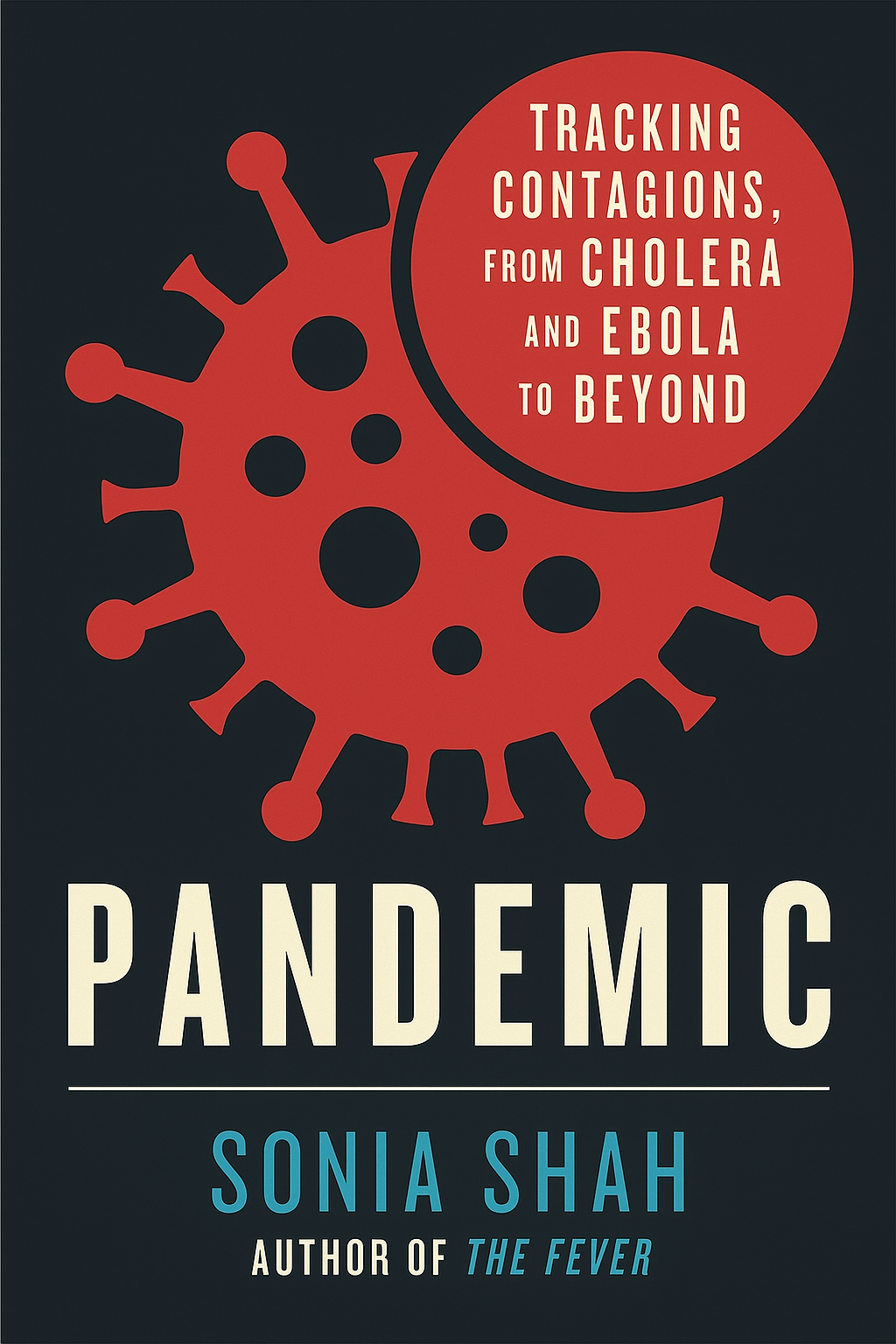
By Sonia Shah
