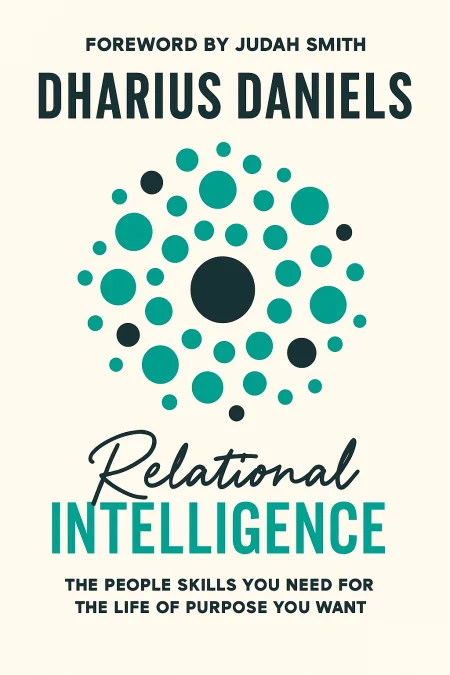
Relational Intelligence
The People Skills You Need for the Life of Purpose You Want
byDharius Daniels, Judah Smith
Book Edition Details
Summary
In the dynamic tapestry of human connection, "Relational Intelligence" by Dr. Dharius Daniels offers a fresh lens to scrutinize the vital interplay of relationships in shaping our destiny. Anchored in the profound wisdom of Jesus's selection of the twelve disciples, this guide illuminates the strategic art of aligning your life with purpose-driven connections. Discover how every interaction, far from being trivial, is a decisive step towards your spiritual and personal evolution. With his rich tapestry of ministry insights, Daniels unravels the biblical blueprint for nurturing bonds that propel you toward your God-ordained potential. As you embark on this enlightening journey, you'll find that mastering relational wisdom is not just transformative—it's essential.
Introduction
Sarah stared at her phone, watching another friend's text go unanswered. She had poured her heart out about a difficult decision at work, hoping for wisdom and support. Instead, silence. This wasn't the first time. As she reflected on her relationships, a troubling pattern emerged: she was always the one giving, listening, supporting, yet when she needed encouragement, her circle seemed to vanish. Sound familiar? We've all been there, wondering why our relationships feel draining instead of energizing, why we attract people who take but never give, or why we struggle to find the deep, meaningful connections we crave. The truth is, most of us navigate relationships by instinct alone, without understanding the profound impact these connections have on every aspect of our lives. Our relationships don't just affect our happiness—they shape our destiny, influence our purpose, and determine the quality of life we experience. This isn't about finding perfect people or becoming someone you're not. It's about developing the intelligence to recognize who belongs where in your life and why. When we understand that not everyone should have the same access to our hearts, dreams, and vulnerabilities, we begin to protect our purpose while still loving well. The journey ahead will equip you with practical wisdom to build relationships that don't just survive but truly thrive, creating the supportive community that propels you toward your God-given calling.
The Power of Proper Relationship Categories
Marcus thought everyone in his life was a friend. His coworkers, his neighbor, his gym buddy, even acquaintances from social media—if they were kind and spent time with him, he opened his heart completely. He shared his business ideas with his coworker, confided his marriage struggles to his neighbor, and trusted his financial dreams to his gym buddy. When his business idea was stolen by the coworker, his personal struggles became neighborhood gossip, and his financial information was used against him, Marcus felt devastated and betrayed. What Marcus discovered through painful experience is what many of us learn too late: there's a profound difference between being friendly with someone and having them as a friend. True friendship requires unshakable character, unconditional love, unbridled honesty, unmovable reliability, and unceasing encouragement. These aren't casual traits found in everyone who crosses our path—they're precious qualities that develop over time and must be tested through seasons of life. The problem isn't that Marcus was too trusting or too open-hearted. The problem was that he lacked the wisdom to recognize different types of relationships and manage them accordingly. When we fail to distinguish between friends, associates, assignments, and advisors, we end up sharing friend-level intimacy with associate-level connections, creating the perfect storm for disappointment and harm. Understanding these categories isn't about being cold or calculating—it's about being wise and protective of the life God has entrusted to us. When we learn to love appropriately while treating people differently based on their role and character, we create space for genuine friendships to flourish while protecting ourselves from unnecessary wounds.
Discerning Who Belongs Where in Your Life
Jennifer had always struggled with saying no. When anyone asked for her time, energy, or resources, she felt guilty refusing. She mentored colleagues who never applied her advice, maintained friendships with people who only called when they needed something, and allowed family members to treat her as an emotional dumping ground. By thirty-five, she was exhausted, resentful, and questioning why her relationships felt so one-sided. The turning point came when Jennifer's pastor suggested she spend time reflecting on her relationships—not to judge others, but to honestly assess what she was feeling and why. As she created space for quiet evaluation, patterns emerged. Some people in her life were energy givers while others were energy drains. Some relationships were reciprocal while others were completely lopsided. Some people demonstrated character and trustworthiness while others showed concerning patterns of selfishness or dishonesty. This process of reflection and evaluation isn't about finding fault with others or becoming hyper-critical. It's about developing the discernment to recognize what we're actually experiencing in our relationships versus what we hope we're experiencing. When we honestly assess the fruit people produce in our lives—do they bring peace or chaos, growth or stagnation, joy or stress—we gain clarity about where they belong in our relational orbit. True discernment requires both emotional intelligence and spiritual wisdom. We must learn to listen to our intuition while also examining concrete patterns of behavior. Some relationships that feel comfortable might actually be holding us back from growth, while others that feel challenging might be exactly what we need for our development. The goal isn't to eliminate everyone who doesn't make us feel good, but to ensure we have the right people in the right places at the right time.
Aligning Relationships Through Courageous Conversations
David had finally gained clarity about his relationships, but now came the harder part: actually doing something about it. His longtime friend Jake had become increasingly toxic—constantly negative, competing instead of supporting, and breaking confidences. David knew Jake needed to move from the friend category to associate, but the thought of that conversation filled him with dread. What if Jake got angry? What if he felt rejected? What if their entire history counted for nothing? After weeks of avoidance, David realized that his fear of having a difficult conversation was actually harming both of them. By allowing Jake to remain in an inappropriate role, David was enabling destructive patterns while building resentment in his own heart. The loving thing to do was to speak truth, set boundaries, and create space for both of them to pursue healthier dynamics. The conversation wasn't easy, but David approached it with preparation, prayer, and genuine care. Instead of attacking Jake's character, he focused on his own needs and the changes he needed to make. He spoke about his desire to focus on positive relationships while acknowledging Jake's value as a person. While Jake initially reacted with hurt and anger, over time he came to understand and even respect David's honesty. Courageous conversations aren't about rejecting people—they're about properly aligning them. Sometimes this means drawing people closer who have proven trustworthy. Other times it means creating distance from those who aren't yet safe with our deepest selves. The goal is always mutual flourishing, even when it requires temporary discomfort. When we have the courage to speak truth in love and set appropriate boundaries, we create space for authentic relationships to grow while protecting everyone involved from the damage of misaligned expectations.
Becoming the Friend You Want to Attract
Rachel complained constantly about the quality of her friendships. People were unreliable, self-centered, and unsupportive. She longed for friends who would encourage her dreams, tell her the truth, and be there during difficult seasons. Yet as Rachel examined her own patterns, she had to admit some uncomfortable truths. When was the last time she had encouraged someone else's dreams? How often did she speak difficult truths when friends needed to hear them? Was she the kind of person others could depend on during their hardest moments? The revelation was both humbling and hopeful: Rachel was attracting exactly the type of person she was being. Her relationships were mirrors reflecting her own emotional maturity, generosity, and character. If she wanted different relationships, she needed to become a different kind of person. This wasn't about self-condemnation but about embracing the exciting possibility of growth and transformation. Rachel began intentionally developing the qualities she desired in others. She practiced reliability by following through on small commitments. She cultivated encouragement by celebrating others' successes without jealousy. She learned to speak truth in love, even when it was uncomfortable. As she grew in these areas, she began attracting people who shared these values. The principle is simple but profound: we cannot consistently draw into our lives people who are better than who we are. Like attracts like in the realm of character and emotional health. This doesn't mean we only connect with people identical to ourselves, but it means that healthy people are drawn to health, generous people are attracted to generosity, and authentic people seek authenticity. When we focus on becoming the type of person we want in our lives, we naturally create space for those relationships to emerge while simultaneously becoming someone worthy of the friendships we desire.
Summary
The stories throughout this exploration reveal a fundamental truth: relationships aren't accidents but choices that shape our destiny. When we develop the intelligence to recognize who belongs where in our lives, we protect our purpose while creating space for genuine connection to flourish. The young woman who learned to distinguish between friends and associates saved herself from betrayal. The man who found courage for difficult conversations discovered that boundaries create freedom rather than restriction. The person who chose to become the friend they wanted to attract found their relational world transformed from the inside out. This journey requires both wisdom and courage—wisdom to see relationships clearly and courage to align them properly. It means celebrating the associates in our lives without expecting friendship-level intimacy, pouring into assignments without demanding reciprocity, and treasuring true friends as the precious gifts they are. Most importantly, it means taking responsibility for becoming someone worthy of the relationships we desire, recognizing that transformation begins within our own hearts. The path forward isn't about perfection but about intentionality. When we stop leaving our most important relationships to chance and start stewarding them with intelligence and love, we discover that God's design for human connection is far more beautiful and life-giving than we ever imagined. Your relationships have the power to accelerate your purpose and multiply your joy—the question is whether you'll develop the intelligence to let them.
Related Books
Download PDF & EPUB
To save this Black List summary for later, download the free PDF and EPUB. You can print it out, or read offline at your convenience.
By Dharius Daniels
