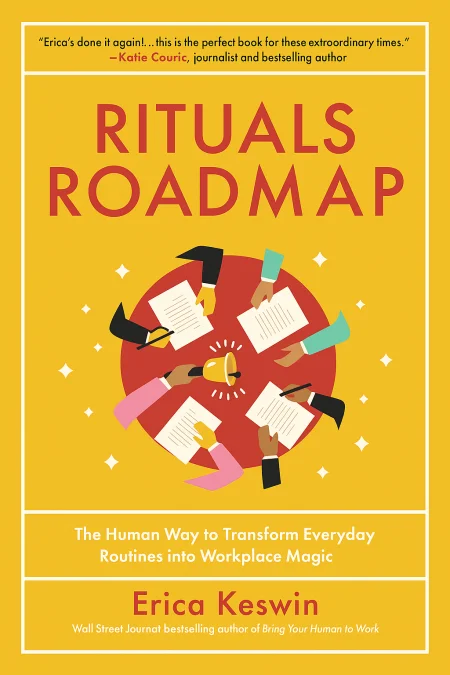
Rituals Roadmap
The Human Way to Transform Everyday Routines Into Workplace Magic
Book Edition Details
Summary
In the bustling corridors of modern workplaces, the secret ingredient to thriving teams isn't just productivity—it's the power of rituals. In "Rituals Roadmap," Erica Keswin, celebrated for her insights on the human workplace, unveils the transformative magic of rituals that make employees feel truly connected. Far from mundane habits, these rituals are the pulse of organizations like Starbucks and LinkedIn, driving engagement and fostering belonging. Whether it’s passing a stuffed penguin to spark gratitude or sharing meals to strengthen bonds, Keswin’s guide is a treasure trove of creative, scientifically-backed strategies. For leaders and team members alike, this book is your essential guide to cultivating a workplace where people are not only committed but eager to contribute, making it a must-read for anyone aiming to elevate their company culture and retention.
Introduction
In our hyperconnected world, where technology promises to bring us closer together, why do so many of us feel more isolated than ever at work? The answer lies not in grand gestures or expensive initiatives, but in something far simpler and more powerful: the everyday moments we share. These seemingly ordinary interactions hold the key to transforming our work environments from sterile, disconnected spaces into vibrant communities where people genuinely thrive. The magic isn't found in boardrooms or strategic planning sessions, but in the small, intentional acts that weave us together as human beings. When we learn to recognize and cultivate these moments, we discover that the most profound changes often come from the simplest practices.
Build Psychological Safety Through Purposeful Connection
Psychological safety forms the bedrock of any thriving workplace culture. It's the shared belief that team members can speak up, make mistakes, and be vulnerable without fear of negative consequences. This isn't just about being nice to each other; it's about creating an environment where people feel fundamentally secure in bringing their whole selves to work. Consider the story of Daisy Auger-Dominguez, a workplace strategist who designs inclusive strategies for organizations. When she takes over a new team, she implements what she calls "manager integration exercises." She brings her direct reports together and then leaves the room so they can discuss three questions: What do we know about Daisy? What do we wish we knew about Daisy? What do we wish Daisy would know about us? When she returns, they review the answers together, creating immediate transparency and vulnerability. This simple practice breaks down barriers and establishes trust from day one. The transformation that follows this exercise is remarkable. Team members report feeling more comfortable sharing ideas, raising concerns, and collaborating authentically. They move from a state of cautious observation to active participation, knowing their manager values their input and perspective. To build psychological safety in your own workplace, start with intentional check-ins that go beyond project updates. Create space for people to share what's working, what's challenging them, and what support they need. Establish regular moments where team members can be honest about their experiences without judgment. Most importantly, model vulnerability yourself by sharing your own challenges and learning moments. Remember that psychological safety isn't built overnight, but through consistent actions that demonstrate respect, curiosity, and genuine care for each person's experience. Every interaction is an opportunity to reinforce that people matter more than perfection.
Design Meaningful Rituals Across Employee Journey
Every employee's journey through an organization presents countless opportunities to create meaningful connections through thoughtful rituals. These aren't elaborate ceremonies, but purposeful practices that help people feel seen, valued, and connected to something larger than themselves throughout their tenure. At KIND Snacks, founder Daniel Lubetzky has created a quarterly ritual that exemplifies this approach. Every few months, he gathers all new hires around a table for an intimate session that lasts two to three hours. During this time, each person shares something most people wouldn't know about them, even if they had worked together for years. The group then identifies patterns among their stories and creates a collective identity, calling themselves something like "The Clumsy Romantics" or "The Funny Eaters." Each cohort then makes a KIND-themed music video with a small budget, celebrating their unique blend of personalities and talents. This ritual creates lasting bonds that extend far beyond the initial gathering. New employees discover unexpected connections with their colleagues, learn about hidden talents and shared experiences, and develop a sense of belonging to both their cohort and the larger organization. The music videos become part of company lore, creating stories that reinforce the culture for years to come. To design your own journey rituals, map out key touchpoints in the employee experience from first interview to departure. Identify moments of transition, achievement, and challenge where people most need connection and support. Create simple practices that acknowledge these moments, such as welcome packages that reflect company values, milestone celebrations that involve the whole team, or departure rituals that honor contributions and maintain relationships. Focus on consistency and authenticity rather than elaborate gestures. The most powerful rituals are those that people genuinely look forward to and would miss if they disappeared. Let these practices evolve naturally, guided by what resonates most deeply with your team members.
Create Authentic Recognition and Celebration Moments
Recognition that truly matters goes beyond annual awards or performance bonuses. It's about creating consistent moments where people feel genuinely seen and appreciated for their contributions, their growth, and their unique presence in the organization. Shanna Hocking learned this lesson early in her career when her mentor at Duke University handed her a manila folder and said, "This is your 'Attagirl Folder.' You need to fill it with all of your accolades, all the notes you get, all of your accomplishments. This is going to be the cheerleader that you need on days when things don't go the way you've planned." This simple gesture became a career-long practice that Hocking has carried with her and now shares with everyone who starts working with her. The power of this ritual extends far beyond the folder itself. It creates a mindset shift where both manager and employee become attuned to moments worth celebrating. Hocking keeps her own email file to collect examples of great work, ensuring she has concrete evidence to share with team members about their impact and growth. The folder becomes a tangible reminder of value and progress during challenging times. To create authentic recognition moments, start by paying attention to the small wins and daily contributions that often go unnoticed. Establish regular practices for acknowledging progress, whether through brief team shoutouts, handwritten notes, or simple conversations that highlight specific impacts. Make recognition personal by connecting acknowledgments to individual values and goals rather than using generic praise. Consider creating rituals around different types of achievements: breakthrough moments, consistent excellence, collaborative efforts, and personal growth. The key is consistency and specificity, helping people understand not just that they're valued, but exactly how they're making a difference. Build recognition into the fabric of your regular interactions rather than saving it for special occasions. When appreciation becomes part of your daily rhythm, it transforms the entire atmosphere and creates a culture where people naturally support and celebrate each other.
Summary
The most extraordinary transformations happen not through grand strategic initiatives, but through the accumulation of small, intentional moments that honor our shared humanity. As research consistently shows, when people feel psychologically safe and connected to purpose, their performance naturally improves, creating a virtuous cycle that benefits everyone. The path forward is surprisingly simple: start with one meaningful practice, observe its impact, and build from there. Choose one area where you can begin creating more intentional connection today, whether it's how you welcome new team members, recognize daily contributions, or design moments for authentic sharing. The magic you're seeking already exists within your team; it simply needs the right conditions to flourish.
Related Books
Download PDF & EPUB
To save this Black List summary for later, download the free PDF and EPUB. You can print it out, or read offline at your convenience.
By Erica Keswin
