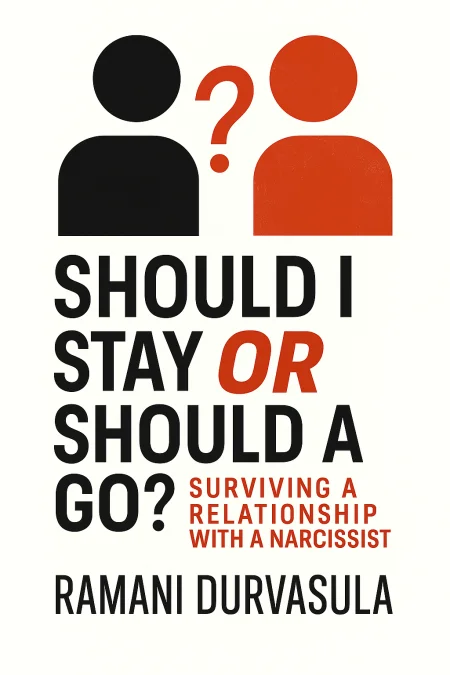
Should I Stay Or Should I Go
Surviving A Relationship with a Narcissist
Book Edition Details
Summary
Entangled in the snare of a narcissistic relationship? You're not alone. Dr. Ramani's "Should I Stay Or Should I Go?" cuts through the fairy tale illusions that often bind us to toxic partners. With a deft mix of clinical insight and poignant real-life narratives, this guide unveils the hidden truths of pathological narcissism that even therapists might skip over. It equips you with the tools to spot the subtle red flags and offers two distinct paths forward: one for those daring enough to leave, and one for those choosing to stay. This is not just a book; it's your survival manual, paving the way to reclaim your life and self-worth.
Introduction
In the quiet desperation of countless relationships around the world, partners find themselves trapped in an invisible prison of emotional manipulation, chronic disappointment, and profound loneliness. They walk on eggshells, constantly apologizing for things they haven't done, and questioning their own reality as they try to please someone who seems fundamentally incapable of genuine connection. These are the hallmarks of being in a relationship with a narcissist, a pattern that has become increasingly prevalent in our image-obsessed, validation-seeking culture. Dr. Ramani Durvasula, a clinical psychologist with decades of experience treating personality disorders, presents a stark but necessary truth: narcissists don't change. This realization forms the foundation for understanding one of the most psychologically damaging relationship dynamics of our time. Through years of clinical observation and research, she has witnessed the systematic erosion of self-worth that occurs when empathetic individuals become entangled with partners who lack the fundamental capacity for genuine empathy and mutual respect. This exploration will guide you through understanding the complex psychology behind narcissistic behavior, recognizing why intelligent and caring people become attracted to these relationships, and most importantly, developing strategies for either surviving within such relationships or finding the courage to leave. Whether you choose to stay or go, the path forward requires a complete abandonment of the fantasy that love can transform a narcissist into the partner you need them to be.
Understanding Narcissism: Traits, Patterns, and Red Flags
Narcissistic personality disorder represents far more than simple vanity or self-absorption. At its core, narcissism is a profound disorder of self-esteem, masked by grandiose displays of confidence and success. These individuals present to the world an image of supreme self-assurance while internally depending entirely on external validation to maintain their sense of self-worth. This fundamental instability creates a personality that alternates between charming manipulation and cold indifference, leaving their partners in a state of constant confusion and emotional whiplash. The narcissist's toolkit includes a devastating array of psychological tactics that gradually erode their partner's sense of reality. Gaslighting makes victims question their own perceptions and memories. Projection causes narcissists to accuse others of their own failings and behaviors. Love-bombing creates intense emotional highs followed by devastating withdrawals of affection. These patterns aren't occasional lapses in judgment but rather consistent strategies for maintaining control and superiority in relationships. Perhaps most damaging is the narcissist's complete inability to experience genuine empathy. While they may intellectually understand what empathy looks like and even mimic it when it serves their purposes, they cannot truly feel or respond to another person's emotional needs. This empathy deficit means that no amount of communication, pleading, or perfect behavior from their partner will create the mutual emotional connection that healthy relationships require. The partner's emotional world simply doesn't register as real or important to the narcissist. The red flags typically appear within the first three months of a relationship, though they're often rationalized away or romanticized by partners eager for connection. Early signs include explosive anger over minor inconveniences, chronic lying about small and large matters, an obsessive need for admiration and attention, and a complete inability to take responsibility for mistakes or hurtful behavior. These warning signs represent not temporary flaws that can be worked through, but permanent features of a disordered personality structure.
The Psychology of Attraction: Why We Fall for Narcissists
The magnetic pull of narcissistic individuals stems from their masterful ability to present an irresistible facade during the courtship phase. They excel at what relationship experts call "winning the game," employing charm, confidence, and grandiose gestures that make potential partners feel special and chosen. Their intelligence, physical attractiveness, and apparent success create a compelling package that seems to promise security, excitement, and status. For many, being selected by someone who appears to have unlimited options feels like winning an emotional lottery. This attraction often has deep psychological roots that trace back to childhood experiences with narcissistic or emotionally unavailable parents. Individuals who grew up having to earn love through performance, achievement, or constant accommodation unconsciously seek out familiar relationship dynamics in adulthood. The challenging, unpredictable nature of narcissistic partners triggers an ancient script that equates difficulty with desirability and intermittent reinforcement with true love. What feels like "chemistry" is often simply the activation of old, unhealthy patterns that the nervous system recognizes as familiar territory. Cultural factors significantly amplify this attraction in our modern world. Social media has created a generation that confuses external validation with internal worth, making narcissistic traits seem not just normal but desirable. The "branding" of individuals through career success, material possessions, and curated online personas plays directly into narcissistic strengths while obscuring their fundamental inability to form genuine connections. Society's emphasis on confidence, ambition, and self-promotion often makes narcissistic individuals appear to be the most successful and desirable partners available. The rescue fantasy provides the final piece of this psychological puzzle. Many partners of narcissists are drawn to the belief that their love can heal past wounds and transform their partner into someone capable of true intimacy. This fantasy is particularly powerful because narcissists do occasionally show vulnerability, creating just enough hope to sustain their partner's belief in eventual redemption. However, these moments of apparent emotional availability are typically shallow and self-serving, designed more to maintain their partner's investment than to create genuine connection.
Choosing Your Path: Strategic Approaches to Stay or Leave
The decision of whether to remain in or leave a narcissistic relationship represents one of the most complex choices an individual can face. Unlike relationships with fundamentally healthy partners where communication and effort can create positive change, narcissistic relationships operate under different rules entirely. The central reality that must be accepted is that narcissists will not change, regardless of how much love, patience, or perfect behavior their partners provide. This recognition shifts the entire framework from attempting to fix the relationship to deciding whether to accept its permanent limitations. For those who choose to stay, survival depends on radical expectation management and emotional self-protection. The three-part rule becomes essential: good news should be shared with supportive friends and family first, bad news should be prepared and delivered without expectation of empathy or support, and conversations should focus on neutral, inconsequential topics that cannot be weaponized. This approach requires building a robust support network outside the primary relationship to meet emotional needs that will never be satisfied by the narcissistic partner. Staying also means abandoning the hope for authentic emotional intimacy while finding ways to appreciate whatever positive aspects the relationship does provide. Some individuals find value in the stability, lifestyle, or even the predictable patterns that narcissistic relationships offer, once they stop expecting empathy, support, or genuine partnership. This path requires tremendous emotional maturity and often ongoing therapeutic support to maintain psychological health while accepting such significant relationship limitations. The decision to leave, while often psychologically healthier, comes with its own set of challenges and requires careful preparation. Narcissists rarely allow their partners to depart peacefully, often responding to abandonment with intense rage, revenge attempts, and systematic campaigns to destroy their former partner's reputation and stability. Practical preparations must include financial independence, legal protection, documentation of abusive behaviors, and a strong support system prepared for the inevitable narcissistic backlash that accompanies any attempt to end these relationships.
Recovery and Prevention: Healing and Avoiding Future Harm
Recovery from a narcissistic relationship involves healing from a unique form of psychological trauma that systematically erodes self-trust, emotional vocabulary, and the ability to recognize authentic love and respect. The recovery process typically follows three distinct phases: awareness of the true nature of what occurred, emotional healing from the sustained psychological damage, and empowerment to create healthier relationship patterns in the future. Each phase requires different strategies and varying amounts of time to complete fully. The awareness phase often brings both relief and grief as individuals recognize that their feelings of confusion, inadequacy, and desperation were not character flaws but natural responses to systematic emotional manipulation. Understanding the clinical nature of narcissistic behavior patterns can be profoundly validating, helping survivors realize that no amount of effort or perfection could have created the relationship they desired. This intellectual understanding must then be integrated emotionally through therapeutic work that addresses both the relationship trauma and the underlying vulnerabilities that made the narcissistic partner attractive initially. Emotional healing requires rebuilding the capacity for self-trust and authentic emotional expression that was systematically undermined during the relationship. Many survivors find they have lost touch with their own preferences, boundaries, and instincts after years of having them dismissed or attacked. Therapeutic work, supportive friendships, and practices like journaling or meditation help restore this internal compass while processing the complex grief that accompanies leaving someone you loved, even if they were incapable of loving you back. Prevention of future narcissistic relationships depends on developing a more sophisticated understanding of what constitutes healthy relationship behavior versus superficial charm and manipulation. Red flags must be recognized and honored rather than rationalized away, regardless of how attractive or successful a potential partner appears. This often means learning to value qualities like kindness, consistency, and emotional availability over excitement, status, or the challenge of winning someone difficult. Most importantly, it requires developing a strong enough sense of self-worth that the validation of others, particularly those who offer it inconsistently, becomes unnecessary for personal happiness and security.
Summary
The journey through a narcissistic relationship, whether survived or escaped, ultimately teaches one of life's most valuable lessons: that authentic self-worth cannot be earned through the approval of others, particularly those fundamentally incapable of offering genuine appreciation and love. These relationships, painful as they are, serve as profound teachers about the difference between surface-level attraction and genuine compatibility, between the excitement of emotional chaos and the peace of mutual respect. For those still navigating these treacherous waters, remember that choosing to stay requires accepting permanent limitations while choosing to leave requires tremendous courage and preparation. Neither path is easy, but both become more manageable when approached with clear understanding rather than false hope. The key insight remains constant: you cannot change a narcissist, but you can change how you respond to one. Building a life rich in authentic connections, meaningful purpose, and unshakeable self-respect provides the foundation for either surviving within these relationships or finding the strength to leave them behind. Ultimately, the greatest victory lies not in transforming someone incapable of change, but in refusing to allow their limitations to define your worth or constrain your capacity for joy.
Related Books
Download PDF & EPUB
To save this Black List summary for later, download the free PDF and EPUB. You can print it out, or read offline at your convenience.
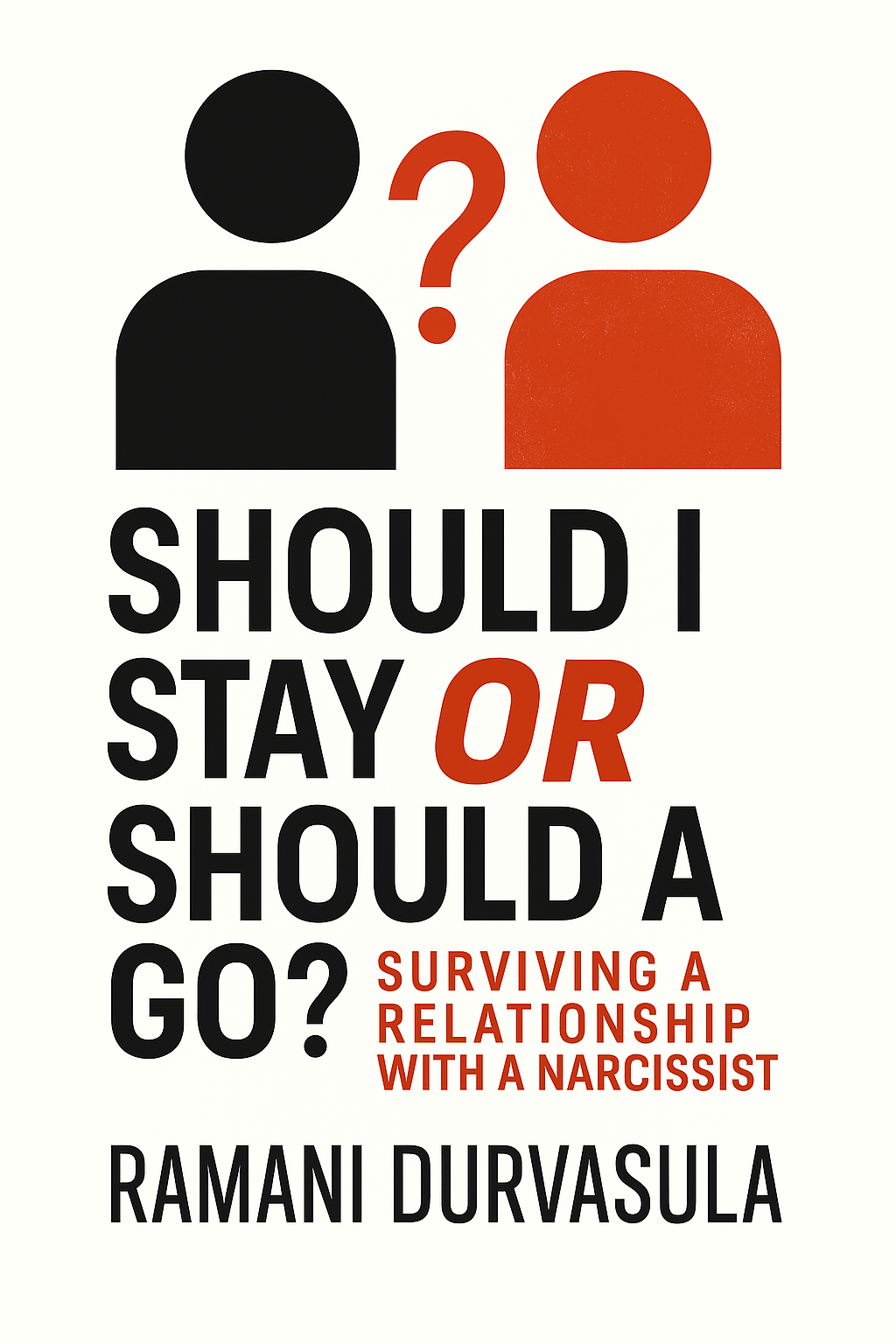
By Ramani Durvasula
