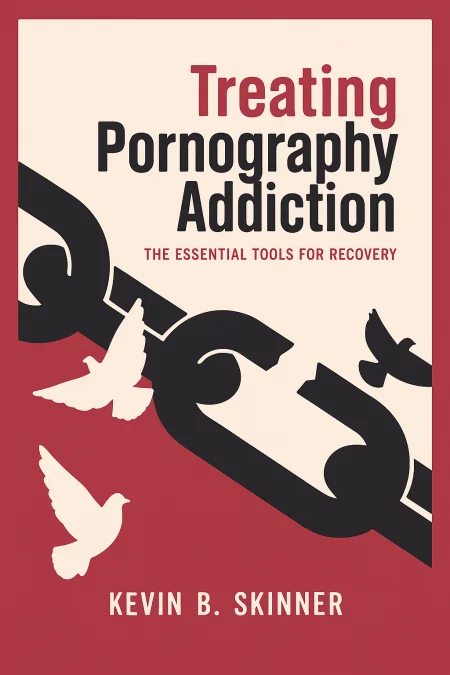
Treating Pornography Addiction
The Essential Tools for Recovery
Book Edition Details
Summary
In a mind gripped by the clutches of pornography, Dr. Skinner offers a beacon of hope and transformation. "Treating Pornography Addiction" isn't just a guide; it's a lifeline for those trapped in the relentless cycle of addiction. By unveiling the psychological snare that pornography weaves, Dr. Skinner masterfully outlines how one can reclaim control and rewire their mental pathways. This compelling narrative culminates with a strategic blueprint for recovery, fortified by an insightful assessment tool that acts as both a mirror and a map for those ready to change. A groundbreaking exploration that blends compassion with actionable insights, this book stands as a testament to the possibility of renewal and resilience.
Introduction
You know that feeling when you promise yourself "this is the last time," only to find yourself back in the same cycle days or weeks later? If you're reading this, chances are you've experienced the frustration, shame, and sense of being trapped that comes with pornography addiction. You're not alone in this struggle, and more importantly, you're not powerless against it. This addiction doesn't define your worth or determine your future. What you're facing is a complex challenge that affects millions of people, but it's one that can be overcome with the right understanding, tools, and approach. The journey to freedom isn't just about stopping a behavior—it's about reclaiming your life, rebuilding your relationships, and rediscovering who you truly are beneath the weight of this addiction. Recovery is possible, and it begins with understanding the science behind your struggle and equipping yourself with proven strategies for lasting change.
Understanding Your Addiction: The Science Behind the Struggle
Pornography addiction isn't a matter of weak willpower or moral failing—it's a complex neurochemical process that literally rewires your brain. When you view pornography, your brain releases a powerful cocktail of chemicals including dopamine, endorphins, epinephrine, and oxytocin. These naturally occurring substances create an intense high that can be more challenging to overcome than drugs or alcohol because, as Dr. Patrick Carnes notes, "you literally carry your own source of supply." Consider Eric's story, which illustrates how early exposure creates lasting patterns. At just four years old, Eric was exposed to pornographic magazines scattered throughout his home during his parents' constant fighting. His mother, trying to protect him from the violence and yelling, would sometimes give him a magazine just to keep him away from the conflict. Unwittingly, she reinforced his association between pornography and comfort during emotional distress. This early conditioning taught Eric's developing brain that pornography was a safe haven during times of pain and chaos. As Eric grew into his teens and adulthood, this neural pathway deepened. What began as childhood comfort evolved into compulsive behavior that dominated his thoughts and relationships. The chemicals his brain released during pornography viewing created what researchers call "tolerance," meaning he needed increasingly intense material to achieve the same high. This escalation pattern is common among those who start viewing pornography at young ages. Understanding this process is crucial because it reveals that your struggle isn't about character defects—it's about hijacked brain chemistry. Your brain has learned to crave these chemicals, and when they're absent, you experience genuine withdrawal symptoms including restlessness, irritability, anxiety, and intense cravings. Recognizing these symptoms as part of addiction, not personal weakness, is the first step toward breaking free. The key to recovery lies in retraining your brain to find satisfaction and comfort through healthier means, gradually reducing your dependence on the chemical highs that pornography provides while building new neural pathways that support lasting freedom.
Building Your Recovery Toolkit: Assessment and Preparation
Recovery begins with honest self-assessment and thorough preparation. Just as a contractor wouldn't start building without examining the foundation and gathering the right tools, you need to understand your specific addiction patterns and prepare comprehensive strategies before taking action. Start by identifying your personal addiction level on the seven-point continuum. John, a client struggling with daily pornography use, initially minimized his involvement, claiming he only viewed it "occasionally." However, honest assessment revealed he was at Level 6, where pornography dominated his daily thoughts and he spent hours each day seeking and viewing material. This realization was painful but essential—you can't solve a problem you won't acknowledge. John's breakthrough came when he mapped his "reaction sequence"—the predictable chain of events leading to relapse. His sequence began with feeling lonely after work, progressed through specific emotional and physical responses, and culminated in justifying beliefs like "I deserve this after a hard day." By documenting each step, John gained crucial awareness of his vulnerability points and trigger moments. With this understanding, John developed a comprehensive game plan. He identified his most vulnerable times (evenings alone), established clear boundaries (no internet after 10 PM without accountability), and prepared alternative activities for high-risk situations. He also defined sobriety specifically, determining that recovery meant avoiding not just explicit pornography but also sexually suggestive material that led to fantasy and eventual relapse. Your preparation phase should include creating accountability partnerships, establishing environmental controls, and developing coping strategies for withdrawal symptoms. This isn't about perfection—it's about building a robust support system that can carry you through the inevitable challenges ahead. Remember, those who prepare thoroughly are significantly more likely to achieve lasting recovery than those who rely on willpower alone.
Taking Action: Strategies for Lasting Change
The transition from preparation to action represents a crucial shift from learning about recovery to actively living it. This stage requires implementing your strategies while developing new awareness patterns and emotional management skills that will serve you throughout your journey. Brian exemplified this transformation when he moved beyond simply understanding his addiction to actively rewiring his responses. After months of feeling trapped and hopeless, Brian learned to recognize his trigger moments within seconds rather than hours. When he felt the familiar urge while watching late-night television, he immediately identified the source, evaluated potential outcomes, and executed his predetermined response plan. Instead of battling the craving in the high-risk environment, he turned off the TV, left the room, and called his accountability partner. This four-step internal awareness process became Brian's lifeline: recognition of the trigger, identification of the source, evaluation of outcomes, and execution of his game plan. What once seemed like an uncontrollable impulse became a manageable decision point. Brian discovered that the key wasn't eliminating temptation but responding differently when it arose. The taking-action stage also involves significant emotional work. Many people in recovery discover they've been using pornography to avoid dealing with underlying feelings of loneliness, stress, anger, or inadequacy. Brian learned to identify these emotions before they escalated into cravings, asking himself "What am I really feeling right now?" rather than immediately seeking escape through pornography. As you implement these strategies, expect your thoughts and self-image to gradually shift. Where pornography once occupied significant mental real estate, you'll find space for goals, relationships, and genuine interests. This mental freedom often surprises people in recovery—they realize how much of their cognitive capacity had been consumed by their addiction. Track your progress not just by days without relapse, but by increased mental clarity, improved relationships, and renewed sense of purpose.
Living Free: Maintaining Recovery and Preventing Relapse
Long-term recovery isn't just about avoiding pornography—it's about building a lifestyle that naturally supports freedom and growth. Those who maintain lasting recovery share common characteristics that create sustainable change and prevent the patterns that lead to relapse. The foundation of lasting recovery is unwavering commitment to integrity. Harry's story demonstrates this principle powerfully. Initially, Harry wanted to overcome his pornography addiction without telling his fiancée Jennifer, fearing she would leave him. He kept his counseling sessions secret and minimized the extent of his problem. However, his therapist emphasized that secrets are recovery killers, explaining that healing requires complete honesty. When Harry finally shared his struggle with Jennifer, her initial hurt gave way to appreciation for his honesty. This transparency became the cornerstone of their relationship and his recovery. Living free also requires genuine commitment to personal growth and helping others. Those in lasting recovery don't simply avoid pornography—they actively pursue meaningful activities that provide natural fulfillment. They develop new skills, strengthen relationships, improve their work performance, and often become mentors for others facing similar struggles. This growth-oriented lifestyle creates positive momentum that makes returning to addictive behavior increasingly unappealing. Recovery maintenance involves learning to trust your spiritual instincts and intuitive responses. Many people discover that overcoming pornography addiction requires tapping into strength beyond their own willpower. This might involve prayer, meditation, service to others, or simply learning to pause and listen to their inner wisdom when facing difficult moments. These practices provide sustainable strength that outlasts the temporary high of addictive behavior. Most importantly, those living in freedom have learned to view their recovery as an ongoing lifestyle choice rather than a temporary restriction. They understand that maintaining freedom requires continued vigilance, growth, and connection with others. They celebrate their progress while remaining humble about the ongoing nature of recovery, knowing that their freedom is a precious gift that requires daily nurturing and protection.
Summary
Recovery from pornography addiction is not just possible—it's happening for thousands of people who once felt as trapped and hopeless as you might feel right now. As Dr. Kevin Skinner reminds us throughout this journey, "The helpless and powerless feeling you are experiencing can be replaced by hope and joy." Your addiction doesn't define you, and your past doesn't determine your future. The science is clear: your brain can heal, new neural pathways can be formed, and lasting freedom can be achieved through proper understanding, adequate preparation, consistent action, and sustainable lifestyle changes. The path forward requires courage to face the truth about your situation, commitment to do the necessary work, and faith that change is possible. Your first step toward freedom begins today—identify your current addiction level honestly, reach out for support, and begin building the foundation for your recovery. You have everything within you needed to break free and reclaim the life you were meant to live.
Related Books
Download PDF & EPUB
To save this Black List summary for later, download the free PDF and EPUB. You can print it out, or read offline at your convenience.
By Kevin B. Skinner
