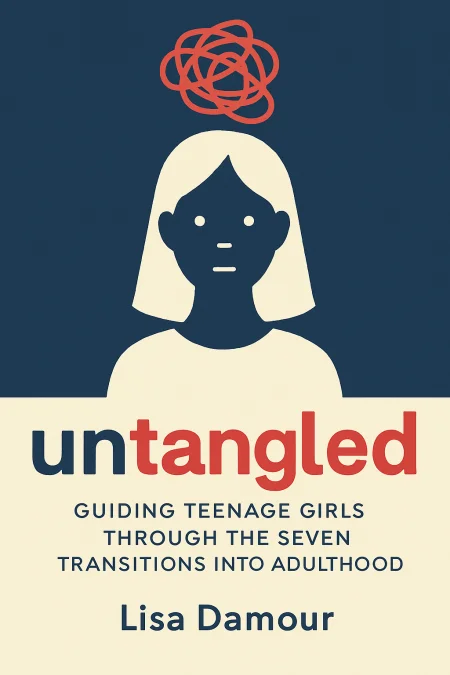
Untangled
Guiding Teenage Girls Through the Seven Transitions into Adulthood
Book Edition Details
Summary
Navigating the tumultuous waters of adolescence can feel like deciphering an enigma wrapped in an ever-shifting puzzle, especially when it comes to teenage girls. In "Untangled," Dr. Lisa Damour, a psychologist with an empathetic lens and years of field experience, demystifies this phase with grace and insight. Through her exploration of seven pivotal developmental stages, she offers parents a roadmap to understand the whirlwind of changes their daughters experience. From childhood farewells to navigating romantic entanglements, this guide stands out by addressing real-world dilemmas with clear, actionable advice. What do you do when your teen dismisses your concerns with an eye roll or grapples with anxiety over exams? "Untangled" isn't just a book—it's an indispensable companion for anyone committed to nurturing the next generation of strong, self-assured women.
Introduction
Sarah stared at her phone in disbelief, reading the text from her fourteen-year-old daughter Emma: "I hate you and I never want to talk to you again." Just that morning, Emma had curled up next to her on the couch, sharing stories about her friends and laughing at their inside jokes. Now, after a simple request to clean her room, Sarah felt like she was living with a stranger. The sweet, communicative girl who used to be her constant companion had seemingly vanished overnight, replaced by someone who rolled her eyes at every suggestion and treated family dinner like a prison sentence. This bewildering transformation echoes in countless homes where parents find themselves navigating the turbulent waters of raising teenage daughters. The girl who once sought comfort in her parents' arms now seems to find their very presence irritating. Yet beneath this apparent chaos lies a beautiful and predictable pattern of growth. What appears to be random rebellion is actually purposeful development, as girls work through seven distinct transitions that will transform them from children into capable, independent young women. Understanding these transitions changes everything, allowing us to respond with wisdom rather than worry, recognizing that this challenging journey is ultimately about helping our daughters become the strong, confident women they are meant to be.
Breaking Away: When Daughters Distance Themselves from Family
Maya sat in her kitchen, staring at the untouched breakfast she had prepared for her twelve-year-old daughter Camille. Until recently, mornings had been their special time together, filled with easy conversation and shared laughter. But with the start of seventh grade, everything shifted. Camille now grabbed a granola bar and rushed out the door, avoiding eye contact and responding to Maya's cheerful questions with grunts or silence. The warm, talkative girl Maya had known seemed to have disappeared overnight, replaced by a stranger who treated her mother like an unwelcome intrusion. When Maya tried to address the change directly, asking if something was wrong, Camille exploded with unexpected fury. "You're so clingy!" she shouted, her voice cracking with emotion. "I can't breathe with you always asking me questions and wanting to know everything about my life!" The words hit Maya like physical blows, leaving her feeling rejected and confused about what she had done wrong. What Maya was witnessing wasn't personal rejection but rather the beginning of a crucial developmental process. Camille was learning to separate from childhood dependence and establish her own identity, independent from her parents. This pulling away, though painful for parents to experience, represents healthy psychological growth. By creating emotional distance, girls practice being independent while still enjoying the safety net of home. The challenge for parents is learning to see this apparent rejection not as personal failure, but as evidence of their daughter's excellent progress toward becoming a self-sufficient young woman.
Finding Her Tribe: The Social Journey of Adolescence
Fifteen-year-old Joelle appeared at her mother's bedroom door at midnight, tears streaming down her face. Her best friend since elementary school, Megan, had suddenly started ignoring her, choosing instead to sit with the popular girls at lunch. What made it worse was that Megan seemed to be actively avoiding her, turning away when Joelle approached and whispering with her new friends in ways that felt deliberately exclusionary. The betrayal cut deep, leaving Joelle feeling utterly alone and questioning everything she thought she knew about friendship. The intensity of Joelle's reaction might seem disproportionate to adults, but for teenagers, peer relationships carry enormous weight. During adolescence, the brain undergoes significant changes that make social acceptance feel literally rewarding, while rejection triggers genuine distress. Joelle wasn't being overdramatic; she was experiencing real emotional and even physical pain from the loss of her friendship. Having pulled away from their families, teenagers must now find their place within a peer group that will serve as their primary source of identity and belonging. This social navigation serves a crucial developmental purpose. Through experiencing friendship conflicts, learning to read social cues, and discovering where they fit within various groups, girls develop the interpersonal skills they'll need throughout their lives. The work of joining a new tribe shapes not only whom girls spend time with, but also their interests, values, and sense of self-worth. Understanding this helps parents respond with appropriate empathy rather than dismissing their daughter's social concerns as trivial drama.
Emotional Storms and Testing Boundaries: Growth Through Challenge
Seventeen-year-old Samantha received a D on her chemistry test and seemed completely indifferent to the grade when her father Mark asked about it. Frustrated by her apparent lack of concern, Mark launched into a lecture about responsibility and consequences, threatening to cancel her summer plans if she didn't start taking her education seriously. Samantha listened with a blank expression before shrugging and saying, "Whatever, Dad," then disappearing into her room. Mark spent the evening fuming about his daughter's attitude and wondering how to motivate her to care about her future. The next morning, Mark discovered that Samantha had already emailed her teacher, arranged for extra help, and negotiated a way to improve her grade. His confusion deepened when he realized that while he had been carrying all the worry and frustration about the situation, Samantha had calmly worked on a solution. This phenomenon, where teenagers unconsciously transfer their emotional distress to their parents while maintaining their own equilibrium, serves an important developmental purpose by giving girls the emotional space they need to think clearly and take action. The teenage brain undergoes dramatic changes that intensify emotional experiences far beyond what girls experienced in childhood. The emotional centers develop before the rational control systems come fully online, creating a period where feelings can feel overwhelming and unpredictable. Learning to harness these powerful emotions, rather than being controlled by them, represents one of the most crucial skills girls develop during adolescence. Parents who can recognize this process and avoid taking on their daughter's emotions help her build the resilience and problem-solving abilities she'll need as an adult.
Self-Care and Preparing for Independent Adulthood
Eighteen-year-old Chloe sat across from her school counselor, her artistic sensibilities evident in her carefully chosen vintage clothing and thoughtful way of speaking. She had come to discuss a frightening experience from the previous weekend when she had gotten dangerously drunk at a party, something completely out of character for the usually responsible honor student. As she described waking up disoriented and scared, she wasn't making excuses or minimizing what had happened. Instead, she was genuinely trying to understand how she had ended up in such a situation and what it meant for her future. When asked directly if she was worried about developing a drinking problem, Chloe considered the question seriously before responding that she wasn't concerned about addiction, but she was definitely shaken by how quickly things had gotten out of control. She recognized that she had made several poor decisions that night, from drinking on an empty stomach to consuming hard alcohol for the first time. Most importantly, she was willing to examine her behavior honestly and make changes to prevent similar situations in the future. This conversation revealed the hallmarks of a young woman who was successfully developing the capacity for self-care and personal responsibility. Rather than deflecting blame or becoming defensive, Chloe was able to assess her own behavior objectively and make thoughtful decisions about her future choices. Her willingness to seek help and reflect on her mistakes demonstrated the kind of self-awareness that would serve her well in college and beyond. The incident, while concerning in the moment, became evidence of her growing maturity and ability to learn from experience rather than repeat dangerous patterns.
Summary
The journey through adolescence unfolds not as a single dramatic transformation, but as a complex weaving together of seven distinct developmental strands. Through countless moments of growth, challenge, and learning, teenage girls gradually acquire the skills they need to navigate the adult world with confidence and wisdom. Each transition represents both an opportunity and a challenge, requiring parents to balance support with independence, guidance with freedom, and trust with appropriate boundaries. The most profound insight from understanding these developmental patterns is recognizing that what appears to be teenage chaos is actually purposeful growth in disguise. The daughter who seems to reject everything you've taught her is testing those lessons against her own emerging values. The girl who makes mistakes that terrify you is learning to take responsibility for her own choices and their consequences. By understanding these patterns, parents can move from feeling helpless to becoming skilled guides who know when to intervene and when to trust their daughter's developing judgment. Ultimately, the goal is not to control or prevent the challenges of adolescence, but to help our daughters develop the internal compass they'll need to navigate life's complexities independently. When we understand that temporary distance leads to deeper connection, that emotional intensity builds resilience, and that testing boundaries develops wisdom, we can embrace these turbulent years as the necessary preparation they truly are. Our daughters emerge from this process not despite the struggles they've faced, but because of them, ready to take on the world with strength, authenticity, and hope.
Related Books
Download PDF & EPUB
To save this Black List summary for later, download the free PDF and EPUB. You can print it out, or read offline at your convenience.
By Lisa Damour
