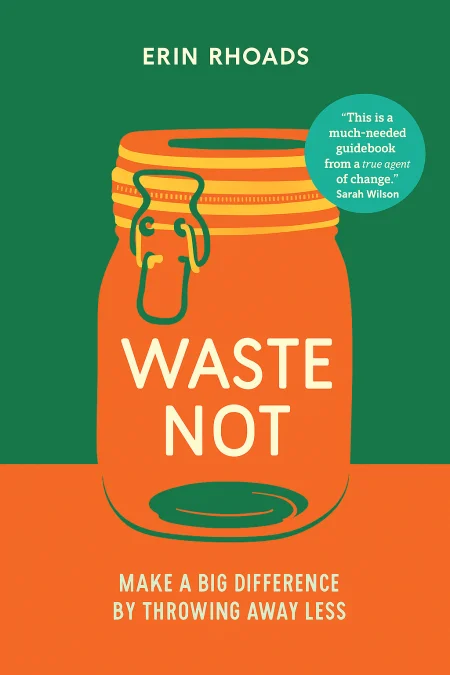
Waste Not
Make a Big Difference by Throwing Away Less
Book Edition Details
Summary
Erin Rhoads, known as The Rogue Ginger, invites you to challenge the throwaway culture with her lively and enlightening guide, "Waste Not." Imagine transforming your life from a whirl of single-use plastics and fast fashion to a more sustainable, impactful existence. With wit and honesty, Erin shares her own imperfect journey towards zero waste, offering practical steps for swapping out disposable goods, creating eco-friendly cleaning solutions, and rethinking gift-giving and celebrations. Each tip is a stepping stone toward a world where convenience doesn't come at the planet's expense. "Waste Not" isn't just a book; it's a call to action for those ready to enjoy modern life without the modern mess.
Introduction
Every time you throw something away, you're making a choice. That choice ripples outward, affecting not just your immediate surroundings, but the broader world we all share. The problem isn't that we don't care about the environment—it's that we've been conditioned to believe that convenience and consumption are the only ways to live comfortably. The plastic-wrapped apple, the single-use coffee cup, the disposable everything—these have become so normal that we barely notice them anymore. But what if there was another way? What if living with less waste could actually make your life richer, more meaningful, and more connected to the world around you? The journey toward zero waste isn't about deprivation or judgment—it's about rediscovering the joy of intentional living. It's about understanding that every small action you take can contribute to a larger transformation, both in your own life and in the world. The path forward begins with a simple recognition: you have more power than you think to create positive change, starting with the choices you make every single day.
Start Small: Single-Use Plastic Challenge and Mindful Consumption
Zero waste living begins with understanding that massive change starts with tiny shifts. The single-use plastic challenge represents the perfect entry point because it addresses the most visible and immediate form of waste in our daily lives. This approach isn't about perfection—it's about awareness and gradual transformation. Erin's journey began unexpectedly when she was sick in bed, watching a documentary called The Clean Bin Project. What struck her most powerfully were the images of Laysan albatross on Midway Atoll, their stomachs filled with plastic debris they had mistaken for food. These magnificent birds would feed bottle caps, lighters, and plastic fragments to their chicks, who would die from starvation despite having full bellies. The visual was devastating: thousands of baby birds with bellies bloated with plastic, unable to digest the synthetic materials their parents had unknowingly gathered from the ocean. This revelation transformed Erin's perspective entirely. She realized that even though she always put her plastic in bins and never littered directly, her consumption choices were still contributing to the problem. Every plastic item she purchased was essentially a vote for more plastic production, more ocean pollution, more wildlife destruction. The documentary became her wake-up call, showing her that individual choices, multiplied across millions of people, create the systems that either harm or heal our planet. The practical approach starts with identifying just seven frequently used single-use plastic items: shopping bags, water bottles, straws, takeaway containers, coffee cups, and plastic cutlery. For two weeks, pretend these items simply don't exist. Keep a collection box for any that slip through your awareness—this helps you identify patterns and problem areas without self-judgment. The key is building new habits gradually, allowing your muscle memory to adapt to reaching for reusable alternatives. Success comes from preparation and patience with yourself. Set electronic reminders on your phone, hang reusable bags on your door handle, keep a water bottle in your car. Each forgotten reusable bag or accepted plastic straw isn't a failure—it's valuable information about where you need to strengthen your new systems. Remember, you're undoing decades of automatic behaviors, so celebrate every small victory along the way.
Transform Your Home: Kitchen, Cleaning, and Beauty Essentials
The heart of waste reduction happens in your home, where daily routines create the biggest opportunities for change. Your kitchen, cleaning routines, and personal care habits offer the most immediate and impactful places to begin transformation. This isn't about becoming a domestic perfectionist—it's about discovering how traditional methods often work better than modern, packaged alternatives. Erin's kitchen transformation began with a simple bin audit that revealed shocking truths about her waste patterns. Like most people, she discovered that food scraps and plastic packaging made up the majority of her household waste. But the real revelation came when she started shopping at bulk stores with glass jars and cloth bags. What seemed like a small change—bringing her own containers—opened up an entirely new way of thinking about consumption and community connection. The transformation extended beyond just shopping differently. Erin learned to make basic foods from scratch, not out of obligation but out of curiosity and discovery. Her homemade mayonnaise took five minutes and tasted better than store-bought versions. Her simple floor cleaner—just vinegar, water, and a drop of eucalyptus oil—cleaned more effectively than chemical alternatives while being safe for her crawling baby. Each successful swap built confidence and demonstrated that traditional methods weren't backward—they were often superior. Start with one area and master it before moving to the next. Choose glass jars for storage, learn to make one simple cleaning product, or swap your bottled shampoo for a solid bar. Focus on buying larger quantities to reduce packaging, choose cardboard and glass over plastic when possible, and don't hesitate to ask local businesses if they'll fill your containers. Most vendors are happy to accommodate once they understand what you're trying to achieve. The key insight is that simplification often leads to better results. One bar of olive oil soap can replace shower gel, face wash, shaving cream, and hand soap. A spray bottle of vinegar and water cleans most surfaces more effectively than specialized chemical cleaners. Quality ingredients that serve multiple purposes aren't just waste-free—they're often more economical and healthier for your family.
Live Your Values: Travel, Work, and Community Action
Living your values extends far beyond your home's walls—it's about carrying your principles into every environment and situation you encounter. This expansion represents the true test of sustainable living: can your waste reduction practices adapt to hotels, restaurants, offices, and unfamiliar places? The answer is not only yes, but that these challenges often become opportunities to inspire others and strengthen your own commitment. Erin discovered this truth during her travels and work experiences. Initially worried about maintaining her zero waste practices while traveling, she found that preparation and creativity made it entirely possible. Her "Waste Not Kit" became essential: a cloth bag for market purchases, a jar for beverages and snacks, wooden cutlery wrapped in fabric, and a tea towel that served multiple purposes from drying hands to wrapping food. These simple tools opened doors to authentic cultural experiences as she shopped at local markets and engaged with vendors in broken foreign languages. The real magic happened when her individual actions sparked broader conversations and changes. At work, her desk drawer container for takeaway lunches and reusable coffee cup became conversation starters that led colleagues to examine their own habits. Her wedding planning proved that large-scale events could be beautiful and waste-free simultaneously—hiring crockery instead of using disposables, choosing flowers that could be composted afterward, and working with caterers who embraced the challenge of eliminating single-use items. Begin by identifying the environments where you spend the most time outside your home. Pack a simple kit of reusables that fits your lifestyle—this might be as basic as a water bottle and coffee cup, or as comprehensive as a full eating kit with containers and utensils. Research your destinations beforehand, looking for bulk stores, farmers markets, and local food options that align with your values. Most importantly, approach every situation with curiosity rather than anxiety. When restaurants don't have the options you prefer, use it as a chance to explore menu items you might not have tried. When hotels provide excessive packaging, see it as an opportunity to engage staff in friendly conversation about alternatives. Your consistency and positive attitude will influence others far more effectively than any lecture or criticism.
Summary
The path to waste-free living isn't about achieving perfection—it's about making conscious choices that align with your deepest values. As this journey reveals, "it's about doing the best you can, with what you've got, where you are." Every small action creates ripple effects that extend far beyond your individual impact, contributing to a larger transformation in how we relate to our planet and each other. The most profound discovery is that reducing waste doesn't require sacrifice—it reveals abundance. When you choose reusable over disposable, local over industrial, and intentional over automatic, you discover richer flavors, stronger community connections, better health, and deeper satisfaction. You become part of a growing movement of people who understand that our individual choices, multiplied across millions, have the power to reshape entire systems. Your next step is beautifully simple: choose one single-use plastic item you encounter regularly and find a reusable alternative for it this week. Whether it's carrying a water bottle, bringing a bag to the store, or saying no to a plastic straw, that one small change will build the confidence and awareness that leads to profound transformation. Remember, every expert was once a beginner, and every movement started with someone just like you deciding that change was possible.
Related Books
Download PDF & EPUB
To save this Black List summary for later, download the free PDF and EPUB. You can print it out, or read offline at your convenience.
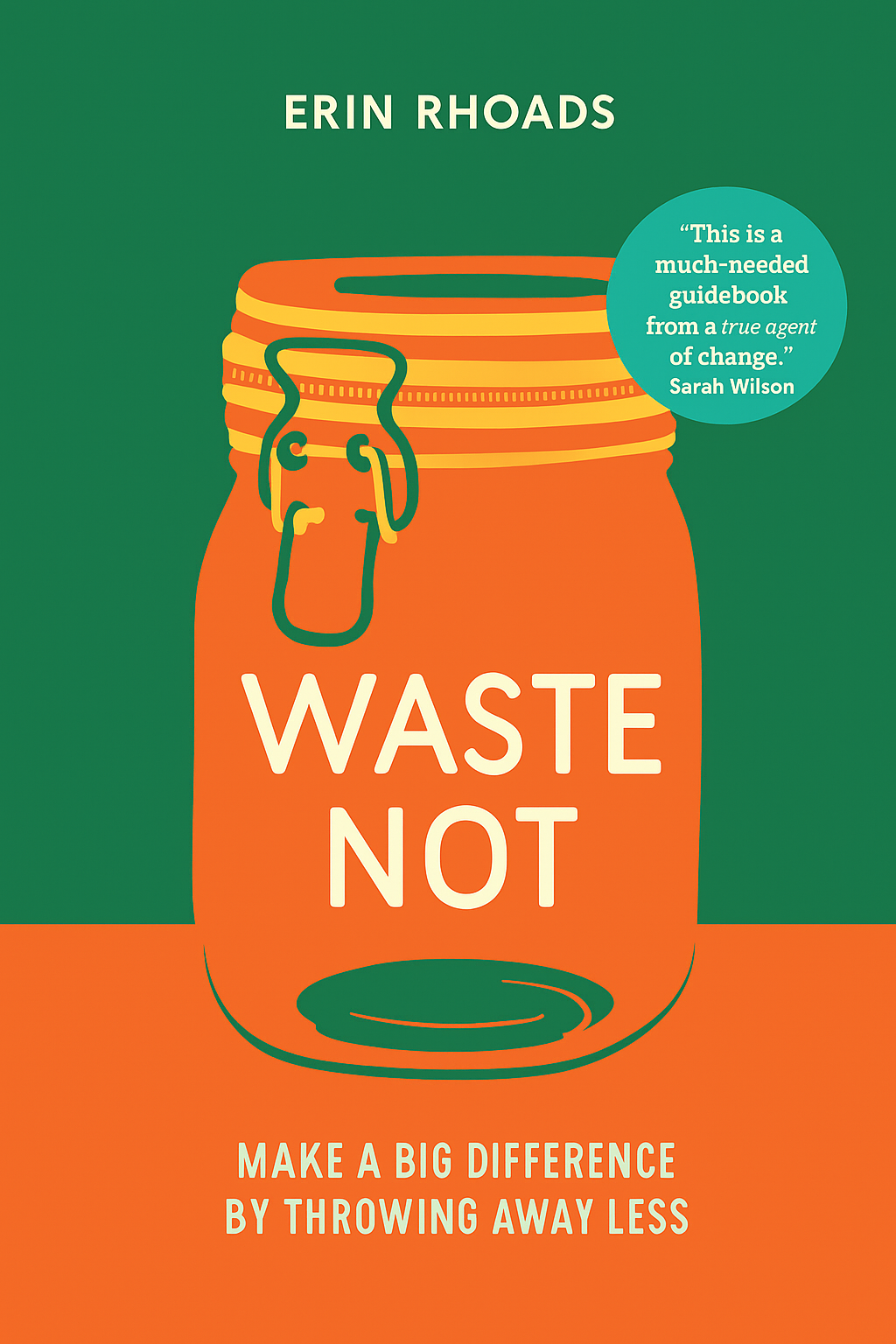
By Erin Rhoads
