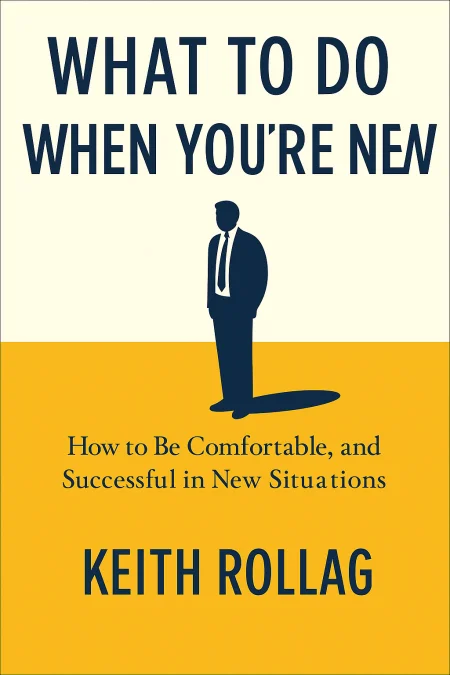
What to Do When You’re New
How to be Comfortable, Confident, and Successful in New Situations
Book Edition Details
Summary
Caught in the grip of unease when stepping into the unknown? You’re not alone. **What to Do When You’re New** peels back the layers of social anxiety, offering a transformative lens through which to view new beginnings. Crafted from the rich tapestry of twenty years of research, Rollag's guide is a beacon for anyone eager to shift from apprehension to assurance. This book is your passport to mastering the art of thriving in unfamiliar territories. Through a blend of relatable narratives and pragmatic exercises, discover the power to vanquish fears, make memorable impressions, and forge connections that transcend first encounters. This isn’t just a guide; it’s your toolkit for transforming trepidation into triumph and embracing the exhilarating potential of every new chapter in life.
Introduction
Whether you're starting a new job, moving to a different city, joining a social group, or taking on any unfamiliar challenge, being new can feel overwhelming. That familiar flutter of anxiety when walking into a room full of strangers, the mental scramble when you can't remember someone's name, or the hesitation before asking what might seem like an obvious question – these moments define our newcomer experience. Yet these very situations hold the keys to our greatest opportunities for growth, connection, and success. The difference between those who thrive in new environments and those who merely survive lies in mastering five fundamental skills that transform uncertainty into confidence and awkwardness into authentic connection.
Master Essential Newcomer Skills
The foundation of newcomer success rests on five critical abilities that determine whether you'll flourish or flounder in unfamiliar territory. These skills – introducing yourself, remembering names, asking questions, starting relationships, and performing new tasks – might seem basic, but they're the building blocks that make everything else possible. Consider Marilyn, a marketing professional who joined a new company and felt overwhelmed by the sea of unfamiliar faces. Instead of waiting for others to approach her, she developed a simple strategy. She created a mental list of key people she needed to meet, prepared thoughtful opening lines, and made it her goal to introduce herself to three new colleagues each day. Within her first week, she had established meaningful connections across departments, gathered valuable insights about company culture, and positioned herself as someone approachable and engaged. What transformed Marilyn's experience wasn't natural charisma or luck – it was her systematic approach to mastering these fundamental skills. She learned that successful introductions aren't about being impressive but about being genuinely interested in others. She discovered that asking thoughtful questions demonstrated respect rather than ignorance, and that most people actually appreciate when newcomers take the initiative to connect. To develop these skills, start by observing your current patterns. Notice when you hesitate to introduce yourself and why. Practice your opening lines before networking events or meetings. Set small, achievable goals like meeting one new person each day rather than trying to connect with everyone at once. Remember that everyone was once new, and most people have genuine empathy for the newcomer experience. Approach each interaction with curiosity rather than fear, and focus on what you can learn about others rather than what they might think about you. The confidence you're seeking will emerge naturally from taking these consistent, small actions.
Build Meaningful Connections Quickly
Creating authentic relationships as a newcomer requires shifting from a self-focused to an other-focused mindset. The most successful newcomers understand that building connections isn't about impressing others with their credentials or accomplishments – it's about making others feel heard, valued, and energized through genuine interest and engagement. Take the example of a new MBA student who initially struggled with social anxiety about fitting into the business school environment. Rather than trying to showcase his expertise or compete for attention, he adopted what he called a "detective mindset." He approached conversations with genuine curiosity about others' backgrounds, interests, and perspectives. He asked follow-up questions, remembered personal details from previous conversations, and looked for ways to connect people with similar interests or complementary skills. This approach transformed his experience completely. Instead of feeling like an outsider trying to break into established circles, he became known as someone who brought people together and made others feel comfortable. His anxiety decreased as he focused on others rather than on his own performance, and he naturally built a diverse network of meaningful relationships that enriched both his academic experience and career prospects. To build connections quickly, start conversations by asking open-ended questions that invite people to share their experiences and perspectives. Listen actively and ask follow-up questions that show you're genuinely engaged. Look for opportunities to be helpful, whether by sharing relevant information, making introductions, or simply offering encouragement and support. Focus on giving energy to others rather than trying to extract it for yourself. People gravitate toward those who make them feel better after an interaction. Practice remembering and using people's names, follow up on things they've shared with you, and look for authentic ways to express appreciation for their insights or assistance.
Overcome Performance Anxiety and Thrive
The fear of looking incompetent or making mistakes in front of new people can paralyze even the most capable individuals. This anxiety often stems from adopting a "being good" mindset rather than a "getting better" mindset, where initial performance feels like a judgment of inherent ability rather than simply a starting point for improvement and learning. One particularly striking example involved a naturally extroverted professional who had no trouble socializing at parties but felt completely intimidated when starting her first CrossFit class. She worried about performing exercises incorrectly in front of experienced participants and feared being judged as weak or unfit. The anticipation was so overwhelming that she nearly avoided the class altogether, despite her genuine desire to learn and improve her fitness. What changed everything was reframing her approach from performing well to learning effectively. She introduced herself to the instructor as a complete beginner, asked for modifications when needed, and focused on proper form rather than keeping up with others. She discovered that other participants were supportive and encouraging, and that her willingness to ask questions and accept guidance actually made a positive impression. By the end of her first month, she looked forward to classes and had developed several friendships with fellow members. When facing performance anxiety, set realistic expectations based on your current skill level rather than comparing yourself to experienced practitioners. Communicate your newcomer status openly – most people appreciate honesty and are more willing to offer support when they know you're learning. Focus on improvement rather than perfection, and treat mistakes as valuable learning opportunities rather than failures. Prepare thoroughly when possible, but don't let the pursuit of perfection prevent you from taking action. Practice self-compassion and remind yourself that everyone starts somewhere. The confidence and competence you're seeking will develop through experience, not through avoiding challenging situations.
Transform Nervousness into Opportunity
Rather than viewing anxiety as an obstacle to overcome, successful newcomers learn to transform nervous energy into fuel for engagement and connection. This shift in perspective – from seeing nervousness as a weakness to recognizing it as natural and potentially useful – can dramatically change your experience in new situations. The story of a naturally introverted individual who dreamed of performing a one-man theatrical show illustrates this transformation powerfully. Despite having no acting experience and being terrified of public speaking, he enrolled in community college acting classes. His first performances were awkward and nerve-wracking, with visible trembling and difficulty staying still on stage. However, instead of letting this discourage him, he used his nervousness as motivation to practice more intensively and seek feedback from instructors and fellow students. Over time, he discovered that his initial nervousness actually helped him connect with audiences who appreciated his vulnerability and authenticity. The energy he once spent trying to hide his anxiety was redirected into preparation, practice, and genuine engagement with others. He not only developed his performance skills but also built a network of supportive relationships within the theater community. His willingness to be seen as a beginner, to ask questions, and to persist through discomfort ultimately led to standing ovations and a completely transformed social life. To transform nervousness into opportunity, start by accepting anxiety as a normal part of growth rather than something to eliminate. Use nervous energy to fuel thorough preparation and engaged participation. When you feel anxious, take it as a signal that you're doing something meaningful and challenging rather than something wrong. Channel nervous energy into curiosity about others and the situation you're entering. Ask yourself what you can learn and how you can contribute rather than focusing solely on how you're being perceived. Remember that most people are more focused on their own concerns than on judging you, and that showing genuine interest in others often reduces self-consciousness naturally.
Summary
The journey from newcomer anxiety to confident engagement isn't about eliminating nervousness or becoming someone you're not – it's about developing the skills and mindset that allow you to connect authentically with others and contribute meaningfully in new environments. As this wisdom reminds us, "You have to get past who you are inside and take more chances. You'll only get used to something if you suck it up and try it." The path forward requires courage, but it's a courage that grows stronger with each small step you take. Start today by choosing one upcoming situation where you'll introduce yourself to someone new, ask a thoughtful question, or offer genuine engagement despite feeling nervous – your future self will thank you for the connections and opportunities that follow.
Related Books
Download PDF & EPUB
To save this Black List summary for later, download the free PDF and EPUB. You can print it out, or read offline at your convenience.
By Keith Rollag
