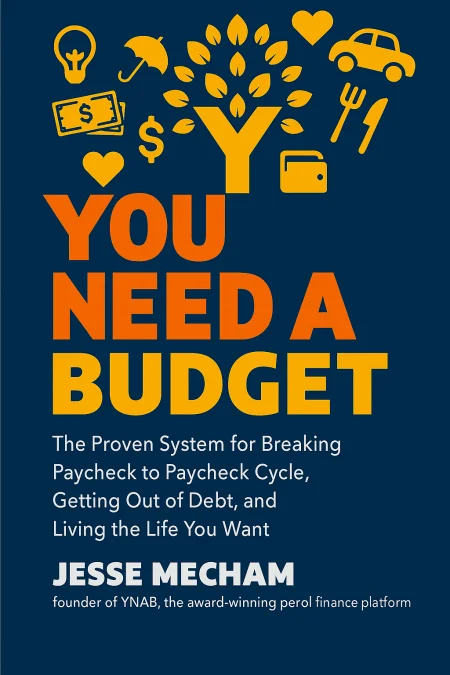
You Need a Budget
The Proven System for Breaking the Paycheck-to-Paycheck Cycle, Getting Out of Debt, and Living the Life You Want
Book Edition Details
Summary
In the realm of financial freedom, "You Need a Budget" stands as a beacon of hope for those tangled in the relentless cycle of living paycheck to paycheck. This transformative guide unveils a refreshing four-rule strategy that doesn't starve your wallet but rather nourishes your goals. With every dollar assigned a purpose, you'll discover how to wrest control from financial chaos, turning unexpected expenses into mere speed bumps rather than roadblocks. Empowerment through budgeting becomes your new mantra, as you learn to navigate life's fiscal twists with ease. This isn't just about money—it's about crafting a life where satisfaction and financial peace walk hand in hand.
Introduction
Money stress isn't really about money at all. It's about feeling out of control, watching dollars slip away without purpose, and constantly wondering if you can afford the life you actually want to live. Every day, you face countless financial decisions that leave you second-guessing yourself. Can I afford this dinner out? Should I be saving more for retirement? Why does it feel like I'm working so hard but never getting ahead? These questions create an exhausting mental loop that steals your peace of mind and keeps you stuck in a cycle of financial anxiety. The truth is, most of us have never learned to make our money work intentionally toward our goals. We earn, we spend, we hope for the best, and then wonder why we feel so stressed about finances despite having decent incomes. But there's a different way to live. When you learn to give every dollar a specific job aligned with your priorities, something magical happens. The stress melts away, replaced by confidence and control. You stop reacting to your money and start directing it. This transformation isn't reserved for financial experts or people with huge incomes. It's available to anyone willing to take an honest look at their finances and commit to a simple but powerful system that puts you firmly in the driver's seat of your financial future.
Give Every Dollar a Job
The foundation of financial control begins with a deceptively simple concept: every dollar that enters your account needs a specific assignment before it can leave. This isn't about restriction or deprivation. It's about being intentional with your money so it serves your highest priorities instead of disappearing into the void of unconscious spending. Alex Hatzenbuhler discovered this power during his first year as a software engineer at Target headquarters. Despite earning a solid salary, he felt constantly uncertain about his finances. He was scared to set up automatic bill payments because he never knew if enough money would be in his account. His solution was a complex system of Google Calendar reminders to manually pay his four different credit cards each month. Even though he always paid his balances in full, the mental juggling act was exhausting. Alex was saving about 15% of his income, which seemed respectable, but he had a nagging feeling he could do better if he just understood where his money was actually going. After implementing this first rule, Alex's financial picture transformed dramatically. Within six months, he jumped from saving 15% to saving 70% of his take-home pay. The secret wasn't earning more money or living on ramen noodles. He simply started thinking about his spending decisions before making them. When he looked back at his credit card statements to understand his previous patterns, he was shocked to discover he'd been spending $450 per month eating out without even realizing it. Once he became conscious of this pattern and gave those dollars more intentional jobs, reducing that expense to around $142 per month felt natural, not restrictive. The key is starting with your survival needs, then moving to your true priorities. Begin by ensuring you have enough set aside for rent, utilities, groceries, and minimum debt payments. Then ask yourself what you want your remaining money to accomplish. Maybe it's building an emergency fund, saving for a vacation, or paying extra toward debt. The specific goals matter less than the fact that you're making conscious decisions about every dollar's purpose before you spend it. Remember that this process reveals the finite nature of money, which initially feels uncomfortable but ultimately becomes liberating. When you see that you have limited resources, you naturally become more selective about how you use them. This apparent scarcity actually creates abundance because you stop wasting money on things that don't matter to you and start directing it toward what does.
Embrace Your True Expenses
Your monthly budget captures only a fraction of your real expenses. Beyond rent, utilities, and groceries lie dozens of costs that arrive irregularly but inevitably, catching you off guard and derailing your financial progress. These true expenses include everything from car maintenance and holiday gifts to annual insurance premiums and medical bills. The key to financial stability is transforming these unpredictable financial earthquakes into manageable monthly savings goals. Matthew Ricci learned this lesson when planning his wedding. He and his fiancée Allie had started a shared budget to coordinate their combined expenses, but Allie remained skeptical about whether budgeting would actually make their lives easier. When a destination wedding invitation arrived six months before the event, Matthew saw an opportunity to demonstrate the power of planning ahead. He estimated the trip would cost $1,000 total, then broke this into six monthly installments of about $167 each. They quietly funneled this amount into their travel budget without feeling any financial strain. Six months later, as Matthew and Allie relaxed at their friends' wedding, sipping drinks and enjoying the celebration, the full $1,000 sat waiting in their account, ready to be spent guilt-free. Allie watched the money appear as if by magic, even though they had been steadily building it for months. This moment created what Matthew called "the click" in Allie's understanding. She finally grasped how planning ahead could eliminate financial stress and make large expenses feel effortless. To implement this strategy, examine your past year's spending to identify patterns in irregular expenses. Look for insurance premiums, holiday shopping, car repairs, gifts for weddings and birthdays, and seasonal costs like higher utility bills. Even if you can't predict the exact timing or amount, you know these expenses will occur. Start by calculating annual amounts for each category, then divide by twelve to create monthly savings targets. Begin with the expenses that cause you the most stress when they appear unexpectedly. The magic happens when you stop being surprised by predictable patterns. Your car insurance bill transforms from a budget crisis into a routine payment you've already prepared for. Holiday shopping becomes enjoyable rather than stressful because you've been setting aside money all year. This approach doesn't just save money; it saves mental energy and eliminates the feast-or-famine cycle that keeps so many people trapped in financial anxiety.
Roll with the Punches
Rigidity is the enemy of sustainable budgeting. Life rarely unfolds according to our carefully crafted plans, and your budget must be flexible enough to adapt to reality without breaking. The ability to adjust your spending plan when circumstances change isn't a sign of failure. It's evidence that you're budgeting in the real world rather than in a theoretical vacuum. Tracy and Dan Kellermeyer had just finished paying off $50,000 in consumer debt and saving $25,000 for their wedding when life threw them a curveball. Seven months after their debt-free wedding, Tracy lost her job, cutting their household income by 40%. The devastating news could have derailed their financial progress and sent them spiraling back into debt. Instead, their budgeting foundation gave them the flexibility to weather this major storm without panic. Rather than depleting their emergency fund, Tracy and Dan made strategic adjustments across multiple budget categories. They stopped putting $2,000 per month into savings, cut their personal spending money in half, and reduced expenses in entertainment, restaurants, and clothing without creating shock in any single area. They sold Tracy's car since Dan worked from home and they could share his vehicle, eliminating car insurance, gas, and payment expenses. Tracy shopped at secondhand stores when she needed clothing and borrowed dresses from her sister for special occasions. These adjustments allowed them to maintain their standard of living without touching their emergency fund. The key to successful budget adjustment lies in viewing your spending plan as a living document rather than a rigid contract. When you overspend in one category or encounter an unexpected expense, immediately identify which other categories can contribute money to cover the shortfall. This isn't cheating or failing; it's actively managing your finances in real time. You remain accountable to your overall financial limits while maintaining the flexibility to respond to changing circumstances. Think of budgeting like playing chess. Masters constantly adapt their strategy based on their opponent's moves rather than stubbornly following a predetermined plan. Your budget should evolve the same way, responding to life's unexpected moves while keeping you focused on your ultimate financial goals. This flexibility actually strengthens your financial position because you learn to make conscious trade-offs rather than abandoning your system entirely when things don't go as planned.
Summary
True financial freedom isn't about having endless money. It's about having complete clarity and control over the money you do have. When you give every dollar a specific job, prepare for irregular expenses, and remain flexible when life changes course, you transform from a passive observer of your finances into an active director of your financial destiny. As one practitioner discovered, "I never feel like I need a paycheck. Of course I'll always take it, but I'm not relying on the next paycheck to live, or even the next four paychecks. Even being a single paycheck ahead relieves so much stress and worry from day-to-day life." The path forward is surprisingly simple: look at your bank account balance right now and assign a specific purpose to every dollar you currently possess. Start with your most pressing obligations, then move to your highest priorities. Don't wait for the perfect moment or a bigger paycheck. Begin today with whatever you have, because the skills you develop managing small amounts of money will serve you regardless of how much your income grows in the future.
Related Books
Download PDF & EPUB
To save this Black List summary for later, download the free PDF and EPUB. You can print it out, or read offline at your convenience.

By Jesse Mecham
