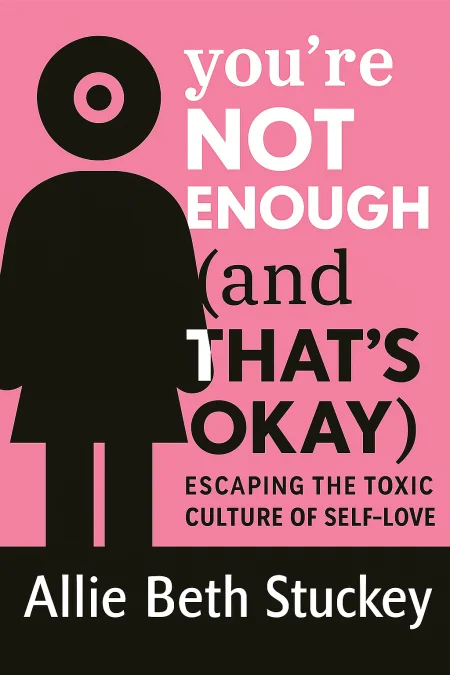
You're Not Enough (And That's Okay)
Escaping the Toxic Culture of Self-Love
Book Edition Details
Summary
In a world awash with the siren call of self-love, many find themselves shipwrecked on the rocky shores of inadequacy. Allie Beth Stuckey dares to question the cultural mantra that promises fulfillment through self-obsession. Her incisive examination reveals the hollow echo within our hearts, where self-improvement morphs into a ceaseless chase that leads to nowhere. This book is a clarion call to abandon the relentless pursuit of self-perfection and embrace a more profound love—one that offers true solace and strength. With a keen eye, Stuckey dismantles the myths spun by modern narcissism and lays bare the liberating truth of divine love. She invites readers to find peace not in self-affirmation, but in the unwavering acceptance found in faith. A transformative read for anyone tired of the self-love treadmill, this work offers an empowering alternative to the empty promises of a culture obsessed with being "enough."
Introduction
Contemporary culture has embraced an unprecedented obsession with self-affirmation, positioning individual sufficiency as the ultimate solution to life's challenges. This mindset permeates everything from social media mantras to therapeutic approaches, promising that inner confidence and self-acceptance will unlock personal fulfillment and success. Yet despite decades of self-esteem focused psychology and an entire generation raised on positive reinforcement, rates of depression, anxiety, and existential emptiness continue to climb. The disconnect between promised outcomes and lived reality suggests something fundamental about this approach may be flawed. The central argument challenges five pervasive myths that form the foundation of modern self-love ideology. Rather than accepting these beliefs at face value, a rigorous examination reveals how they create unrealistic expectations and ultimately undermine the very confidence they claim to build. The analysis draws from theological principles, psychological research, and practical observation to demonstrate why self-sufficiency cannot serve as both problem and solution simultaneously. Through systematic deconstruction of each myth, readers discover how external sources of truth and meaning provide more stable foundations for genuine contentment than internal validation ever could.
The Five Myths of Toxic Self-Love Culture
Modern self-love culture rests upon five foundational myths that promise empowerment but deliver confusion. The first myth declares individual sufficiency as an achievable state, suggesting people possess everything needed for fulfillment within themselves. This creates an impossible burden, as finite beings attempt to provide infinite validation for their own worth. The second myth grants individuals authority over truth itself, making personal feelings and experiences the ultimate arbiters of reality. Such relativism inevitably leads to contradictions and moral chaos when competing truths collide. The third myth presents perfection as an inherent human quality merely waiting to be recognized and embraced. This paradoxically increases pressure to achieve an impossible standard while simultaneously claiming that standard already exists. The fourth myth transforms desires into entitlements, fostering resentment when reality fails to align with personal expectations. Dreams become demands rather than hopes, creating a worldview where disappointment feels like injustice. The fifth myth positions self-love as a prerequisite for loving others, reversing the natural human capacity for sacrifice and service. This creates endless delay in meaningful relationships while individuals pursue an elusive internal state that may never arrive. Each myth reinforces the others, creating a closed system that promises everything while delivering emptiness. The appeal lies in their surface plausibility and the temporary relief they provide from acknowledging human limitations. Together, these myths form a comprehensive worldview that places the self at the center of existence, making individual happiness the highest good. However, this framework collapses under the weight of its own contradictions, leaving adherents more isolated and dissatisfied than before they began their journey of self-discovery.
Biblical Truth vs. Personal Truth and Self-Determination
The concept of personal truth fundamentally contradicts the existence of objective reality and moral standards that transcend individual experience. When people claim authority to determine truth based on feelings or personal experiences, they create a chaotic system where contradictory claims must somehow coexist as equally valid. This relativistic approach proves practically unworkable in areas requiring clear moral guidance, such as relationships, justice, and life decisions. The resulting confusion leaves individuals without reliable foundations for important choices. Biblical truth operates on entirely different principles, presenting objective standards that exist independently of human opinion or cultural trends. These standards derive their authority not from popular consensus or personal preference, but from the character of an unchanging Creator who transcends temporal circumstances. This provides stability in a world where social norms and individual feelings constantly shift. The reliability of such truth allows for confident decision-making even when outcomes remain uncertain. The contrast becomes evident in practical applications. Personal truth changes with circumstances, mood, and social pressure, offering no consistent guidance for navigating complex situations. It often serves convenience rather than wisdom, allowing individuals to rationalize destructive choices by claiming authenticity. Biblical truth may demand difficult decisions that conflict with immediate desires, but it consistently leads toward genuine flourishing rather than temporary satisfaction. Modern culture's embrace of self-determination as the highest value creates a society where individuals become isolated arbiters of their own meaning and morality. This burden proves too heavy for finite beings to bear successfully. The alternative involves surrendering the illusion of absolute autonomy in exchange for guidance from a source of wisdom that transcends human limitations and cultural biases.
The Dangers of Self-Worship in Modern Society
Self-worship manifests in contemporary culture through the elevation of personal preferences, feelings, and desires to the level of ultimate authority. This transformation creates a society where individual satisfaction becomes the primary measure of moral goodness, leading to the breakdown of shared values and social cohesion. When everyone serves as their own god, no common ground exists for resolving disputes or establishing justice. The result is increasing polarization and the weaponization of subjective experience against objective standards. The political realm demonstrates these dangers through identity politics and cancel culture, where group grievances override principles of fairness and due process. Social justice movements often prioritize equal outcomes based on perceived oppression rather than equal treatment under consistent standards. This approach creates new forms of discrimination while claiming to eliminate old ones. The lack of transcendent moral authority makes it impossible to distinguish between legitimate calls for justice and manipulative power grabs. Personal relationships suffer when individuals prioritize authenticity and autonomy above commitment and sacrifice. Marriage rates decline as people delay commitment in pursuit of self-discovery, while parenting becomes viewed as a lifestyle choice rather than a sacred responsibility. The contraceptive mentality extends beyond reproductive choices to encompass all areas where others might make legitimate claims on individual freedom. Children, elderly parents, and community members become burdens rather than opportunities for meaningful service. The worship of self ultimately proves self-defeating because finite beings cannot bear the weight of infinite responsibility for meaning and purpose. The promised freedom becomes a form of slavery to constantly changing desires and fears. Without external sources of truth and value, individuals remain trapped in cycles of anxiety and dissatisfaction that no amount of self-care can resolve. True liberation requires acknowledging human limitations and seeking fulfillment beyond the boundaries of the self.
God's Love as the Foundation for Loving Others
Divine love provides the stable foundation that human self-love cannot supply for genuine relationships with others. Unlike the conditional and fluctuating nature of self-regard, which depends on performance, circumstances, and emotional states, God's love remains constant regardless of external factors. This reliability creates security that enables individuals to love others sacrificially without fear of depleting their own emotional resources. The inexhaustible nature of divine love means giving to others actually increases rather than diminishes personal fulfillment. The command to love others as ourselves assumes that self-love already exists naturally as part of human nature. People instinctively protect their own interests, justify their own actions, and seek their own comfort and happiness. The challenge lies not in developing self-love but in extending that same protective care and generous interpretation to others. This requires supernatural empowerment that comes from experiencing unconditional acceptance from a perfect source. True love for others manifests as consistent choice rather than fluctuating emotion. It involves seeking another's genuine good even when doing so requires personal sacrifice or discomfort. This kind of love becomes possible only when individuals find their identity and security in something more reliable than their own changeable feelings about themselves. The love of God provides that anchor point, enabling people to serve others without constantly calculating personal costs and benefits. The practical implications transform every relationship and social interaction. Marriage partners can work through difficulties without threatening to abandon the relationship when feelings fade. Parents can sacrifice for their children's long-term benefit rather than pursuing temporary peace. Community members can contribute to common good even when individual interests might suggest other priorities. This creates the foundation for functional societies and meaningful human connections that endure beyond initial enthusiasm or mutual convenience.
Summary
The core insight emerging from this analysis reveals that human attempts at self-sufficiency inevitably fail because finite beings cannot serve as their own source of infinite meaning, purpose, and validation. The five myths of self-love culture create impossible expectations that leave adherents more frustrated and isolated than before they began their journey of self-improvement. True contentment requires the humility to acknowledge personal limitations and seek fulfillment from sources beyond individual capacity. This counterintuitive approach proves more practical and sustainable than endless cycles of self-affirmation that promise everything while delivering disappointment. The alternative involves embracing dependence on transcendent truth and love as the pathway to genuine freedom and lasting satisfaction.
Related Books
Download PDF & EPUB
To save this Black List summary for later, download the free PDF and EPUB. You can print it out, or read offline at your convenience.
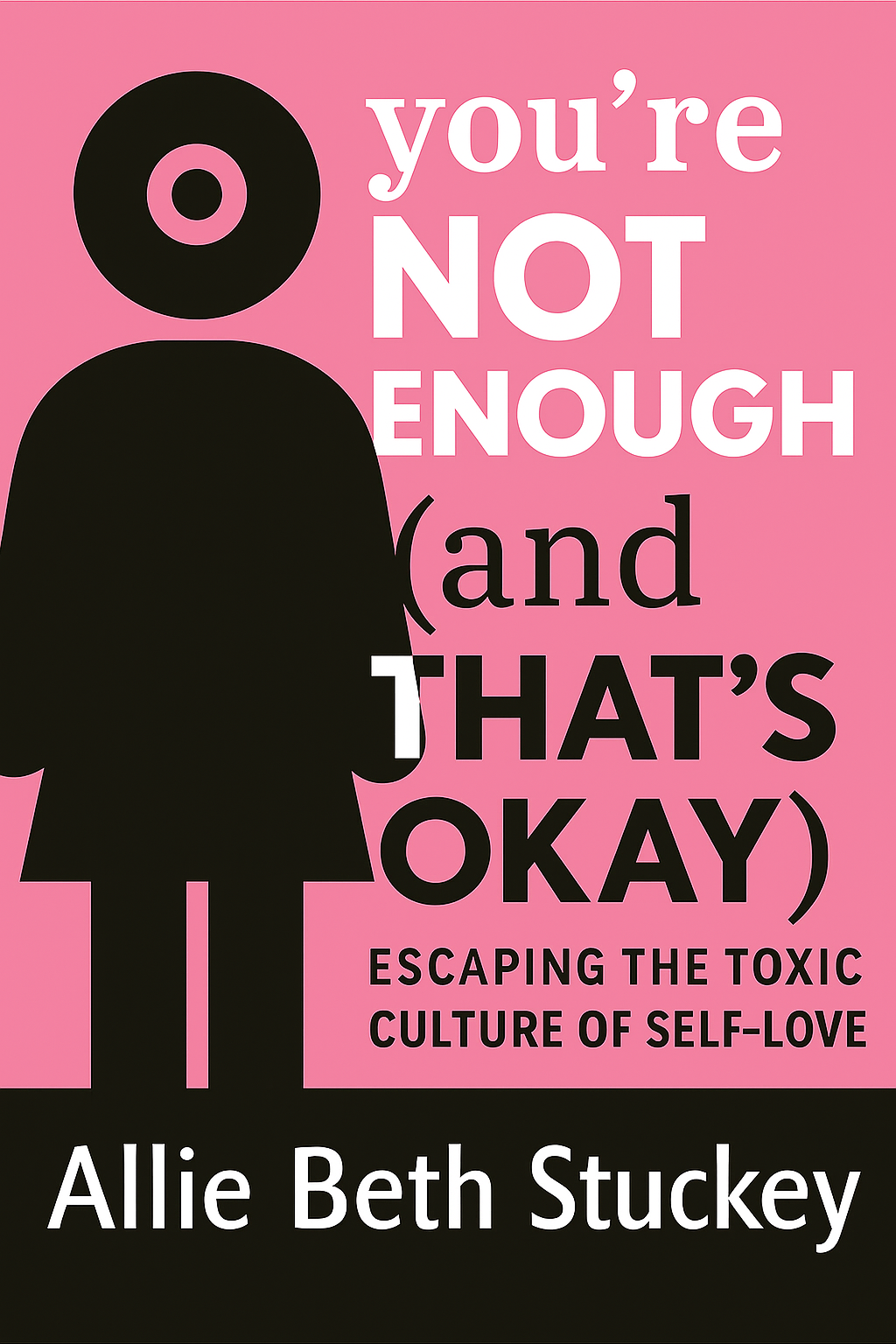
By Allie Beth Stuckey
