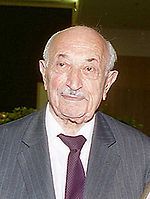
Simon Wiesenthal
Simon Wiesenthal, a figure of profound historical significance, was an Austrian-Jewish architectural engineer whose life was irrevocably transformed by the harrowing experiences of World War II. Enduring the horrors of concentration camps such as Janowska, Plaszow, and Mauthausen, Wiesenthal emerged as an indefatigable Nazi hunter, committed to ensuring that those responsible for the heinous war crimes were held accountable. In 1947, he co-founded the Jewish Historical Documentation Center in Linz, Austria, a pivotal institution for collating evidence for future war crime trials. His relentless pursuit of justice and his dedication to documenting the Holocaust have left an indelible mark on history. Among Wiesenthal’s influential works is "The Sunflower: On the Possibilities and Limits of Forgiveness," a contemplative exploration of a profound moral dilemma he faced during his imprisonment. This book has sparked extensive debate and reflection, inviting readers to grapple with the complexities of forgiveness in the shadow of atrocity. While some critiques, such as those by Guy Walters, suggest that Wiesenthal's accounts may contain exaggerations, the compelling narrative and ethical inquiries presented in his writing continue to resonate deeply, ensuring its place in the canon of Holocaust literature. Wiesenthal's literary style is characterized by its unflinching honesty and moral introspection, engaging readers in a dialogue about justice, memory, and humanity. His contributions extend beyond literature into the realms of historical documentation and human rights advocacy, as evidenced by institutions like the Simon Wiesenthal Center in Los Angeles, which perpetuates his legacy. Though his life and work serve as a testament to the enduring importance of truth and remembrance, they also remind us of the complex nature of historical narratives. Wiesenthal passed away at the age of 96 in Vienna, leaving behind a daughter, Paulinka Kriesberg, and three grandchildren, along with a world more cognizant of the past due to his efforts.


by Paul J. Zak
by Rory Vaden
by Robert C. Solomon, Fernando Flores
by Brett Gardner
by Dennis S. Reina
by Julian Baggini
by Larry Downes, Omar Abbosh, Paul Nunes
by Jacqueline Woodson
by Kevin Oakes
by Lindsey Pollak, Kimberly B. Cummings, Kimberly Brown
