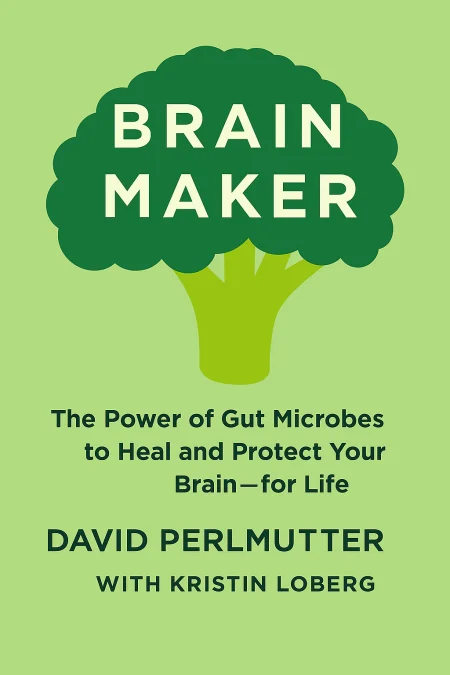
Brain Maker
The Power of Gut Microbes to Heal and Protect your Brain – for Life
byDavid Perlmutter, Kristin Loberg
Book Edition Details
Summary
In a world where the gut is the unsung hero of the human body, Dr. Perlmutter's "Brain Maker" reveals a groundbreaking truth: your brain's fate is woven deep within your microbiome. As modern society grapples with rising brain disorders, this book uncovers the astonishing link between your intestinal health and cognitive well-being. Dr. Perlmutter, renowned for his insights, crafts a narrative that transforms complex science into practical wisdom. He guides readers through the birth and evolution of the microbiome, highlighting how its state can influence everything from dementia to ADHD. With a powerful six-step program, he offers simple, life-altering strategies to nurture your gut and, consequently, reshape your brain's future. "Brain Maker" isn't just a book; it's a manifesto for a healthier, brighter mind, built from the inside out.
Introduction
Have you ever wondered why you get "butterflies" in your stomach when nervous, or why certain foods seem to affect your mood? The answer lies in one of the most remarkable discoveries in modern science: your gut is home to trillions of bacteria that directly control your brain function, emotions, and mental health. For generations, we've treated the brain as an isolated command center, separate from the rest of our body. But groundbreaking research reveals that the 100 trillion microorganisms living in your digestive system are actively manufacturing the same chemicals found in your brain, influencing everything from your happiness levels to your risk of developing Alzheimer's disease. These microscopic inhabitants don't just help digest your lunch—they produce 95 percent of your body's serotonin, the neurotransmitter that regulates mood and sleep. They control inflammation throughout your body, strengthen or weaken your immune system, and even determine which genes get activated in your cells. When your gut bacteria thrive, your mind thrives. When they're disrupted by antibiotics, processed foods, or chronic stress, the consequences extend far beyond digestive problems. You'll discover how modern life has declared war on these beneficial microbes, creating epidemics of depression, anxiety, and dementia that were virtually unknown in our ancestors. Most importantly, you'll learn how simple changes to your diet and lifestyle can restore this ancient partnership and unlock your brain's full potential for health, happiness, and cognitive performance.
The Second Brain: Neural Networks in Your Gut
Your digestive system contains more neurons than your spinal cord—over 500 million nerve cells that form what scientists call the enteric nervous system, or your "second brain." This vast neural network operates semi-independently from your head brain, processing information, making decisions, and communicating directly with your central nervous system through the vagus nerve, a biological superhighway that carries signals in both directions. When researchers cut this nerve in laboratory studies, the mood-boosting effects of beneficial bacteria disappeared entirely, proving that gut microbes literally talk to your brain through dedicated neural pathways. What makes this connection truly extraordinary is that your gut bacteria are the puppet masters orchestrating this communication. These microscopic organisms produce the exact same neurotransmitters found in your brain—serotonin, dopamine, GABA, and norepinephrine. In fact, your gut manufactures more serotonin than your brain does, with specific bacterial strains like Enterococcus and Streptococcus serving as biological factories for this crucial mood-regulating chemical. When beneficial bacteria flourish, they pump out compounds that promote feelings of well-being, reduce anxiety, and enhance cognitive function. When harmful bacteria dominate, they release inflammatory toxins that can breach your gut's protective barrier and travel directly to your brain. This bacterial influence extends to your personality and behavior in ways that would have seemed impossible just decades ago. Studies show that people with different gut bacterial compositions exhibit distinct personality traits, stress responses, and even food preferences. Mice raised without any gut bacteria display abnormal social behavior and impaired memory formation, but when researchers introduce specific bacterial strains, normal brain function returns. The implications are staggering: your thoughts, emotions, and decision-making processes are being shaped every moment by the microscopic ecosystem living within you. The gut-brain axis also explains mysterious connections between digestive and neurological disorders. Children with autism frequently suffer from severe gastrointestinal problems, while people with depression commonly experience irritable bowel syndrome. Parkinson's disease often begins with constipation years before motor symptoms appear. These aren't separate conditions—they're different manifestations of the same underlying disruption in gut-brain communication, revealing how intimately connected our mental and digestive health truly are.
Microbial Disruption: Modern Threats to Brain Health
Our ancestors lived in harmony with diverse microbial communities that supported robust mental health well into old age, but modern life has created a perfect storm of factors that devastate these beneficial bacteria. The result is a generation experiencing unprecedented rates of depression, anxiety, ADHD, and dementia—conditions that were rare in traditional societies with intact microbiomes. Understanding these threats is crucial because each assault on our gut bacteria reverberates directly through our nervous system, affecting mood, memory, and cognitive function. Antibiotics represent perhaps the greatest threat to our microbial allies. While life-saving when truly necessary, these drugs act like carpet bombs in the gut, wiping out beneficial bacteria along with harmful pathogens. A single course of broad-spectrum antibiotics can eliminate up to 90 percent of gut bacteria, and recovery may take months or years. The average child receives multiple antibiotic courses before age two, permanently altering their microbial landscape during the critical period when their immune system and brain are developing. Each round reduces bacterial diversity and leaves the gut vulnerable to colonization by inflammatory species that promote neurological dysfunction. Our modern food supply compounds this microbial destruction through ingredients specifically designed for shelf stability rather than human health. Processed foods contain emulsifiers, preservatives, and artificial sweeteners that selectively kill beneficial bacteria while feeding harmful ones. High-fructose corn syrup, now ubiquitous in processed foods, promotes the growth of inflammatory bacterial species and damages the intestinal lining. Even gluten, found in wheat and countless processed products, increases intestinal permeability in all humans by triggering the release of zonulin, a protein that opens gaps between intestinal cells and allows bacterial toxins to leak into the bloodstream. Environmental toxins add another layer of microbial devastation that our ancestors never faced. Chlorinated tap water, designed to kill bacteria, doesn't distinguish between harmful pathogens and beneficial gut microbes. Pesticides and herbicides, particularly glyphosate found in Roundup, disrupt bacterial communities and may contribute to rising rates of neurological disorders. Household chemicals, personal care products, and even food packaging contain compounds that alter our microbiome composition. The cumulative effect is a dramatic loss of microbial diversity that correlates directly with increased rates of mental health disorders, cognitive decline, and neurodegenerative diseases.
From Depression to Dementia: Bacterial Roots of Brain Disease
The connection between gut bacteria and brain disorders becomes undeniable when examining the epidemic of neurological conditions plaguing modern society. Depression, now the leading cause of disability worldwide, isn't simply a chemical imbalance in the brain—it's an inflammatory disease that begins in the gut. People with depression consistently show elevated levels of lipopolysaccharide, a toxic compound released by harmful gut bacteria that triggers widespread inflammation when it breaches the intestinal barrier. This inflammatory cascade reaches the brain, where it disrupts neurotransmitter production and damages the neural circuits responsible for mood regulation. The gut-depression connection explains why digestive problems so often accompany mental health issues. When researchers inject healthy volunteers with substances that increase inflammation, they develop classic symptoms of depression within hours—fatigue, loss of interest, and negative thinking patterns. Conversely, when people consume specific probiotic strains, their mood improves and brain scans show reduced activity in regions associated with negative emotions. The bacteria literally control the brain's emotional processing centers through their effects on inflammation and neurotransmitter production. Alzheimer's disease, perhaps the most feared neurological condition, also has deep roots in gut dysfunction. The brains of Alzheimer's patients contain three times higher levels of bacterial toxins than healthy controls, indicating that compounds from a compromised gut are directly damaging brain tissue. The same inflammatory processes that begin with microbial imbalance eventually lead to the protein tangles and plaques characteristic of dementia. This explains why people with diabetes—a condition strongly linked to gut bacterial imbalances—have double the risk of developing Alzheimer's disease, and why certain probiotic strains show promise in slowing cognitive decline. Even childhood disorders like ADHD and autism spectrum conditions reveal clear connections to gut health. Children with these conditions almost universally have disrupted microbiomes, often stemming from cesarean births, limited breastfeeding, and early antibiotic exposure. Their gut bacteria produce excessive amounts of compounds like propionic acid, which can cross into the brain and trigger the repetitive behaviors, social difficulties, and attention problems associated with these conditions. When these children receive treatments that restore healthy gut bacteria, many show remarkable improvements in behavior, communication, and cognitive function—transformations that would be impossible if these were purely genetic brain disorders.
Healing Your Microbiome: Science-Based Brain Recovery
The remarkable plasticity of the human microbiome offers tremendous hope for preventing and even reversing brain disorders. Unlike your genetic code, which remains largely fixed throughout life, your gut bacteria can be completely transformed within days through targeted interventions. Research demonstrates that significant changes in microbial composition occur within just six days of dietary modifications, and these shifts directly translate into improvements in mood, cognitive function, and neurological health. This means you have the power to reshape your brain's destiny through conscious choices about how you nourish your microbial partners. The foundation of microbiome restoration lies in embracing foods that have sustained human health for millennia. Fermented foods like sauerkraut, kimchi, kefir, and yogurt deliver billions of live beneficial bacteria directly to your gut, along with the beneficial compounds they produce during fermentation. These traditional foods offer a more natural and sustainable approach to probiotic supplementation than pills alone. Equally important are prebiotic foods—vegetables like garlic, onions, leeks, and asparagus that contain special fibers that selectively feed beneficial bacteria while starving harmful species. A diet rich in diverse plant foods provides the raw materials your gut bacteria need to manufacture neurotransmitters and anti-inflammatory compounds. Eliminating gut-damaging substances proves equally crucial for lasting recovery. This means avoiding unnecessary antibiotics, dramatically reducing consumption of processed foods and added sugars, and choosing organic produce when possible to minimize pesticide exposure. Gluten elimination often produces remarkable improvements in gut health and neurological symptoms, even in people without diagnosed celiac disease. Simple changes like filtering drinking water to remove chlorine and other chemicals can help protect your bacterial communities from daily assault. Strategic supplementation can accelerate the healing process when chosen wisely. High-quality probiotic supplements containing specific strains like Lactobacillus helveticus and Bifidobacterium longum have been shown in clinical trials to reduce anxiety, improve mood, and enhance cognitive performance. Omega-3 fatty acids support the anti-inflammatory environment beneficial bacteria need to flourish, while vitamin D helps regulate immune function and gut barrier integrity. For severely compromised microbiomes, emerging treatments like fecal microbial transplantation offer the possibility of completely resetting the gut ecosystem, with dramatic improvements in neurological function that demonstrate just how profoundly our microbial partners influence our mental health and cognitive abilities.
Summary
The most revolutionary insight from understanding the gut-brain connection is that your mental health and cognitive destiny are not predetermined by your genes, but actively shaped every day by the microscopic community living within you. This represents a fundamental shift from viewing neurological disorders as incurable brain diseases to understanding them as potentially reversible consequences of gut dysfunction. Your bacteria don't just influence your digestion—they're manufacturing your neurotransmitters, controlling your inflammation levels, and determining your brain's resilience against age-related decline. As we develop personalized microbiome therapies and learn to harness specific bacterial strains for mental health, how might this transform our approach to treating depression, preventing dementia, and optimizing cognitive performance? The emerging field of psychobiotics suggests we're entering a new era where the path to a healthy mind runs directly through a healthy gut, offering hope for millions suffering from conditions once thought to be purely psychological or genetic.
Related Books
Download PDF & EPUB
To save this Black List summary for later, download the free PDF and EPUB. You can print it out, or read offline at your convenience.
By David Perlmutter
