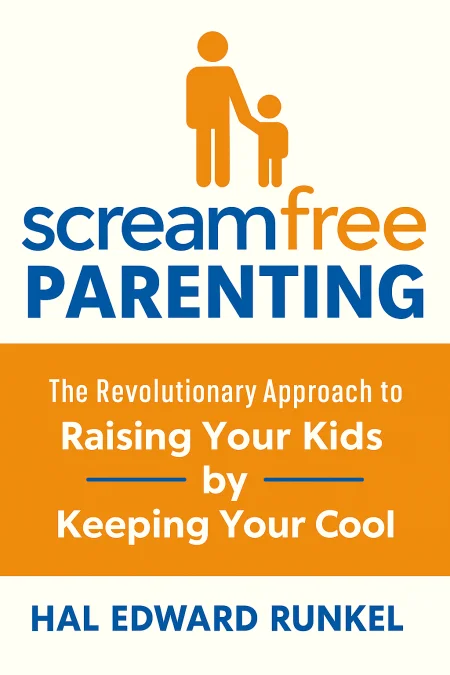
Screamfree Parenting
The Revolutionary Approach to Raising Your Kids by Keeping Your Cool
Book Edition Details
Summary
Parenting is a symphony, but too often, our own emotional crescendos drown out the melody. "ScreamFree Parenting" invites you to transform discord into harmony by shifting the focus from controlling your children to mastering your own reactions. The true revolution begins not with a louder voice, but with a quieter mind, reshaping family dynamics by embracing calm and connection. Reject the cycle of blame and reactivity; instead, nurture a family culture rooted in respect and understanding. This isn't about kids; it's about adults reclaiming their maturity and, in turn, fostering an environment where children naturally thrive. Forge a new path toward serene, meaningful relationships, where every interaction builds trust and teaches resilience. Discover the power within you to inspire change, starting tonight, one peaceful choice at a time.
Introduction
Every parent knows that overwhelming moment when your child's behavior triggers an emotional explosion within you, leaving everyone feeling worse than before. Whether it's a toddler's tantrum in a restaurant, a teenager missing curfew, or the daily battles over homework and chores, these challenging moments test our patience and push us to our limits. What if the secret to transforming these difficult interactions wasn't found in controlling your children's behavior, but in mastering your own emotional responses? This revolutionary approach challenges everything we've been taught about effective parenting. Instead of focusing on techniques to manage our kids, we discover the profound power of managing ourselves first. When we learn to remain calm and connected during our children's most challenging moments, something remarkable happens. We create the space our children need to grow into self-directed, responsible adults while building the trusting, respectful relationships we've always dreamed of having with them.
Parenting Is About Parents, Not Kids
The most challenging truth in parenting is that the greatest thing you can do for your children is learn to focus on yourself. This concept may initially feel uncomfortable or even selfish, but it represents a fundamental shift from being responsible for your children to being responsible to them. The difference is life-changing. Consider the story of a father at Waffle House with his young son Brandon. The morning had already been stressful, and when Brandon threw his waffle plate on the floor, his father's anxiety took over. In front of a restaurant full of people, this father found himself yelling at his two-year-old son, completely losing his composure. The most humbling detail? He was wearing a paper Waffle House hat throughout the entire meltdown, having forgotten to remove it after trying to entertain his children earlier. This father's experience illustrates our biggest enemy as parents: emotional reactivity. When we get reactive, we get regressive, shrinking back to an immature level of functioning. We cannot have any influence on our children's decision-making if we don't have influence over our own reactions. The path forward begins with recognizing that we are responsible to our children for how we behave, regardless of how they choose to behave. This means taking ownership of our emotional responses and refusing to let our children's behavior determine our reactions. When you can remain calm during your child's storm, you become the steady, reliable authority they desperately need. Start by identifying your emotional triggers and creating a pause before responding. Take three deep breaths, remind yourself that your child's behavior is not a reflection of your worth as a parent, and choose your response based on your principles rather than your anxiety.
Create Space While Keeping Your Cool
Creating space for our children means honoring their need for emotional and physical territory to grow into self-directed individuals. This doesn't mean abandoning structure or becoming permissive, but rather respecting their journey toward independence while maintaining our role as loving guides. A coaching client discovered this principle when struggling with her eight-year-old daughter's messy room. Instead of the usual battles and threats, the mother tried a different approach. When her daughter complained about having to clean her room, the mother calmly responded that it was her daughter's room and she didn't have to clean it if she didn't want to. Confused by this unexpected response, the daughter asked what would happen if she chose not to clean. The mother explained that the choice was entirely her daughter's, but asked a simple question: "Do you want it clean?" When her daughter admitted she liked knowing where everything was, her mother suggested she clean it then, offering help if wanted. The daughter initially protested about the time it would take, but when her mother walked away without engaging in the power struggle, something shifted. Two days later, the room wasn't spotless, but it was organized, and most importantly, the little girl was incredibly proud of her accomplishment. She had taken ownership of her space and made the choice herself. Begin respecting your children's space by knocking before entering their rooms, allowing them to have opinions that differ from yours, and resisting the urge to solve every problem for them. Create opportunities for them to make age-appropriate choices and experience the natural consequences of those decisions.
Set the Table with Calm Authority
Setting the table means establishing a family structure where everyone knows their place while feeling secure and valued. This requires balancing the personal side of parenting, filled with fun and connection, with the business side that includes rules, consequences, and expectations. A divorced father named Jim struggled with this balance, wanting to be the fun parent while avoiding conflict during his limited time with his daughters. His reluctance to enforce rules led to a pattern where he would plead for compliance, then explode when boundaries were crossed, followed by guilt that caused him to abandon any consequences entirely. Everything changed when Jim learned to separate the business from the personal. One weekend, he noticed his daughter's bike left in the driveway instead of stored in the garage as agreed. Rather than getting angry or quietly moving it himself, Jim calmly explained the choice to his daughter: she could put the bike away and keep it for next time, or leave it outside and he would donate it to Goodwill in the morning. His daughter chose to test this boundary, leaving the bike outside. True to his word, Jim donated the bike the next day. There were tears and protests, but Jim remained calm and connected throughout the process. His consistency communicated more powerfully than any lecture could have. Establish clear expectations and consequences in advance, when emotions aren't running high. Follow through consistently, even when it's inconvenient for you. Remember that your children need you to be the authority they can count on, not another peer seeking their approval.
Put Yourself Into Practice
The foundation of revolutionary parenting is the airline principle: put on your own oxygen mask first. You cannot take care of your family unless you first tend to yourself. This isn't selfish; it's essential for everyone's wellbeing. A single mother named Julianne was trapped in constant battles with her thirteen-year-old daughter Annie. Every interaction seemed to escalate into screaming matches, leaving both exhausted and disconnected. The breakthrough came when Julianne shifted her focus from trying to control Annie to controlling herself. During one particularly intense argument about a weekend trip, Annie erupted with unprecedented fury, screaming hurtful words and accusations. Instead of matching her daughter's intensity, Julianne walked to her bedroom, closed the door, and called her pastor for support. As she talked about her own emotions and struggles rather than complaining about Annie, something remarkable happened. Annie had been listening at the door and heard her mother take responsibility for her own feelings without blaming or criticizing her daughter. The next morning brought a completely different conversation, with Annie expressing that she felt heard and understood, even though she didn't get permission for the trip. Identify what you need to remain calm and centered: adequate sleep, regular exercise, meaningful friendships, or spiritual practices. Schedule these as non-negotiables in your calendar. When you take care of yourself, you're modeling self-respect and showing your children how to value themselves as adults.
Summary
True parenting transformation happens when we shift our focus from controlling our children's behavior to mastering our own emotional responses. As we learn throughout this journey, "the greatest thing you can do for your kids is learn to focus on yourself." This revolutionary approach creates the calm, connected relationships we've always wanted while raising children who become genuinely self-directed adults. When we remain calm during our children's storms, we become the steady authority they need to feel secure enough to grow. When we create appropriate space for them to make choices and experience consequences, we teach them to take responsibility for their lives. When we take care of ourselves first, we model the self-respect we want them to develop. Begin today by choosing one area where you can focus on your own response rather than trying to change your child's behavior. Whether it's taking three deep breaths before responding to defiance or walking away from a power struggle, this single shift will start transforming your family relationships from the inside out.
Related Books
Download PDF & EPUB
To save this Black List summary for later, download the free PDF and EPUB. You can print it out, or read offline at your convenience.
By Hal Edward Runkel
