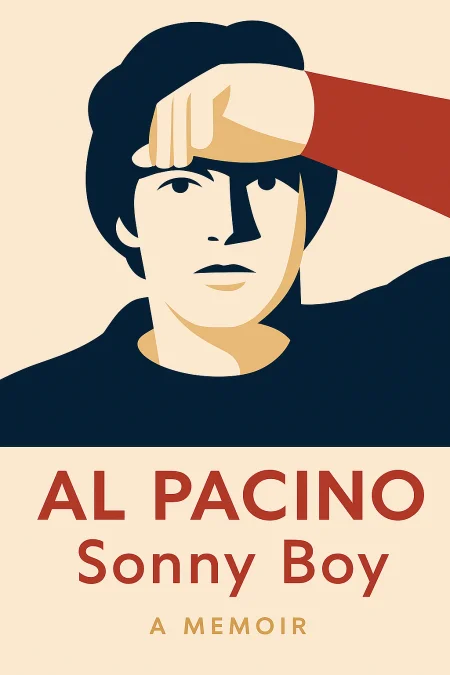
Sonny Boy
A Memoir
Book Edition Details
Summary
In the tempestuous world of cinema, Al Pacino's life unfurls like a gripping drama, each act more astonishing than the last. "Sonny Boy" is a soul-baring memoir from the son of a factory worker who became a beacon of American film. Pacino's rise, from gritty South Bronx streets to luminary status, paints a vivid portrait of art, struggle, and unyielding passion. With each performance, from the searing intensity of "The Godfather" to the raw authenticity of "Dog Day Afternoon," Pacino left an indelible mark, redefining what it meant to act. Yet, behind the iconic roles lay a life of paradox—artistic triumphs shadowed by personal turbulence. This book is a testament to the transformative power of love for one’s craft, chronicling the highs and lows of a man whose heart beat in sync with the stage. It's an invitation to witness a relentless pursuit of purpose, where dreams are forged in resilience and love remains the guiding star.
Introduction
In the smoky darkness of a Bronx movie theater, a three-year-old boy sat transfixed beside his mother, watching Ray Milland's desperate alcoholic search for hidden bottles in "The Lost Weekend." While other children his age played with toys, young Al Pacino was absorbing the raw power of human performance, unknowingly preparing for a destiny that would transform him from a street kid into one of cinema's most electrifying forces. Born into poverty in 1940, Alfredo James Pacino would navigate a treacherous path from the South Bronx tenements to Hollywood's highest peaks, becoming the embodiment of intensity and authenticity in American acting. Pacino's journey reveals the making of an artist who refused to compromise his vision, even when it meant walking away from fame and fortune at the height of his career. His story illuminates the price of artistic integrity, the weight of sudden stardom, and the relentless pursuit of truth in performance that defined his approach to acting. Through his experiences, readers will discover how a vulnerable young man channeled his pain, isolation, and fierce determination into performances that would define a generation, while learning that greatness often emerges from the deepest struggles and that staying true to one's artistic soul requires constant vigilance against the seductive forces of success.
From Bronx Streets to Stage: The Making of an Artist
The tenement on Bryant Avenue stood six stories high, its top floor apartments housing the city's poorest families. Here, in a cramped space shared by as many as seven relatives, young Al Pacino learned his first lessons about survival and imagination. His grandfather, a skilled plasterer from Corleone, Sicily, became his first father figure, teaching him that integrity mattered more than profit. When the boy proudly reported a classmate's misbehavior to his teacher, his grandfather's simple response cut deeper than any lecture, instilling a code of loyalty that would guide him throughout his life. The streets of the South Bronx in the 1940s and 50s were both playground and battlefield for Pacino and his gang of friends. They were urban warriors, scaling tenement rooftops, playing elaborate games, and creating their own entertainment from the debris of a neighborhood that the rest of the city had forgotten. These friendships provided the love and acceptance that his fractured family life couldn't offer, but they also revealed the thin line between survival and destruction that defined life in the neighborhood. While his friends gradually succumbed to the streets, Pacino found salvation in an unexpected place: the school stage. His junior high teacher recognized something special in the boy and climbed five flights of stairs to his grandmother's apartment to deliver a prophetic message about his future in acting. When Pacino performed in school plays, he discovered a sense of belonging and power that the streets couldn't provide. Acting became his escape route, his way of channeling the intensity and observation skills he'd developed on the Bronx streets into something transformative. The transition from street kid to serious actor wasn't immediate or easy. At the High School of Performing Arts, Pacino felt like an outsider among more polished students, but he possessed something they lacked: an authentic understanding of struggle and survival. His raw talent and fierce dedication caught the attention of teachers and fellow students alike, even as his unconventional background and intense energy sometimes made authority figures uncomfortable. The boy who had once mimicked desperate characters for his family's entertainment was beginning to understand that his gift for inhabiting other people's pain could become his life's work.
The Godfather Years: Fame's Double-Edged Sword
Francis Ford Coppola's phone call seemed impossible to believe. The young director wanted Pacino to play Michael Corleone, a role that Paramount Pictures desperately wanted to give to established stars like Jack Nicholson or Robert Redford. Pacino, still struggling financially and living in a tiny apartment, couldn't fathom how such an opportunity had fallen into his lap. The studio executives clearly didn't want him, seeing a dark, unknown actor from the Bronx where they needed a mainstream leading man. But Coppola fought for his vision, recognizing that Pacino embodied the quiet menace and hidden depths that Michael Corleone required. The filming process became a masterclass in perseverance under pressure. Rumors circulated that Pacino would be fired, creating an atmosphere of tension on set that ironically served his character's arc. Michael Corleone was meant to be underestimated, to appear harmless before revealing his lethal capabilities, and Pacino's precarious position on the film mirrored this transformation. When he finally shot the restaurant scene where Michael commits his first murders, the accumulated stress and uncertainty exploded into a performance of such controlled violence that it secured his place in the film and cinema history. The success transformed Pacino's life overnight in ways he never anticipated. Walking down the street became an ordeal as strangers approached him with a mixture of reverence and familiarity that felt deeply unsettling. The anonymity that had been his survival tool since childhood vanished completely, replaced by a level of attention that felt more like surveillance than admiration. Fame, he discovered, was a prison of visibility that made genuine human connection increasingly difficult. Rather than embrace his newfound celebrity, Pacino retreated further into himself, developing a reputation for being difficult or aloof that would follow him for decades. He turned down meetings, avoided publicity events, and missed award ceremonies, not out of arrogance but from genuine terror at the intensity of public attention. This withdrawal was misinterpreted as snobbery, creating a cycle of misunderstanding that isolated him even further. The young man who had once found solace in the dark anonymity of movie theaters now found himself trapped in the spotlight, struggling to maintain his artistic integrity while navigating the treacherous waters of Hollywood success.
Maximum Velocity: Creative Peaks and Personal Valleys
The period following his breakthrough should have been a time of triumph, but for Pacino it became a descent into personal chaos that nearly destroyed him. Success brought not satisfaction but a crushing sense of responsibility and isolation that he attempted to medicate with alcohol and drugs. His relationships crumbled under the weight of his fame and his inability to commit to anything beyond his work. The pattern that would define much of his personal life was already emerging: an absolute dedication to his craft that left little room for the ordinary pleasures and connections that sustain most people. His performances during this era revealed both his artistic growth and increasing fragility. Working on films like "Serpico" and "Dog Day Afternoon," Pacino spent months with real police officers and absorbed their worldview, channeling his mounting anxiety and desperation into characters who embodied moral complexity and urban alienation. Each role required him to dive deeper into damaged psyches, creating performances so raw and immediate that they felt like watching someone's nervous breakdown in real time. The acclaim for these films only intensified his internal struggles, as each success raised the stakes higher. The making of "Scarface" marked both a creative peak and personal nadir. His portrayal of Tony Montana was so intense that it literally burned him during the final shootout scene, when he grabbed a red-hot machine gun barrel and had to take two weeks off while his hand healed. This physical injury seemed symbolic of the psychic wounds that his total immersion in violent, damaged characters was inflicting on his soul. Yet the film, initially reviled by critics and audiences, would eventually become his most culturally influential performance. By the late 1970s, Pacino was operating at what he called "maximum velocity," pushing himself to artistic heights while simultaneously destroying the personal foundations that might have sustained him through the journey. The deaths of close friends added another layer of grief and mortality awareness that deepened his sense of life's fragility. His drinking escalated from social lubrication to necessary medication, helping him cope with the anxiety and isolation that fame had brought, until the combination of artistic disappointment and substance abuse brought him to a breaking point where continuing seemed impossible.
Redemption and Legacy: Finding Balance Through Art
The film's initial failure, combined with other disappointments, drove Pacino into a four-year retreat from Hollywood that wasn't a strategic career move but a necessary act of self-preservation. Recovery came slowly and required confronting the demons that had driven his self-destructive behavior. Therapy became as important as acting class had once been, providing a space to examine the patterns that had brought him to crisis. Giving up alcohol meant losing his primary coping mechanism, leaving him raw and vulnerable but also more authentically present than he had been in years. The return to theater marked a turning point, reconnecting him with the live audience energy that had first drawn him to performance. Standing on stage night after night, feeling the immediate response of the audience, reminded him why he had chosen this difficult path in the first place. The awards he won for his theatrical work felt different from his previous accolades, representing not just recognition of his talent but validation of his survival and renewal. He began to understand that every day above ground was indeed a good day, especially for someone who had come so close to losing everything that mattered. His comeback to film in the 1990s showcased an actor who had learned to harness his intensity with greater precision and emotional depth. Roles in films like "Glengarry Glen Ross" and "Scent of a Woman" demonstrated that age and experience had only deepened his understanding of character and human nature. His Oscar win represented both personal vindication and professional milestone, recognizing not just that single performance but a career's worth of extraordinary work and his ability to overcome personal demons through artistic integrity. In his later years, Pacino has embraced the role of elder statesman while continuing to challenge himself artistically. His influence extends far beyond individual performances, inspiring generations of actors with his commitment to authenticity and refusal to compromise his artistic vision for commercial considerations. Perhaps most significantly, he has remained true to his working-class roots throughout his journey to Hollywood's pinnacle, never forgetting the lessons learned on Bronx streets or abandoning the friends and mentors who supported him during struggling years. This authenticity has been the cornerstone of his appeal, allowing audiences to connect with his characters on a visceral level and ensuring his legacy as one of cinema's most compelling artists.
Summary
Al Pacino's extraordinary journey from the tenements of the South Bronx to the heights of cinematic achievement embodies the transformative power of authentic artistic expression and unwavering dedication to one's craft. His life demonstrates that true greatness comes not from seeking fame or fortune, but from the relentless pursuit of truth and the courage to remain authentic in the face of overwhelming pressure to conform. Through his struggles with addiction, his voluntary exile from Hollywood, and his eventual triumphant return, Pacino has shown that artistic integrity and personal growth are lifelong endeavors that require constant vigilance and self-reflection. From his story, we learn that success without authenticity is hollow, and that the greatest performances come from actors willing to expose their own vulnerabilities and experiences in service of their art. His example encourages us to embrace our origins rather than escape them, to view our struggles as sources of strength rather than shame, and to never stop growing as artists and human beings. For anyone pursuing creative excellence or simply seeking to live an authentic life, Pacino's journey offers a masterclass in persistence, integrity, and the courage to be genuinely oneself in a world that often rewards conformity over truth.
Related Books
Download PDF & EPUB
To save this Black List summary for later, download the free PDF and EPUB. You can print it out, or read offline at your convenience.
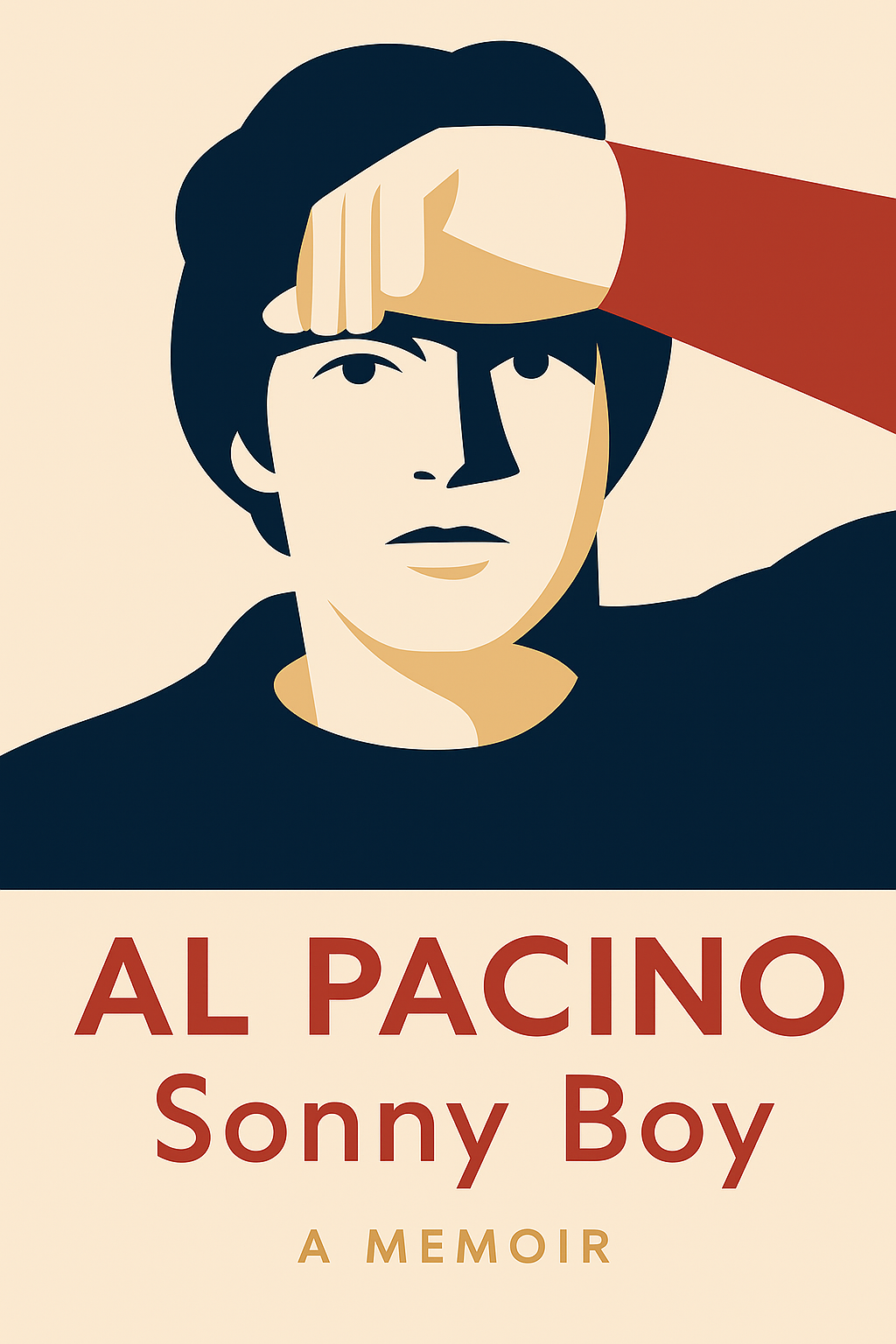
By Al Pacino
