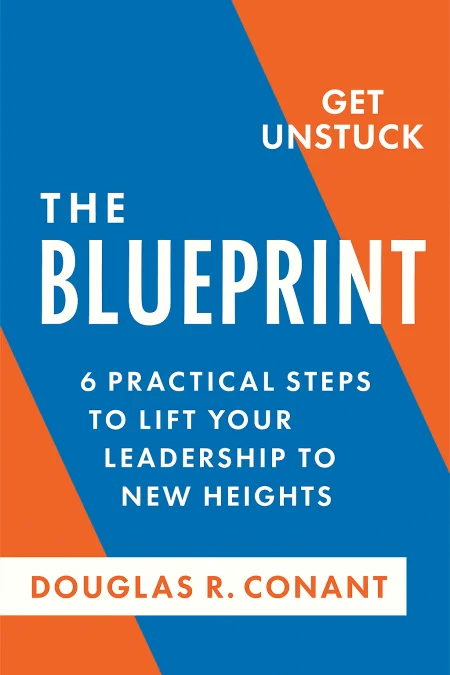
The Blueprint
6 Practical Steps to Lift Your Leadership to New Heights
Book Edition Details
Summary
In the tempestuous world of corporate ambition, Doug Conant’s "The Blueprint" emerges as a beacon for those yearning to redefine their leadership narrative. When a blindsiding dismissal in 1984 threatened to derail his career, Conant, the luminary behind Campbell Soup's revitalization, transformed adversity into triumph. This book reveals the secret to his success: a meticulously crafted six-step guide designed to elevate leadership skills amidst the chaos of modern life. Each step serves as a catalyst for meaningful change, empowering leaders to transcend stagnation and ignite their potential. Conant’s blend of insightful storytelling and practical exercises paves the way for readers to harness their inner strength, fostering not only professional success but a profound sense of personal fulfillment. This isn’t just a manual—it's a manifesto for change, challenging leaders to build a legacy of impact.
Introduction
In the corporate boardrooms and executive suites of America, few stories resonate as powerfully as that of a leader who transformed crushing defeat into extraordinary success. This is the tale of a man who, after being unceremoniously fired from his job, embarked on a journey of self-discovery that would eventually lead him to the helm of one of America's most iconic companies. His path from failure to the C-suite wasn't marked by natural charisma or inherited privilege, but by something far more accessible: a systematic approach to understanding oneself and developing authentic leadership capabilities. What makes this story particularly compelling is how it challenges our assumptions about leadership development. Rather than relying on external validation or mimicking other successful executives, this leader discovered that the most profound transformation comes from within. Through a structured process of reflection, study, and deliberate practice, he learned to align his authentic self with his leadership responsibilities, creating a foundation strong enough to weather any storm. From this remarkable journey, readers will gain insights into the power of intentional self-examination, the importance of building genuine connections with people, and the transformative potential that lies dormant within each of us, waiting to be awakened through purposeful action and unwavering commitment to growth.
From Failure to Foundation: The Early Career Crisis
The spring of 1984 began like any other for a ambitious thirty-two-year-old marketing director, but it would end as the most devastating day of his professional life. Walking into the Parker Brothers office on what seemed like a routine morning, he was abruptly summoned to his supervisor's office and fired without warning or adequate explanation. The shock was immediate and profound. Here was a dedicated professional who had always followed the rules, worked diligently, and maintained what he believed to be solid performance, suddenly finding himself unemployed and emotionally shattered. The drive home that day marked the beginning of a dark period of self-doubt and introspection. The comfortable narrative he had constructed about his career trajectory lay in ruins, replaced by haunting questions about his capabilities and future prospects. For someone who had always defined himself through external achievements and professional milestones, this sudden dismissal felt like a complete negation of his identity and worth. Yet within this crisis lay the seeds of transformation. The pain of rejection forced him to confront uncomfortable truths about his approach to leadership and professional relationships. He began to recognize that despite his technical competence and work ethic, he had been hiding his true self from colleagues, presenting a reserved and unremarkable facade that failed to inspire or connect with others. This moment of professional devastation would prove to be the catalyst for everything that followed. Sometimes our greatest failures serve as the foundation for our most significant growth, teaching us lessons that success never could. The very experience that seemed to end his leadership aspirations would ultimately become the cornerstone of his transformation into one of America's most respected executives.
Building the Blueprint: Six Steps to Leadership Excellence
The journey from failure to authentic leadership didn't happen by accident or through sudden inspiration. Instead, it required a systematic approach that could be learned, practiced, and refined over time. Through years of careful study and application, a practical framework emerged: six interconnected steps that form what would become known as The Blueprint for leadership transformation. The process begins with Envision, where leaders learn to connect with their deepest motivations and craft a compelling purpose that transcends mere career advancement. This step demands honest reflection about why one chooses to lead and what legacy they hope to create. Without this foundational clarity, all subsequent efforts lack direction and staying power. The second step, Reflect, involves a deep examination of personal experiences, values, and beliefs that have shaped one's worldview. This isn't casual introspection but rigorous analysis of life stories, defining moments, and the patterns that reveal character. The third step, Study, expands this self-knowledge by learning from others, building networks, and continuously gathering wisdom from diverse sources. Planning follows naturally as the fourth step, where all previous insights crystallize into a personalized leadership model. This isn't about copying someone else's approach but designing a framework that authentically reflects one's unique strengths and values. The fifth step, Practice, transforms theory into reality through deliberate action and continuous refinement. Finally, the sixth step, Improve, establishes a mindset of perpetual growth and adaptation, recognizing that leadership development never truly ends but evolves throughout one's career.
Leadership That Works: Ten Timeless Principles
True leadership excellence rests upon certain timeless principles that transcend industry, era, or organizational structure. These aren't trendy management concepts but fundamental truths about human nature and what motivates people to give their best effort. Understanding and embodying these principles separates authentic leaders from those who merely occupy leadership positions. High performance stands as the first principle, recognizing that good intentions without results serve no one. This involves developing both competence in one's field and the character to use that competence ethically and effectively. Abundance thinking follows as the second principle, teaching leaders to seek win-win solutions rather than zero-sum outcomes that pit stakeholders against each other. Trust forms the foundation of all meaningful leadership relationships, requiring leaders to consistently align their words with their actions while demonstrating genuine care for others' wellbeing. Purpose provides the emotional fuel that sustains effort through difficult times, connecting daily work to larger meaning and significance. Courage enables leaders to make difficult decisions and stand by their convictions even when facing opposition or uncertainty. The remaining principles encompass integrity, maintaining a growth mindset, practicing humility, adopting a service orientation, and finding joy in the work itself. These aren't abstract concepts but practical guides for daily decision-making. When internalized and consistently applied, they create a leadership presence that naturally attracts followers and inspires exceptional performance. The most effective leaders don't just understand these principles intellectually but embody them so completely that they become second nature, informing every interaction and decision.
Living the Blueprint: Authentic Leadership in Practice
The true test of any leadership philosophy comes not in quiet moments of reflection but in the heat of real-world challenges where pressure is high and stakes are significant. Living the Blueprint means consistently applying its principles even when circumstances make it difficult or inconvenient to do so. This requires moving beyond intellectual understanding to genuine transformation of behavior and decision-making processes. Authentic leadership in practice means bringing your whole self to work while maintaining the professionalism and competence that others depend upon. It involves being vulnerable enough to admit mistakes and ask for help while strong enough to make unpopular decisions when necessary. This balance requires constant calibration and self-awareness, understanding when to lead from the front and when to serve from behind. The most powerful example of living the Blueprint comes through the daily interactions that often seem small but accumulate into lasting impact. Writing handwritten thank-you notes, taking time to really listen to concerns, following through on commitments, and treating every person with dignity regardless of their position in the organizational hierarchy. These behaviors signal to others that leadership is about service rather than status. Perhaps most importantly, authentic leadership creates a multiplier effect throughout organizations. When leaders genuinely embody principles of trust, purpose, and growth, they give others permission to do the same. Teams become more innovative, engaged, and resilient. The leader's authentic presence creates psychological safety that allows others to take risks, share ideas, and bring their own best selves to work. This ripple effect extends far beyond immediate team members, influencing organizational culture and ultimately business results in ways that can be measured and sustained over time.
Summary
The transformation from a fired marketing director to a respected CEO illustrates a profound truth about leadership development: authentic greatness comes not from external circumstances or inherited advantages, but from the disciplined work of understanding and expressing one's true self in service of others. This journey demonstrates that failure, while painful, can become the foundation for unprecedented growth when approached with courage and systematic self-examination. The Blueprint offers a practical pathway for anyone seeking to unlock their leadership potential, regardless of their starting point or current circumstances. Its power lies not in providing easy answers but in asking the right questions and creating a framework for continuous growth and adaptation. By following these six steps with discipline and authenticity, emerging leaders can build the internal foundation necessary to weather any storm and inspire others to achieve extraordinary results. This approach to leadership development is particularly relevant for professionals who feel stuck in their current roles, overwhelmed by competing demands, or uncertain about their ability to make a meaningful impact. The Blueprint provides hope that transformation is possible and practical tools to make it happen, one deliberate step at a time.
Related Books
Download PDF & EPUB
To save this Black List summary for later, download the free PDF and EPUB. You can print it out, or read offline at your convenience.
By Douglas R. Conant
