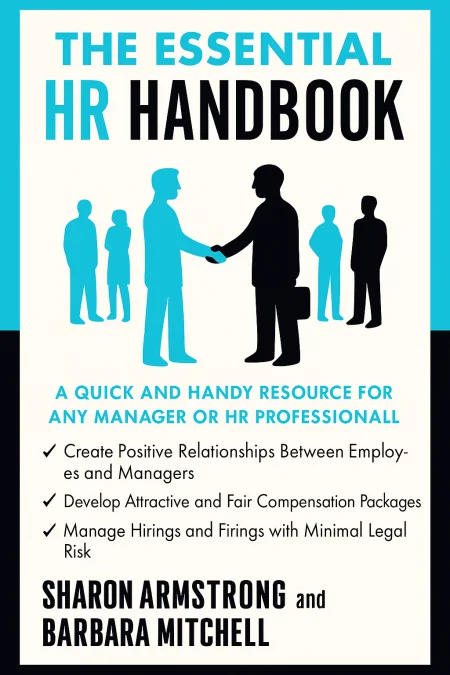
The Essential HR Handbook
A Quick and Handy Resource for Any Manager or HR Professional
bySharon Armstrong, Barbara Mitchell
Book Edition Details
Summary
In the ever-evolving landscape of business, mastering the human element is not just an asset—it's a necessity. "The Essential HR Handbook" serves as your personal guide through the intricate world of human resources, offering a treasure trove of insights and practical tools that every leader craves. Whether you're at the helm of a burgeoning startup or steering the HR ship in a corporate giant, this guide helps you navigate challenges from hiring top talent to gracefully exiting underperformers. It demystifies the art of managing diverse generational workforces and crafting rewarding compensation plans, all while sidestepping legal landmines. For those seeking to transform HR chaos into seamless synergy, this handbook is your indispensable ally, always at the ready to turn night-time worries into daytime victories.
Introduction
In today's rapidly evolving business landscape, the ability to attract, develop, and retain exceptional talent has become the ultimate competitive advantage. Organizations worldwide are discovering that their success hinges not on their products or services alone, but on the people who bring vision to life. The modern workplace demands leaders who can navigate complex human dynamics, foster inclusive environments, and create cultures where every individual can thrive. Whether you're a seasoned HR professional, a new manager taking on people responsibilities, or an entrepreneur building your first team, mastering the art and science of human resources is no longer optional—it's essential. The challenges are real: generational differences, remote work complexities, evolving legal landscapes, and the constant need to balance individual aspirations with organizational goals. Yet within these challenges lie unprecedented opportunities to transform how we work, lead, and grow together. This handbook serves as your strategic partner in building excellence through people, offering proven frameworks, practical tools, and actionable insights that will elevate your HR practice and empower you to create workplaces where both people and organizations flourish.
Strategic Foundation: Building Your HR Framework
Strategic human resources begins with understanding that people decisions are business decisions, and every HR initiative must align with organizational objectives. The most successful companies recognize that their human resources strategy cannot exist in isolation—it must be woven into the fabric of their overall business strategy, supporting growth, innovation, and competitive positioning. Consider the transformation at a mid-sized technology firm where the leadership team initially viewed HR as a necessary administrative function. When faced with rapid expansion and increasing competition for talent, they realized their ad-hoc approach to people management was hindering growth. The HR director partnered with executives to conduct a comprehensive organizational assessment, examining current capabilities against future needs. They discovered significant gaps in leadership development, outdated compensation structures, and no clear succession planning. The breakthrough came when they implemented a strategic workforce planning process that directly linked talent initiatives to business goals. Within eighteen months, employee engagement scores increased by 35%, voluntary turnover dropped significantly, and the company successfully scaled from 150 to 300 employees while maintaining their culture and performance standards. This transformation was possible because they treated HR strategy as a core business driver rather than an afterthought. To build your strategic foundation, start by conducting a SWOT analysis of your current workforce, identifying strengths, weaknesses, opportunities, and threats. Engage leadership in defining clear expectations for how HR will support business objectives. Develop workforce plans that anticipate future needs, create succession management processes for key positions, and establish metrics that demonstrate HR's contribution to organizational success. Remember that strategic HR is about being proactive rather than reactive, anticipating challenges and opportunities before they impact your business. The goal is to position HR as a trusted business partner that drives results through people.
Talent Excellence: Recruiting and Developing Champions
Exceptional recruiting begins long before a position becomes vacant—it starts with building a compelling employer brand and creating talent pipelines that consistently deliver high-quality candidates. The organizations that excel in talent acquisition understand that they're not just filling positions; they're building teams that will drive future success. A national retail organization faced chronic staffing challenges in their management positions, experiencing high turnover and struggling to find candidates who aligned with their values-driven culture. Their traditional approach of posting jobs and hoping for the best was failing. The HR team revolutionized their strategy by implementing behavioral interviewing techniques, partnering with local universities for internship programs, and leveraging employee referral networks. The transformation was remarkable. By focusing on cultural fit alongside technical competencies, implementing structured interview processes, and creating comprehensive onboarding experiences, they reduced management-level turnover by 60% within two years. New hires reported feeling more prepared and connected to the organization from day one. The key was shifting from desperate hiring to strategic talent cultivation. Begin by clearly defining what success looks like in each role, including both technical requirements and cultural fit indicators. Develop behavioral interview questions that reveal past performance patterns, as these are the strongest predictors of future success. Create onboarding experiences that extend well beyond the first day, incorporating buddy systems, regular check-ins, and clear development pathways. Invest in your current employees through mentoring programs, skills development, and career planning—they are your best source of referrals and your strongest retention strategy. Excellence in talent management requires treating every interaction, from first contact through ongoing development, as an opportunity to demonstrate your organization's commitment to people.
Performance Culture: Managing Success and Growth
Creating a performance-driven culture requires moving beyond annual reviews to embrace continuous feedback, goal alignment, and development-focused conversations. The most effective performance management systems recognize that people want to succeed and grow, and the manager's role is to provide the support, clarity, and resources necessary for that success. A struggling department in a healthcare organization exemplified the problems with traditional performance management. Employees received feedback once per year, goals were vague, and managers avoided difficult conversations until problems became severe. The new department head implemented weekly one-on-ones, quarterly goal reviews, and a coaching approach to performance discussions. Instead of focusing solely on what went wrong, conversations emphasized learning, development, and future success. The cultural shift was profound. Employee engagement scores improved dramatically, productivity increased, and the department went from being known for problems to being recognized as a model for other areas. Team members began proactively seeking feedback and taking ownership of their development. The transformation occurred because performance management became about empowerment rather than evaluation. Establish clear, measurable goals that align individual contributions with organizational objectives. Implement regular check-ins that focus on progress, obstacles, and support needed rather than simply reviewing past performance. Train managers to be coaches who ask powerful questions, provide specific feedback, and collaborate on solutions. When performance issues arise, address them promptly with curiosity and support rather than blame. Document both successes and areas for improvement to create comprehensive development plans. Most importantly, celebrate progress and achievements regularly, recognizing that acknowledgment and appreciation are powerful motivators for sustained high performance.
Modern Challenges: Leading in Today's Workplace
Today's workplace presents unprecedented challenges that require agile, thoughtful leadership approaches. From managing multi-generational teams to navigating remote work dynamics, from addressing diversity and inclusion to handling evolving legal requirements, modern HR professionals must be strategic thinkers, skilled communicators, and change agents. A global consulting firm discovered that their traditional management approaches were creating tension between Baby Boomers who valued hierarchy and face-to-face interaction, Generation X employees who preferred independence and work-life balance, and Millennials who sought frequent feedback and meaningful work. Initial attempts to create one-size-fits-all policies only increased frustration across all groups. The breakthrough came when they embraced flexible leadership styles and customized approaches while maintaining consistent core values and expectations. They implemented reverse mentoring programs where younger employees shared technology skills while learning institutional knowledge from veterans. They created flexible work arrangements that respected different preferences while ensuring collaboration and results. The result was a more cohesive, productive workforce that leveraged the strengths of each generation. Start by understanding the unique perspectives, motivations, and communication styles of different employee groups in your organization. Develop policies and practices that provide flexibility while maintaining fairness and consistency. Invest in technology that enables collaboration across distances and generations. Create inclusive environments where diverse perspectives are valued and leveraged for better decision-making. Stay informed about evolving legal requirements and social expectations, adapting your practices proactively rather than reactively. Build strong partnerships with legal counsel, IT departments, and other organizational functions to address complex, interconnected challenges effectively.
Summary
Excellence in human resources is achieved when we recognize that our greatest responsibility is unleashing human potential in service of meaningful goals. As Lawrence Bossidy reminds us, "At the end of the day you bet on people, not on strategies." The most successful organizations understand that every HR decision—from hiring practices to performance management, from compensation design to culture building—either enhances or diminishes their ability to attract, develop, and retain exceptional talent. The path forward requires embracing both the art and science of human resources: combining data-driven decision making with genuine care for people, implementing systematic processes while remaining flexible and responsive to individual needs, and maintaining high standards while providing the support necessary for success. Your journey toward HR excellence begins with a simple but powerful commitment: starting tomorrow, approach every people decision with the question "How does this help our organization and our employees thrive?" When you consistently apply this lens, you'll find yourself naturally building the systems, relationships, and culture that drive sustainable success through people.
Related Books
Download PDF & EPUB
To save this Black List summary for later, download the free PDF and EPUB. You can print it out, or read offline at your convenience.
By Sharon Armstrong
