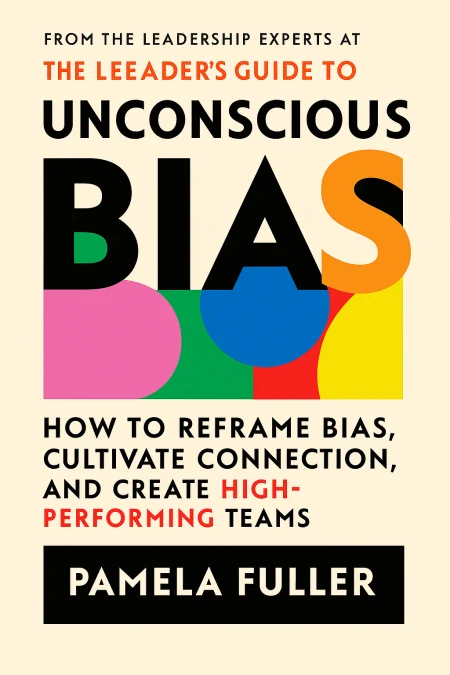
The Leader's Guide to Unconscious Bias
How To Reframe Bias, Cultivate Connection, and Create High-Performing Teams
Book Edition Details
Summary
Picture a bustling office where potential flourishes but is often shadowed by unseen barriers. "The Leader's Guide to Unconscious Bias" from FranklinCovey is not just a guide—it's a clarion call to dismantle these invisible walls that thwart genuine progress. Unconscious bias, lurking in the corners of decision-making, subtly shapes workplace dynamics. Whether it's the unspoken preference for an Ivy League resume or the sidelined voice of a female colleague, these biases are mental reflexes that require conscious redirection. This insightful tome arms leaders with over thirty transformative tools, from introspective worksheets to strategies for reframing thought patterns. By embracing empathy and nurturing true understanding, leaders can cultivate an environment where every team member's potential is unleashed. This book is an invitation to reimagine a workplace where diversity is not just recognized but celebrated as a catalyst for unparalleled success.
Introduction
Every day, leaders make countless decisions that shape their organizations, yet most remain unaware of the invisible forces influencing these choices. The human brain, processing millions of pieces of information per second, relies on mental shortcuts that can inadvertently create barriers to peak performance. This cognitive reality forms the foundation of a systematic approach to understanding how unconscious preferences impact leadership effectiveness and organizational outcomes. The theoretical framework presented here centers on the relationship between cognitive biases, performance zones, and leadership behavior. Rather than viewing bias as a character flaw, this model reframes it as a natural brain function that can either enhance or limit potential when left unexamined. The core premise suggests that leaders who develop awareness of their unconscious patterns, cultivate genuine connections across differences, demonstrate courage in addressing bias, and apply these principles throughout talent management processes can create high-performing environments where all individuals contribute their best work. This comprehensive system addresses fundamental questions about human behavior in professional settings: How do mental shortcuts influence decision-making? What conditions enable people to perform at their highest level? How can leaders move beyond surface-level diversity efforts to create genuine inclusion? The framework provides structured methods for identifying hidden biases, building meaningful relationships across differences, taking appropriate action when bias emerges, and embedding these practices into organizational systems.
Identify Bias Through Self-Awareness
The foundation of addressing unconscious bias begins with developing the intellectual capacity for honest introspection. Self-awareness, as defined in this context, represents the ability to pause between receiving information and responding emotionally, creating space to examine why certain reactions occur and whether they serve productive purposes. This process requires moving beyond surface-level personality assessments toward deep examination of the mental shortcuts that guide daily decisions. The identity model reveals how personal experiences, education, cultural background, and innate traits create unique lenses through which individuals interpret the world. These elements operate bidirectionally, both shaping identity and being reinforced by it, creating powerful but often invisible decision-making patterns. The neuroscience underlying bias demonstrates that the brain's primitive and emotional systems, designed for survival, can override rational thinking when individuals feel threatened or overwhelmed, leading to snap judgments that may not reflect conscious values. Three common bias traps emerge when leaders face information overload, allow feelings to override facts, or succumb to the need for speed. During these vulnerable moments, the brain relies more heavily on shortcuts that can exclude important information or lead to unfair assessments. Consider how a hiring manager, overwhelmed by hundreds of résumés, might unconsciously favor candidates whose backgrounds mirror their own, or how time pressure might cause someone to dismiss a colleague's innovative idea simply because it challenges established methods. The development of mindfulness practices creates the necessary pause between stimulus and response, enabling leaders to operate from their thinking brain rather than emotional or survival instincts. This isn't about eliminating bias entirely, which would be impossible, but rather building the awareness to recognize when shortcuts might be limiting potential and choosing more deliberate responses.
Cultivate Connection Through Empathy and Curiosity
Meaningful connection with others serves as both an antidote to bias and a pathway to enhanced performance. The principle underlying this approach recognizes that when leaders genuinely understand different perspectives, they naturally see past surface-level assumptions and create conditions where everyone can contribute their best work. This connection requires authentic vulnerability and openness, moving beyond professional politeness toward genuine interest in others' experiences and viewpoints. Belonging forms the psychological foundation for high performance, addressing the fundamental human need to feel valued and included. When people must hide aspects of their identity or constantly prove their worth, enormous mental energy gets diverted from productive work toward self-preservation. The organizational indicators of belonging include inclusive language that welcomes diverse identities, policies that accommodate different life circumstances, and representation that allows people to see themselves reflected in leadership and decision-making roles. The dual skills of empathy and curiosity work together to bridge differences and challenge assumptions. Empathy involves genuinely putting oneself in another's position, while curiosity drives the intellectual pursuit of understanding different perspectives. Consider how a leader might initially feel frustrated by a team member's communication style, but through empathic listening and curious questioning, discover that the person's directness stems from a cultural background that values efficiency and clarity, ultimately benefiting the entire team's decision-making process. Networks and difficult conversations become vehicles for expanding understanding and addressing bias when it emerges. Building diverse networks of mentors, coaches, sponsors, and confidants provides multiple perspectives on challenges and opportunities. When bias-related tensions arise, approaching these conversations with the intent to understand rather than defend creates possibilities for growth and stronger relationships, transforming potentially damaging situations into opportunities for increased trust and performance.
Choose Courage in Four Key Ways
Courage manifests in various forms when addressing unconscious bias, ranging from quiet, careful actions in sensitive situations to bold advocacy that demands immediate change. The recognition that courage isn't always loud or dramatic opens possibilities for everyone to contribute to more inclusive environments regardless of their formal authority or personal risk tolerance. This nuanced understanding of courage acknowledges that sometimes the most impactful action involves thoughtful restraint, while other situations require immediate intervention. The courage to identify bias begins with the willingness to examine one's own decision-making patterns and question assumptions that may feel comfortable or familiar. This requires pausing before making assignments or assessments, checking whether judgments are based on observable facts or unconscious shortcuts, and committing to continuous learning about how bias manifests in different contexts. A leader demonstrating this courage might notice they consistently assign administrative tasks to certain team members while giving high-visibility projects to others, then consciously work to distribute opportunities more equitably. When experiencing bias personally, the courage to cope involves prioritizing self-care, building supportive communities, and developing strategic responses rather than purely emotional reactions. This might mean taking time to process difficult experiences, seeking mentorship from those who have navigated similar challenges, or creating boundaries that preserve energy for meaningful work while addressing systemic issues through appropriate channels. The courage to be an ally and advocate extends these principles beyond personal experience toward supporting others and creating systemic change. Allies use their relative privilege or position to amplify voices that might otherwise go unheard, create opportunities for underrepresented colleagues, and speak up when witnessing bias in action. Advocates take the additional step of pushing for policy changes, organizing networks for support and advancement, and sharing their stories to educate others about the impact of bias. Both roles require moving past guilt or fear toward constructive action that benefits the entire organization.
Apply Across the Talent Lifecycle
The systematic application of bias awareness and inclusive practices throughout organizational talent management transforms individual insights into sustained cultural change. The talent lifecycle encompasses all decision points in professional development, from initial recruitment and hiring through daily contributions and long-term advancement opportunities. Each stage presents specific risks for bias to limit potential while also offering chances to create more equitable and effective processes. Getting hired involves expanding recruitment strategies beyond traditional networks, using structured interviews that focus on job-relevant skills rather than cultural fit or personal comfort, and ensuring compensation practices are transparent and equitable. Organizations might partner with diverse professional associations, implement blind resume reviews, or require hiring panels rather than individual decision-making to reduce the impact of unconscious preferences on critical career entry points. Contributing and engaging focuses on creating conditions where all employees can perform at their highest level once they join the organization. This includes comprehensive onboarding that helps people navigate both formal and informal organizational systems, regular feedback that separates performance from personal characteristics, and recognition systems that celebrate diverse contributions and working styles. Leaders might implement pulse surveys to regularly assess team dynamics, create stretch opportunities for different types of contributors, or establish mentoring programs that cross traditional organizational boundaries. Moving up addresses advancement and leadership development, ensuring that promotion criteria are clearly defined and consistently applied across different groups. This often requires examining informal networks that influence career progression, creating multiple pathways to leadership that value different types of experience and expertise, and actively developing succession plans that prepare diverse candidates for senior roles. The ultimate goal is creating an environment where talent rises based on contribution and potential rather than similarity to existing leadership or access to informal advantages.
Summary
True leadership excellence emerges when the invisible forces of unconscious bias are transformed from barriers into bridges toward human potential. The systematic framework of identifying personal biases, cultivating authentic connections, demonstrating courage in multiple forms, and embedding these principles throughout organizational systems creates a comprehensive approach to leadership that honors both individual differences and collective success. This model recognizes that addressing bias isn't about perfection or eliminating natural human tendencies, but rather about building awareness and skills that enable everyone to contribute their best work while feeling valued and respected. The long-term significance of this approach extends beyond individual organizations to contribute to a broader transformation of how societies understand and leverage human diversity as a source of strength, innovation, and sustainable progress.
Related Books
Download PDF & EPUB
To save this Black List summary for later, download the free PDF and EPUB. You can print it out, or read offline at your convenience.
By Pamela Fuller
