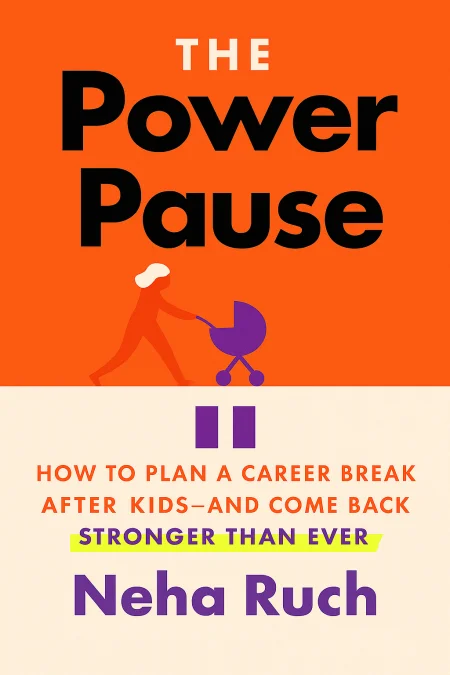
The Power Pause
Planning a Career Break After Kids – And Coming Back Stronger
Book Edition Details
Summary
Neha Ruch's "The Power Pause" flips the script on traditional narratives, transforming the stay-at-home motherhood experience into a bold, intentional career choice. With the societal echo of "What do you do?" haunting her after stepping away from corporate life, Ruch embarked on a journey to redefine this role for a new era of ambitious women. Through her trailblazing community, Mother Untitled, she elevates the conversation, providing a lifeline to those juggling identity shifts and career pauses. This guide brims with real-life stories and expert advice, breaking stereotypes and offering a fresh perspective on finding purpose and fulfillment beyond a paycheck. It is a clarion call for women to embrace the pause as a powerful, strategic move—redefining success on their own terms.
Introduction
Sarah stared at her laptop screen, her six-month-old daughter finally asleep in her arms after a long morning of meetings conducted from her kitchen table. The familiar ping of another urgent email made her stomach tighten, but she couldn't reach for her phone without waking the baby. In that moment of forced stillness, surrounded by the chaos of toys and unfolded laundry, she realized something profound: she had been running on empty for months, trying to maintain her pre-motherhood pace while her heart pulled her toward something entirely different. This scene plays out in countless homes across America, where ambitious women find themselves caught between societal expectations and their own evolving desires. The traditional narrative presents mothers with a false choice: either lean in completely to career success or accept the outdated stereotype of the passive, unfulfilled stay-at-home mom. But what if there was a third option? What if stepping away from paid work temporarily could actually be the most empowering, strategic decision a woman could make for both her family and her future career? The journey through stay-at-home motherhood is not about losing yourself in domesticity or abandoning your professional dreams. Instead, it's about discovering new strengths, building meaningful connections, and creating space for both personal growth and family flourishing. Through the stories of women who have navigated this path with intention and grace, we'll explore how to transform this life stage from a source of anxiety into a powerful platform for renewal and redirection.
Breaking Free from the June Cleaver Myth
When marketing executive Neha first encountered the knowing glances of other mothers at a baby movement class in a Manhattan basement, she realized she was part of something much larger than she had imagined. These women, gathered in a circle with their infants, represented a quiet revolution. They were bankers who had stepped back from demanding travel schedules, models who chose advocacy over runway shows, and teachers who wanted more flexibility than classroom bells allowed. Each woman had made a deliberate choice to prioritize family life, yet none resembled the stereotypical housewife figure that dominated public imagination. They discussed current events, shared business ideas, and supported each other's evolving ambitions. These weren't women who had given up on themselves; they were women who had chosen to invest in a different kind of future. The mythology of the passive stay-at-home mother persists because it was deliberately constructed. During World War II, when women proved their capability in factories and offices, post-war media launched what historians call "ideological warfare" to push them back into domestic roles. Television shows of the 1950s created characters like June Cleaver, whose spotless kitchens and endless patience became an impossible standard that haunted generations of mothers. What emerges from examining these women's real experiences is a profound truth: the choice to focus on family doesn't diminish ambition; it redirects it. These mothers are building communities, discovering new talents, and creating sustainable ways to contribute to their families and society. They represent not a retreat from feminism, but its natural evolution toward authentic choice and personal empowerment.
Building Your Village: The Financial and Emotional Framework
The first time Amanda and her husband sat down with their family budget spread across their kitchen table, she felt a familiar knot in her stomach. As a former corporate lawyer accustomed to making her own financial decisions, the prospect of depending on someone else's income felt like losing a fundamental part of herself. But as they worked through the numbers together, something unexpected happened. Instead of feeling diminished, she began to understand how her unpaid work at home created the foundation that allowed her husband to excel in his career. They developed what they called their "partnership agreement"—not a cold contract, but a living document that acknowledged both of their contributions to their family's success. Amanda's work managing healthcare decisions, educational planning, and emotional support for their children had measurable value. When they calculated the cost of replacing her services with hired help, the number exceeded her previous salary. The financial transition required careful planning and honest conversations about values and priorities. They built emergency funds, restructured their budget around what truly mattered, and established regular check-ins to ensure both partners felt heard and respected. Most importantly, they reframed the conversation from "dependency" to "interdependence"—recognizing that modern families function as integrated teams where different types of contributions create collective success. This financial framework became the foundation for emotional security. When both partners understood and valued each other's roles, guilt and resentment gave way to mutual appreciation and shared purpose. The key wasn't having unlimited resources, but having clarity about how those resources aligned with their deepest values and long-term goals.
Growing Beyond the Playground: Personal Development and Return
Christine never expected that her son's autism diagnosis would become the catalyst for discovering her true calling. As she navigated therapy appointments, educational advocacy, and support groups, she found herself naturally gravitating toward helping other families facing similar challenges. What began as personal necessity evolved into expertise, and eventually into a fulfilling career as a disability rights advocate. Her story illustrates a fundamental truth about career pauses: they create space for unexpected growth and self-discovery. Away from the demands of traditional employment, many women find themselves exploring interests they never had time to pursue. They volunteer for causes that matter to them, develop creative skills, or dive deep into subjects that genuinely fascinate them. These aren't frivolous hobbies, but potential pathways to more meaningful work. The women who thrive during career pauses approach this time with intentional curiosity. They take online courses, join professional organizations in new fields, and say yes to opportunities that stretch their comfort zones. They understand that this period isn't about maintaining the status quo until they can return to their old jobs, but about expanding their capabilities and clarifying their values. When the time comes to re-enter the workforce, these women often find themselves better positioned than before. They've developed new skills, built diverse networks, and gained clarity about what kinds of work truly align with their priorities. Employers increasingly value candidates who bring fresh perspectives, emotional intelligence, and the kind of leadership skills that intensive parenting naturally develops. Rather than representing a gap in their careers, this time becomes a distinctive strength that sets them apart in competitive job markets.
Summary
The power pause represents a fundamental shift in how we understand women's career trajectories and life choices. Rather than viewing time away from traditional employment as a sacrifice or setback, it becomes a strategic investment in both family relationships and personal development. The women who embrace this path discover strengths they never knew they possessed, build communities that sustain them through challenges, and create flexible foundations for futures they couldn't have previously imagined. The financial security required for this choice isn't about having unlimited resources, but about making conscious decisions that align spending with values and building partnerships based on mutual respect rather than traditional dependency. When couples approach family life as collaborative enterprises, both partners can pursue their highest potential without compromising their shared commitment to nurturing their children. Perhaps most importantly, this journey requires releasing outdated expectations about what ambition looks like and embracing a more expansive definition of success. The mothers who find fulfillment in this path understand that meaningful work isn't limited to paid employment, that leadership skills can be developed in playgroups as well as boardrooms, and that the most strategic career move sometimes involves temporarily stepping away from conventional career paths. Their stories offer hope and practical wisdom for any woman seeking to honor both her professional aspirations and her deep desire to be present for the people she loves most.
Related Books
Download PDF & EPUB
To save this Black List summary for later, download the free PDF and EPUB. You can print it out, or read offline at your convenience.
By Neha Ruch
