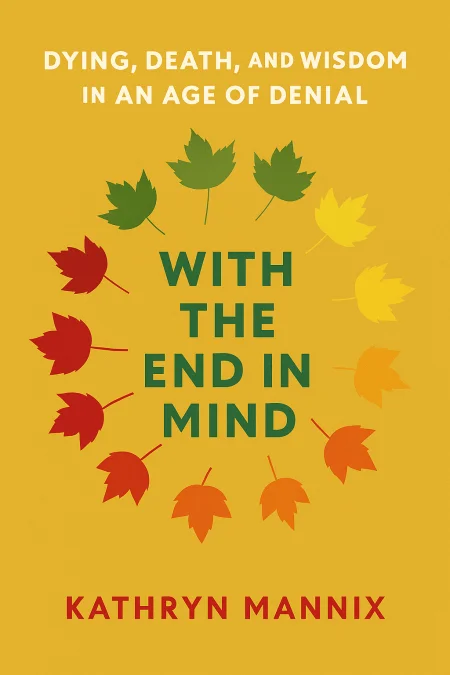
With the End in Mind
Dying, Death and Wisdom in an Age of Denial
Book Edition Details
Summary
In the tapestry of life’s final moments, Dr. Kathryn Mannix emerges as a masterful storyteller, weaving together narratives that transcend the fear of death. "With the End in Mind" invites readers into the intimate sphere of palliative care, where Dr. Mannix’s three decades of experience shine through poignant tales of courage, acceptance, and transformation. This book challenges the modern-day dread surrounding death by offering a fresh perspective—one that embraces the end with wisdom and grace. Through her compassionate lens, we glimpse the profound beauty and dignity that can accompany life's concluding chapter. Engaging and deeply human, Dr. Mannix’s reflections reveal death not as a terrifying abyss but as a natural part of our shared journey, casting light on the path with empathy and insight.
Introduction
In the hushed moments between heartbeats, where life surrenders to its natural conclusion, extraordinary wisdom unfolds. Dr. Kathryn Mannix has spent decades in these sacred spaces, witnessing thousands of final journeys as a palliative care physician. Her work has taken her from bustling hospital wards to quiet hospice rooms, where she has learned that our modern fear of death stems largely from our profound misunderstanding of it. In a society that has medicalized mortality and hidden it behind institutional walls, Mannix has discovered that dying is far more peaceful and natural than most people imagine. Her transformation from a frightened medical student encountering her first death to a compassionate guide for families navigating their darkest hours offers profound insights into the human experience of mortality. Through her eyes, readers will discover how honest communication about death can transform fear into understanding and isolation into connection. They will explore the remarkable patterns and processes that characterize most deaths, revealing them to be gentle transitions rather than violent struggles. Most importantly, they will learn how embracing mortality can paradoxically enrich our appreciation of life itself, teaching us to live with greater intention, compassion, and presence in every moment we are given.
From Fear to Understanding: Early Medical Training and Death
The journey from medical student to seasoned physician involves countless transformative moments, but few are as profound as the first encounter with death. For young doctors entering the clinical world, this initial meeting with mortality often shatters preconceived notions and forces a fundamental reckoning with the limits of medical intervention. The sterile hospital environment, with its focus on cure and technological solutions, can make death appear as a failure rather than a natural conclusion to life's journey. These early experiences reveal the stark gap between textbook knowledge and human reality. While medical training provides detailed understanding of physiological processes, it cannot prepare practitioners for the emotional weight of sitting with grieving families or the responsibility of explaining the unexplainable. The clinical setting strips away many of the rituals and familiarities that once surrounded death in community life, leaving healthcare providers to navigate uncharted emotional territory while maintaining professional composure. The transformation toward understanding death as a natural process requires both professional growth and personal courage. It involves learning to recognize when curative treatment should give way to comfort care, developing communication skills to guide families through their most difficult moments, and accepting that sometimes the greatest gift a physician can offer is not another intervention but the assurance that their loved one will not die alone or in pain. Through repeated exposure to mortality in its many forms, healthcare providers gradually develop what might be called death literacy. This understanding of the patterns, processes, and possibilities surrounding life's end becomes a source of comfort not only for patients and families but also for the practitioners themselves, who learn that death need not be feared but can be approached with dignity, preparation, and even peace.
Breaking Sacred Silences: The Art of Honest Communication
The conspiracy of silence surrounding terminal illness often creates more suffering than the disease itself. Well-intentioned families construct elaborate charades where everyone knows the devastating truth but nobody dares speak it aloud. Husbands shield wives from diagnoses, children protect parents from prognoses, and patients themselves sometimes carry the burden of knowledge alone, afraid to upset their loved ones. This mutual protection, though born of love, creates invisible barriers between people who desperately need each other's support. When healthcare providers facilitate honest conversations, the relief is often immediate and profound. Families who have spent months walking on eggshells suddenly find themselves able to express their deepest fears, share their love openly, and make meaningful plans together. The moment of truth-telling, though initially painful, frequently marks the beginning of deeper intimacy and genuine emotional healing. Patients express gratitude for being trusted with their own reality, while family members discover reserves of strength they never knew they possessed. The art of delivering difficult news requires extraordinary skill and sensitivity. Timing, setting, and the presence of the right people can transform devastating information into empowering knowledge. When delivered with compassion and followed by ongoing support, even the most challenging truths can become the foundation for remarkable journeys of connection and growth. The goal is not to destroy hope but to redirect it toward achievable outcomes such as comfort, meaningful closure, and the full expression of love. These conversations represent profound acts of respect and love, acknowledging the patient's right to know their situation and make informed decisions about their remaining time. They create essential space for the work of saying goodbye, expressing gratitude, seeking forgiveness, and ensuring that love is fully communicated before it becomes too late. In breaking these sacred silences, families often discover that speaking truth, however difficult, ultimately brings them closer together rather than driving them apart.
Witnessing Grace: Lessons from Life's Final Transitions
Death follows recognizable patterns that have been largely forgotten in our medicalized age, yet understanding these natural rhythms can provide immense comfort to both dying individuals and their loved ones. Previous generations witnessed death as a normal part of community life, but today's families often find themselves unprepared for the physical and emotional changes that accompany the dying process. This unfamiliarity leads to unnecessary fear and sometimes inappropriate medical interventions that can actually increase suffering. The journey toward death typically unfolds in predictable stages that serve important biological and emotional purposes. Energy gradually diminishes as the body conserves resources for essential functions, sleep increases as consciousness naturally withdraws from worldly concerns, and appetite decreases as nutritional needs change. Breathing patterns shift, becoming irregular with longer pauses, while circulation changes affect skin temperature and color. These transformations, while distressing to witness, are usually peaceful for the dying person and represent the body's wisdom in preparing for its final transition. Perhaps most remarkably, many people experience profound psychological and spiritual changes as death approaches. Freed from concerns about the future and the burden of long-term planning, they often develop extraordinary clarity about what truly matters in life. Petty grievances fade away, replaced by gratitude for simple pleasures and deep appreciation for the love they have received. Many become sources of comfort for their own caregivers, offering wisdom and perspective that can only come from standing at life's threshold. The grace witnessed in these final transitions offers profound lessons for the living. Those who accompany others through death often report lasting changes in their own priorities and perspectives, learning to value relationships over achievements, presence over productivity, and authenticity over appearances. In this way, the dying continue to teach and give even in their final days, leaving legacies that extend far beyond their physical presence and transforming death from a source of terror into an opportunity for profound human connection and growth.
Teaching the Living: Transforming Society's Relationship with Mortality
The fear of death that permeates modern society is often based on fundamental misconceptions about what dying actually entails. Our culture's focus on youth, cure, and life extension, while beneficial in many ways, has inadvertently created a perspective that views death as failure rather than as life's natural conclusion. This mindset generates unnecessary anxiety and can lead to aggressive treatments that prolong suffering rather than extending meaningful existence. Transforming our relationship with mortality begins with education and honest conversation about what death really looks like in most cases. Acceptance of mortality does not mean abandoning hope or giving up the fight for life when appropriate treatment is available. Rather, it involves developing a mature understanding of life's finite nature and making conscious choices about how to spend our remaining time, whether measured in days, months, or decades. This perspective can actually enhance life by encouraging focus on what truly matters and approaching each day with greater intentionality and gratitude for the gift of consciousness itself. The process of coming to terms with mortality often catalyzes a remarkable shift in values and priorities. Material concerns may fade in importance while relationships and experiences gain prominence. Many people discover unexpected sources of meaning and joy even when facing terminal illness, finding that knowledge of limited time paradoxically enriches rather than diminishes their experience of being alive. This transformation requires support, understanding, and the freedom to explore one's own path toward acceptance without judgment or pressure. Most importantly, changing our relationship with death involves recognizing it as a shared human experience rather than an individual tragedy. Every person who has ever lived has faced or will face this same transition, connecting us across time and culture in our common humanity. When we can approach death with this broader perspective, it loses some of its terror and gains a kind of dignity, becoming not the enemy of life but its natural companion and, ultimately, its completion in the great cycle of existence.
Summary
The greatest wisdom emerging from encounters with mortality is that death, rather than being life's ultimate tragedy, can become its most profound teacher. When we find the courage to speak honestly about dying, to understand its natural processes, and to remain present for life's final chapter, we discover that death need not be feared but can be faced with dignity, grace, and even unexpected peace. The transformation that occurs in those approaching death reveals the extraordinary capacity of the human spirit to find meaning, express love, and offer comfort even in the most challenging circumstances. From these sacred encounters, we learn to live more fully in our own daily existence, prioritizing what truly matters and approaching each moment with greater appreciation for the precious, temporary nature of our time here. The wisdom of the dying calls us to break our own silences, to have the difficult conversations that deepen our relationships, and to embrace mortality not as an enemy to be defeated but as a teacher whose lessons can illuminate every aspect of how we choose to live, love, and connect with one another in the time we have been given.
Related Books
Download PDF & EPUB
To save this Black List summary for later, download the free PDF and EPUB. You can print it out, or read offline at your convenience.
By Kathryn Mannix
