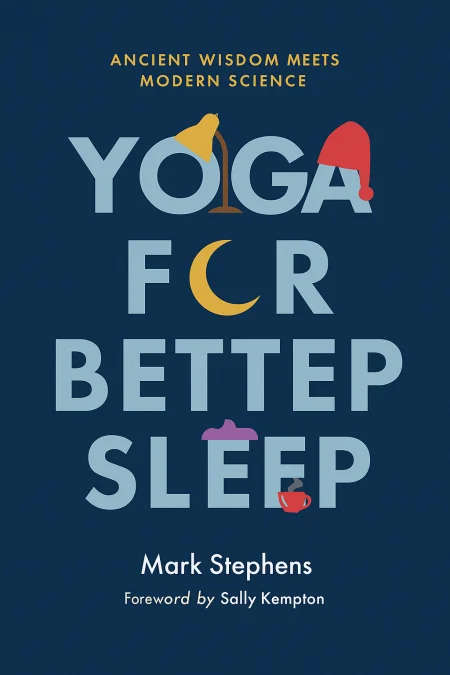
Yoga for Better Sleep
Ancient Wisdom Meets Modern Science
byMark Stephens, Sally Kempton
Book Edition Details
Summary
When the chaos of modern life leaves you tossing and turning, let ancient wisdom guide you to tranquil slumber. In "Yoga for Better Sleep," celebrated yoga teacher Mark Stephens marries the time-tested practices of yoga with cutting-edge sleep science. This guide is more than just a series of poses; it’s a transformative journey toward restful nights and revitalized days. Through age-appropriate sequences, calming breathwork, and mindful meditation, Stephens offers a natural remedy for the ills of sleep deprivation. Whether you’re a stressed-out adult or a restless child, this book provides the tools to banish insomnia and embrace the healing power of sleep—no pharmaceuticals needed. Discover how a few simple adjustments to your nightly routine can lead to profound changes in your overall well-being.
Introduction
Picture this: it's 2 AM, and you're lying in bed staring at the ceiling, your mind racing through tomorrow's to-do list while your body feels exhausted. You're not alone—millions of people worldwide struggle with sleep issues, tossing and turning night after night. What if the solution to better sleep wasn't found in a pill bottle, but in practices that have been quietly perfecting the art of rest for thousands of years? This book bridges the fascinating gap between ancient yoga wisdom and cutting-edge sleep science, revealing how these two seemingly different worlds actually complement each other beautifully. You'll discover how your nervous system can be trained to relax on command, why certain breathing patterns can literally reprogram your brain for better sleep, and how simple postures practiced before bedtime can transform your nights from restless struggles into peaceful journeys of restoration. The marriage of Eastern practices with Western research offers hope for anyone seeking natural, sustainable solutions to sleep challenges.
The Science of Sleep: Understanding Your Body's Natural Rhythms
Sleep isn't just the absence of wakefulness—it's an incredibly sophisticated biological orchestra playing a complex symphony every night. Your body operates on what scientists call circadian rhythms, internal clocks that tick away in nearly every cell, synchronized like a master conductor directing when you should feel alert and when you should feel sleepy. At the heart of this system lies a tiny cluster of cells in your brain called the suprachiasmatic nucleus, which acts like a biological timekeeper, responding primarily to light cues to release hormones like melatonin when darkness falls. But there's another player in this sleep symphony called sleep pressure, which builds up the longer you stay awake through the accumulation of a chemical called adenosine. Think of it like a dimmer switch gradually turning down your alertness throughout the day. When these two systems—your internal clock and sleep pressure—work together harmoniously, you naturally feel drowsy at bedtime and alert in the morning. However, modern life often throws these rhythms out of sync through artificial light, irregular schedules, and stress. Understanding these natural rhythms is crucial because they explain why forcing sleep often backfires, while working with your body's natural tendencies succeeds. When you align your daily activities with these biological rhythms—exposing yourself to bright light in the morning, dimming lights in the evening, and maintaining consistent sleep-wake times—you're essentially tuning your internal orchestra to play in perfect harmony. This scientific foundation provides the rationale for why yoga practices, which emphasize rhythmic breathing, gentle movement, and mindful awareness, can be so effective at supporting your body's natural sleep processes.
Common Sleep Disorders: From Insomnia to Sleep Apnea
Sleep disorders affect nearly one-third of the adult population, yet they're often misunderstood or misdiagnosed. Insomnia, the most common sleep disorder, isn't just about having trouble falling asleep—it encompasses difficulty staying asleep, waking too early, or experiencing unrefreshing sleep despite spending adequate time in bed. What many people don't realize is that insomnia rarely exists in isolation; it's often intertwined with stress, anxiety, depression, chronic pain, or lifestyle factors like caffeine consumption and irregular schedules. Sleep apnea represents a different category of sleep disruption, where breathing repeatedly stops and starts during sleep, sometimes hundreds of times per night. This creates a cascade of problems: fragmented sleep, reduced oxygen levels, and increased strain on the cardiovascular system. While severe cases require medical intervention, mild to moderate sleep apnea can often be improved through lifestyle changes, including specific yoga practices that strengthen respiratory muscles and improve breathing patterns. The interconnected nature of sleep disorders reveals why a holistic approach often works better than treating symptoms in isolation. Stress might trigger insomnia, which leads to daytime fatigue, which increases anxiety, which worsens sleep quality—creating a vicious cycle. Similarly, poor sleep can exacerbate chronic pain conditions, while pain makes quality sleep nearly impossible. Understanding these connections helps explain why yoga's comprehensive approach—addressing physical tension, mental agitation, and breathing patterns simultaneously—can break these cycles more effectively than single-intervention approaches. Many sleep disorders also involve timing issues, where your internal clock becomes misaligned with your desired sleep schedule. This is particularly common in shift workers, frequent travelers, and teenagers whose natural circadian rhythms shift later during adolescence. Recognizing that these aren't character flaws or failures of willpower, but biological challenges that require specific strategies, opens the door to more compassionate and effective solutions.
Yoga Practices for Restful Nights: Poses, Breathing, and Meditation
The beauty of yoga for sleep lies in its multi-layered approach that addresses the physical, mental, and energetic aspects of rest simultaneously. Unlike exercises that rev up your system, sleep-focused yoga practices activate your parasympathetic nervous system—the "rest and digest" mode that naturally prepares your body for sleep. Gentle forward folds, supported backbends, and restorative poses create the perfect physiological conditions for drowsiness by lowering heart rate, reducing muscle tension, and calming the mind. Breathing practices, or pranayama, form the cornerstone of yoga's sleep-promoting effects. Techniques like extending your exhales longer than your inhales directly stimulate the vagus nerve, which signals your brain to shift into relaxation mode. Alternate nostril breathing balances the nervous system, while specific breath-retention exercises can help quiet mental chatter and reduce anxiety. These aren't just relaxation techniques—they're powerful tools that literally change your brain chemistry, reducing stress hormones like cortisol while increasing calming neurotransmitters. The meditation component adds another layer of effectiveness by training your mind to disengage from the day's worries and tomorrow's concerns. Progressive relaxation practices guide you through systematically releasing tension from every part of your body, while mindfulness techniques help you observe thoughts without getting caught up in them. One particularly effective approach is yoga nidra, often called "yogic sleep," which induces a state between waking and sleeping that can be incredibly restorative even if you don't fall fully asleep. The key to success with yoga for sleep is consistency and appropriate practice selection. Different sequences work better for different types of sleep issues—hyperarousal requires more calming, grounding practices, while depression-related sleep problems might benefit from slightly more energizing poses done earlier in the day. The practices are designed to be accessible regardless of flexibility or yoga experience, with modifications available for those with physical limitations or mobility challenges.
Sleep Solutions for Every Age: From Children to Seniors
Sleep needs and challenges evolve dramatically across the lifespan, requiring age-specific approaches for optimal results. Children's sleep issues often stem from developmental changes, anxiety about separation, or irregular routines, while their naturally high energy levels can make traditional relaxation challenging. Yoga for children focuses on playful movement, storytelling through poses, and simple breathing games that help them learn to self-soothe without feeling like they're being forced to "relax." Teenagers face unique sleep challenges due to biological shifts in their circadian rhythms that naturally delay sleep onset by several hours. This isn't laziness or rebellion—it's a documented physiological change that makes it genuinely difficult for adolescents to fall asleep before 11 PM or wake up early for school. Yoga practices for teens need to account for this shifted schedule while addressing the stress and emotional intensity common to this life stage. Sequences might include more dynamic movements earlier in the evening, followed by calming practices closer to their naturally later bedtime. Older adults experience multiple sleep-related changes: lighter sleep, more frequent awakenings, earlier bedtimes, and often chronic conditions that interfere with rest. Their yoga practices need to be gentler and more accessible, often incorporating chair-based poses or heavily supported positions. The focus shifts toward managing pain, reducing anxiety about sleep, and working with rather than against age-related changes in sleep architecture. Across all ages, the social and emotional aspects of sleep matter enormously. Children need to feel safe and secure, teenagers need validation that their sleep patterns are normal, and older adults often benefit from understanding that some sleep changes are natural rather than pathological. Family involvement can be crucial—teaching parents calming techniques they can model, helping partners support each other's sleep hygiene, and creating household routines that honor everyone's sleep needs. The most effective age-specific approaches combine physiological understanding with emotional support and practical lifestyle adjustments.
Summary
The convergence of ancient yoga wisdom and modern sleep science reveals a profound truth: optimal rest isn't just about closing your eyes and hoping for the best, but about consciously preparing your entire being—body, breath, and mind—for the restorative journey of sleep. This integrated approach offers hope for the millions struggling with sleep issues, providing natural, accessible tools that work with rather than against your body's innate wisdom. How might your relationship with sleep transform if you viewed bedtime not as an end to the day, but as a sacred practice of self-care and renewal? What possibilities might open up in your waking life when your nights become a source of true restoration rather than frustration? For anyone seeking alternatives to pharmaceutical sleep aids or looking to deepen their understanding of the sleep-wellness connection, this synthesis of Eastern practices and Western research offers both practical solutions and a more holistic way of thinking about one of life's most fundamental needs.
Related Books
Download PDF & EPUB
To save this Black List summary for later, download the free PDF and EPUB. You can print it out, or read offline at your convenience.
By Mark Stephens
