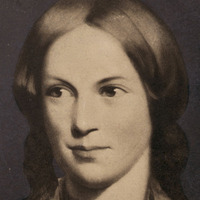
Charlotte Brontë
Charlotte Brontë, born on April 21, 1816, in the Yorkshire village of Thornton, England, emerged from a family whose literary legacy would become a cornerstone of Victorian literature. The daughter of an Anglican clergyman, Brontë's formative years were marked by the austere beauty of the moors and the early loss of her mother and two elder sisters, experiences that profoundly shaped her imaginative landscape. Educated at the Clergy Daughters' School at Cowan Bridge and later at Roe Head School, Brontë's intellectual pursuits were encouraged by her father and aunt, fostering a lifelong passion for writing. Her pseudonymous publication of 'Jane Eyre' in 1847 under the name Currer Bell propelled her from obscurity to literary prominence, allowing her to transcend the limitations imposed by her gender and societal norms. Among Brontë's oeuvre, 'Jane Eyre' stands as a paragon of Gothic and bildungsroman literature, intertwining themes of social criticism, morality, and the quest for identity. The novel's exploration of the eponymous heroine's tumultuous journey from a mistreated orphan to a self-reliant woman captivated readers and critics alike, securing its status as an international bestseller and a seminal work in English literature. Her later novel, 'Villette,' published in 1853, further cemented Brontë's reputation as a master of psychological depth, chronicling the inner life of Lucy Snowe with an introspective intensity that challenged the conventions of its time. Both novels continue to resonate with audiences, offering profound insights into the complexities of the human condition. Brontë's literary style is characterized by its vivid characterizations, intricate plotting, and the seamless integration of Romantic and Gothic elements into her narratives. Her prose, replete with emotional intensity and acute psychological insights, delves into themes of isolation, resilience, and the struggle for autonomy against societal constraints. Through her pioneering exploration of female consciousness and empowerment, Charlotte Brontë not only contributed enduring works to the literary canon but also forged a path for future generations of writers to explore the nuanced interplay between individual agency and social mores. Her legacy endures as a testament to the transformative power of literature.
New From Charlotte Brontë
More Books by Charlotte Brontë


by Paul J. Zak
by Rory Vaden
by Robert C. Solomon, Fernando Flores
by Brett Gardner
by Dennis S. Reina
by Julian Baggini
by Larry Downes, Omar Abbosh, Paul Nunes
by Jacqueline Woodson
by Kevin Oakes
by Lindsey Pollak, Kimberly B. Cummings, Kimberly Brown
