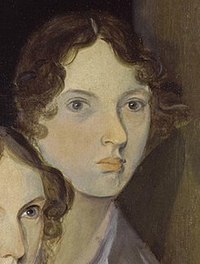
Emily Brontë
Emily Brontë, an enigmatic figure in the annals of English literature, was born on July 30, 1818, in the rural village of Thornton, Yorkshire. Her upbringing in the isolated moorlands of West Yorkshire, amidst the tumultuous winds and rugged landscapes, indelibly influenced her literary voice and thematic preoccupations. Emily was the fifth of six siblings in the Brontë family, which included the illustrious Charlotte and Anne Brontë. The siblings shared a profound literary camaraderie, nurturing each other's creativity within the confines of their parsonage home in Haworth. Despite the restrictive societal expectations of her era, Emily's oeuvre reflects a bold and introspective exploration of human passion and the natural world. Emily's enduring legacy is unequivocally tied to her singular novel, "Wuthering Heights," published in 1847 under the pseudonym Ellis Bell. Initially met with mixed reviews, the novel has since ascended to classic status, lauded for its innovative narrative structure and its intense exploration of love, revenge, and the supernatural. Set against the backdrop of the haunting Yorkshire moors, "Wuthering Heights" challenges conventional Victorian morality through its portrayal of the tumultuous relationship between its protagonists, Catherine Earnshaw and Heathcliff. The novel's intricate layered narrative and its darkly romantic themes have captivated readers and scholars alike, ensuring its place as a seminal work in the canon of English literature. Emily Brontë's writing style is characterized by its poetic intensity and profound emotional resonance. Her prose, imbued with a lyrical quality, deftly intertwines elements of Gothic fiction with deep psychological insight. Themes of isolation, the destructive nature of obsession, and the inexorable power of the natural environment permeate her work, reflecting her own introspective and reclusive nature. Although her literary output was minimal, Emily Brontë's contribution to literature is monumental, influencing successive generations of writers and cementing her status as a quintessential voice in the Romantic tradition. Her untimely death on December 19, 1848, left the world bereft of her unique literary genius, yet her legacy endures, a testament to her unparalleled vision and the haunting beauty of her solitary masterpiece.


by Paul J. Zak
by Rory Vaden
by Robert C. Solomon, Fernando Flores
by Brett Gardner
by Dennis S. Reina
by Julian Baggini
by Larry Downes, Omar Abbosh, Paul Nunes
by Jacqueline Woodson
by Kevin Oakes
by Lindsey Pollak, Kimberly B. Cummings, Kimberly Brown
