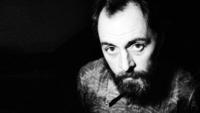
R.D. Laing
Ronald David Laing, a British psychiatrist born in 1927 in Glasgow, Scotland, emerged as a pivotal figure in the field of psychology during the mid-20th century. His formative years were heavily influenced by a rigorous education at Hutchesons' Grammar School and later at the University of Glasgow, where he delved into medicine. The turbulence of post-war Britain and his experiences in the military medical services contributed to his profound interest in the human psyche, particularly the nature of mental illness. Laing's pioneering approach to psychiatry, often associated with the anti-psychiatry movement, challenged conventional views and sought to humanize the treatment of individuals deemed mentally ill. Laing's seminal work, "The Divided Self: An Existential Study in Sanity and Madness," published in 1960, garnered critical acclaim for its groundbreaking perspective on schizophrenia. In this book, he argues that mental illness is not merely a biochemical imbalance but a complex existential condition influenced by social and interpersonal dynamics. This publication, alongside later works such as "Self and Others" and "Sanity, Madness and the Family," cemented his reputation as a radical thinker who questioned the established norms of psychiatric practice. His writings, while sometimes controversial, have been celebrated for their depth and have influenced both clinical practice and public understanding of mental health. Laing's literary style is characterized by a profound intellectual rigor, coupled with an empathetic sensitivity to the human condition. His prose often combines philosophical inquiry with clinical observations, providing rich, thought-provoking insights into the nature of human existence and its discontents. By advocating for a more compassionate and holistic approach to mental health, Laing has left an indelible mark on the field of psychiatry, inspiring subsequent generations of mental health professionals to explore the intricate interplay between mind, society, and self. His contributions continue to resonate, underscoring the enduring relevance of his existential and humanistic perspectives in contemporary discussions on mental health.


by James B. Comey
by Carl Safina
by Abby Norman
by Brian Lowery
by Irvin D. Yalom, Nicola Ferguson
by Pagan Kennedy
by Terah Kathryn Collins
by Juliana Stancampiano
by Max Horkheimer
by Elizabeth Earnshaw
