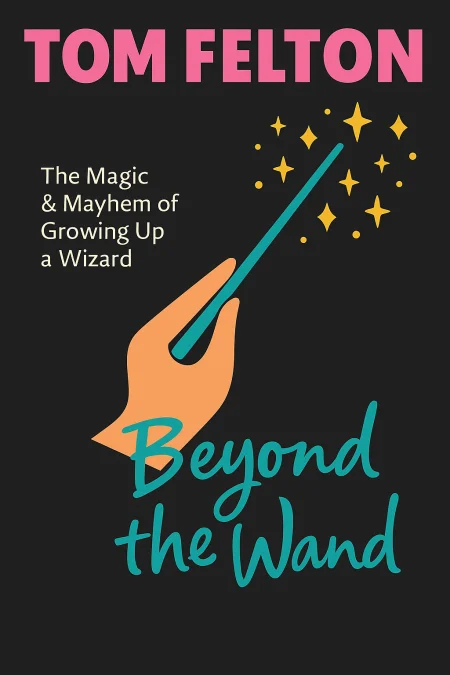
Beyond the Wand
The Magic and Mayhem of Growing Up a Wizard
Book Edition Details
Summary
When the spotlight shines on a young actor, it casts long shadows. In "Beyond the Wand," Tom Felton opens the door to his life on and off the set of the iconic Harry Potter series, offering a vivid glimpse of the boy behind Draco Malfoy's sneer. As a child, he stumbled into fame with roles like The Borrowers, but nothing compared to the tidal wave of notoriety brought by the wizarding world. Felton candidly recounts the humorous mishaps and heartwarming friendships formed with legends like Alan Rickman and Emma Watson, revealing a journey that oscillates between magic and reality. This memoir, laced with wit and insight, is a treasure trove for fans eager to discover the humanity behind the magic—a tale of growing up, fitting in, and finding one's place in a world both fantastical and real.
Introduction
Picture a twelve-year-old boy with bleached platinum hair, standing in the Great Hall of Hogwarts, sneering at Harry Potter with perfect disdain. For millions around the world, Tom Felton became the embodiment of Draco Malfoy, the privileged antagonist whose cold arrogance made him one of cinema's most memorable villains. Yet behind the Slytherin robes and practiced sneer lay a Surrey lad from a loving, chaotic family who stumbled into stardom almost by accident. Felton's story unfolds against the backdrop of one of the most successful film franchises in history, where he spent a decade growing up in the public eye while navigating the complexities of fame, friendship, and finding his authentic self. His journey reveals the stark contrast between playing a character defined by cruelty and coldness while maintaining the warmth and humor instilled by three older brothers who kept him grounded. Through his candid reflections, readers discover how a young actor learned to separate himself from his on-screen persona, the challenges of transitioning from child star to adult performer, and the often difficult path toward self-acceptance in an industry that can easily lose sight of what truly matters. This is not just the story of how Draco Malfoy came to life, but how Tom Felton learned to live authentically beyond the wand.
From Child Actor to Draco Malfoy
Tom Felton's path to Hogwarts began not with magical ambition, but with a mother's injured foot and a piece of glass. When Sharon Felton found herself on crutches and temporarily unable to work her multiple jobs, she finally had time to indulge her youngest son's pestering about getting a London agent. At seven, Tom had already appeared in commercials, including a memorable stint as a fake Macaulay Culkin lookalike in Times Square, but he approached acting with the casual indifference of a child more interested in football and fishing than fame. The Potter audition process revealed Tom's natural rebelliousness and lack of preparation. While other children arrived knowing every detail of the books, Tom had no idea what Quidditch was and brazenly fibbed his way through questions about Gringotts, assuming they were some sort of flying creature. His cockiness might have been off-putting, but it perfectly matched what the filmmakers were seeking in their antagonist. When director Chris Columbus dropped a prop egg during Tom's audition, most children would have panicked or tried to salvage the scene. Tom simply giggled, displaying the casual arrogance that would become Draco's signature trait. Initially cast readings for Harry and Ron proved unsuccessful, but when the role of Draco emerged, Tom's natural aloofness and slight standoffishness toward the younger cast members like Emma Watson worked in his favor. His real-life experience as the youngest of four brothers, constantly fighting for attention and respect, provided the perfect emotional foundation for a character born into privilege yet desperate for approval. The transformation from Surrey schoolboy to Slytherin prince required little more than bleached hair and an expertly crafted sneer, taught to him by his wise grandfather in front of hotel mirrors. What Tom couldn't have anticipated was how this role would define not just his career, but his entire adolescence. Landing Draco Malfoy meant joining a cultural phenomenon that would span a decade of his life, but it also meant embodying a character whose values stood in direct opposition to everything his loving, working-class family had taught him about kindness and humility.
Behind the Magic: Life on the Potter Set
The reality of filming Harry Potter bore little resemblance to the magical world audiences experienced on screen. Tom's typical day began at six in the morning with a car ride to the deliberately unglamorous Leavesden Studios, where the magic was created through painstaking technical precision rather than supernatural wonder. The infamous Door 5 led to rickety stairs and checkerboard linoleum floors that looked more like a run-down office building than the entrance to a fantasy empire. The elaborate process of becoming Draco required hours in hair and makeup every nine days for root touch-ups, followed by mandatory tutoring sessions that Tom found infinitely less engaging than the creative chaos of filming. The legal requirement for three hours of education daily was measured with stopwatches, creating a fragmented learning experience that left him longing for the social energy of his regular classroom. Yet these constraints were balanced by the extraordinary privilege of working alongside British acting royalty like Alan Rickman, Maggie Smith, and Michael Gambon, who treated the young cast members with remarkable patience and professionalism. Director Chris Columbus proved masterful at managing a set full of children by encouraging their natural playfulness rather than stifling it. His basketball court in the middle of the studios and his "awesome, man!" enthusiasm created an atmosphere where Tom and his fellow Slytherins Josh Herdman and Jamie Waylett could bond over music, mischief, and the occasional explosion of hot chocolate that left them banned from beverages on set. The red card system for disrupting takes cost Rupert Grint thousands of pounds but added a game-like element to the serious business of filmmaking. The technical aspects of creating movie magic often proved less glamorous than audiences might imagine. Flying scenes involved uncomfortable bike saddles on metal poles, with actors staring at tennis balls on sticks while fans blew in their faces. The elaborate Quidditch matches that thrilled millions were actually numbing, repetitive exercises in precision filmwork. Yet these unglamorous moments were balanced by genuine wonder at sets like the Great Hall, where Columbus strategically kept the young actors away until filming to capture their authentic amazement at the candlelit grandeur of their wizarding school.
Hollywood Dreams and Personal Struggles
The transition from Harry Potter to independent adult actor proved far more challenging than Tom had anticipated. After the unexpected gift of landing a major role in Rise of the Planet of the Apes without auditioning, he discovered that such opportunities were rare exceptions rather than the new normal. His move to Los Angeles thrust him into a world of constant rejection, where auditions became a numbers game with success rates of roughly one in a hundred. Initially, the superficial pleasures of Hollywood celebrity seemed intoxicating. The free designer clothes, borrowed luxury cars, and VIP treatment at exclusive venues fed an ego that had been kept firmly in check by three older brothers throughout his youth. Restaurant tables that should have been impossible to reserve suddenly became available at the mention of his name, and the paparazzi attention made even simple activities like grocery shopping feel like red carpet events. For someone who had always preferred anonymity, this sudden elevation to celebrity status created an addictive cycle of validation and entitlement. However, the gleaming surface of LA's entertainment industry gradually revealed its hollow core. Tom found himself surrounded by people whose friendships seemed contingent on his fame, leaving him craving the authentic human connections he had taken for granted back home in Surrey. The constant networking events, premieres, and celebrity social circuit began to feel like elaborate performances where he could never quite be himself. His natural self-deprecating humor, inherited from his father, translated poorly in environments where everyone took themselves with deadly seriousness. The relationship with his girlfriend Jade, who had been instrumental in supporting his career transition, became another casualty of his internal confusion. While she had encouraged his professional development and helped him navigate the technical aspects of audition tapes and career decisions, Tom gradually realized he had become unhealthily dependent on her opinions and guidance. The pressure of maintaining a relationship while struggling to understand his own identity in this new environment created tensions that neither his public success nor private wealth could resolve. The disconnect between his external circumstances and internal emotional state grew wider each day, setting the stage for the crisis that would eventually force him to confront these contradictions head-on.
Finding Authenticity Beyond Fame
Tom's journey toward authentic self-discovery began in the most unlikely place: a dive bar called Barney's Beanery, where Hollywood's beautiful people never ventured and nobody cared about his film credits. Surrounded by bartenders with wicked senses of humor and regulars who had seen everything, he found the genuine human connections that had been missing from his life in the celebrity circuit. These relationships, built on shared laughter rather than professional networking, reminded him of the values his family had instilled long before fame complicated his existence. The intervention that blindsided him in his management company's bank vault office felt like the ultimate betrayal, but it forced him to confront uncomfortable truths about his increasing dependence on alcohol and substances to escape his own thoughts. His dramatic midnight escape along the Malibu coastline, helped by three strangers whose kindness came without agenda or recognition, became a turning point that taught him the difference between material wealth and true richness. The elderly gas station attendant who gave his last twenty dollars while speaking about the abundance that comes from family and love provided a perspective that no amount of Hollywood success could match. The rehabilitation process, initially resisted and resented, became an unexpected gift of structure and self-reflection that Tom hadn't realized he desperately needed. Away from the constant noise of industry pressures and social expectations, he rediscovered the importance of simple goals, genuine relationships, and daily practices that connected him to something larger than his career anxieties. The facility's volunteer work with homeless communities reminded him that helping others provides more lasting satisfaction than any red carpet experience or professional achievement. His friendship with Greg Cipes, the eccentric Venice Beach philosopher who talked to seagulls and practiced gratitude rituals in the ocean, offered a completely different model for living authentically. Through daily beach resets, backward walks to create new neural pathways, and conversations about finding light in darkness, Tom learned that healing isn't a destination but an ongoing practice of choosing connection over isolation and gratitude over resentment. The recognition that mental health struggles would likely be a lifelong companion rather than a temporary setback allowed him to develop sustainable approaches to managing his well-being while pursuing meaningful work and relationships.
Summary
Tom Felton's remarkable journey from accidental child actor to self-aware adult reveals that the most important magic happens not on screen, but in the quiet moments when we choose authenticity over performance, connection over status, and service over self-absorption. His story demonstrates that growing up in the public eye, while providing extraordinary opportunities, can also create unique challenges in developing a genuine sense of self separate from public persona and professional achievements. The lessons embedded in his experience offer valuable insights for anyone struggling to balance external expectations with internal truth. His path suggests that seeking help when overwhelmed is a sign of strength rather than weakness, that genuine relationships matter more than professional networking, and that finding ways to help others often provides the most reliable route out of personal darkness. For young people navigating their own identity formation, particularly those facing unusual pressures or circumstances, Tom's journey offers hope that it's never too late to reconnect with core values and build a life based on authentic relationships rather than external validation. His transformation from the boy who embodied fictional cruelty to the man who speaks openly about vulnerability and mental health reminds us that our deepest struggles often become our greatest sources of wisdom and connection with others.
Related Books
Download PDF & EPUB
To save this Black List summary for later, download the free PDF and EPUB. You can print it out, or read offline at your convenience.
By Tom Felton
