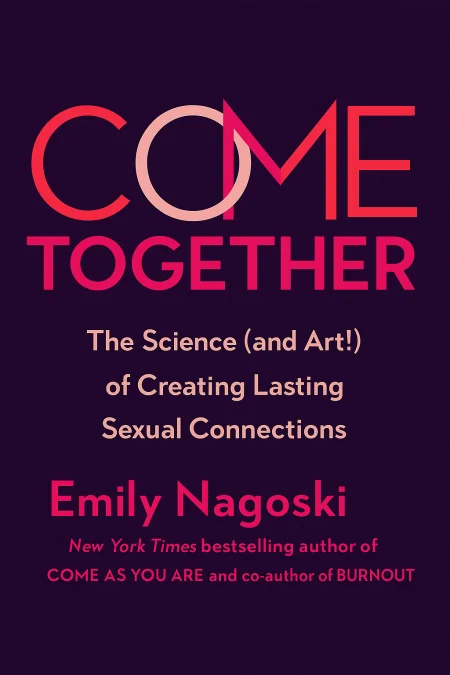
Come Together
The Science (and Art!) of Creating Lasting Sexual Connections
Book Edition Details
Summary
In the realm of lasting love, where passion often flickers and fades, Emily Nagoski, PhD, brings a fresh perspective to igniting desire and connection in Come Together. With the wisdom of a seasoned storyteller and the precision of a scientist, Nagoski dismantles myths about enduring romance, offering a guide to cultivating fulfilling intimacy beyond the honeymoon phase. This book doesn’t just tackle how often we engage in sex but delves into the heart of what makes it truly enjoyable. Through tales of personal struggles and triumphs, Nagoski reveals how stress, body image, and societal expectations can obstruct our pleasure and provides empowering strategies to reclaim it. Her approach is inclusive, embracing every relationship's unique dynamics, making this a must-read for anyone seeking to rejuvenate their sexual landscape with understanding and empathy. Whether you're rekindling an old flame or nurturing a new one, Come Together promises to light the way.
Introduction
Sarah stared at the ceiling, her partner breathing softly beside her. They'd been together for eight years, and somewhere along the way, the spark had dimmed to barely a flicker. She loved him deeply, but the passionate connection they once shared felt like a distant memory. Sound familiar? If you've ever found yourself wondering where the intimacy went in your long-term relationship, you're not alone. This book isn't about quick fixes or performance tricks. Instead, it's about understanding the real science behind lasting sexual connections and learning to create the conditions where pleasure can flourish naturally. Through compelling research and real stories from couples who've navigated these challenges, we'll explore how to build and maintain intimacy that deepens rather than fades over time. You'll discover that great long-term sex isn't about frequency or performance, but about something much more achievable and sustainable. The journey ahead will transform how you think about desire, pleasure, and connection, offering hope and practical wisdom for anyone seeking to nurture their most intimate relationships.
From Desire to Pleasure: Redefining Sexual Well-being
Meet Elena and Marcus, married for twelve years with two young children. Elena used to experience what she called "that hungry feeling" for sex, especially in their early relationship. But after kids, career pressures, and the daily grind of life, that spontaneous desire seemed to have vanished entirely. Marcus interpreted this as rejection, and Elena felt broken, like something was fundamentally wrong with her sexuality. They were caught in a cycle of pressure and withdrawal that left both feeling disconnected and frustrated. What Elena and Marcus discovered changed everything. The problem wasn't Elena's lack of spontaneous desire, it was their belief that spontaneous desire was the only "real" kind. When they learned about responsive desire, where interest emerges in response to pleasurable touch and connection rather than arising out of nowhere, Elena felt a profound sense of relief. She wasn't broken at all. Her body was responding exactly as it should, given their current life circumstances. Instead of waiting for desire to strike like lightning, they began creating contexts where pleasure could unfold naturally. This shift from chasing desire to centering pleasure represents a fundamental revolution in how we understand sexual well-being. When we stop measuring our sexuality against impossible standards and instead focus on whether we actually enjoy the intimate experiences we share, everything changes. The question becomes not "How often do I crave sex?" but "Do I like the sex I'm having?" This simple reframe opens up possibilities that the old model of spontaneous desire could never offer.
Mapping Emotional Landscapes: The Trust Foundation
David had always been the higher-desire partner in his relationship with Jamie. When Jamie seemed uninterested in sex, David would feel rejected and hurt, often retreating into what he called his "cave of resentment." Jamie, sensing David's disappointment, would feel guilty and pressured, which only made sexual connection feel more like an obligation than a joy. They were stuck in a pattern where David's hurt feelings and Jamie's guilt created an emotional environment where pleasure felt impossible for both of them. Everything shifted when they learned to map their emotional landscapes. David discovered that his hurt feelings were actually a form of panic about losing connection with Jamie, while Jamie's guilt was really a fear response to feeling pressured. Once they could identify these emotional states and understand how they moved between them, they could help each other navigate toward spaces where intimacy felt safe and appealing. David learned to recognize when he was in his "panic space" and developed ways to move toward curiosity instead. Jamie learned to identify the difference between pressure and invitation, and how to communicate their own emotional needs clearly. Understanding our emotional geography isn't just academic exercise, it's practical magic. When we can recognize which emotional space we're occupying and understand how different feelings connect to each other, we gain the power to consciously move toward states of mind where connection and pleasure become possible. This emotional literacy transforms conflict from something that threatens intimacy into information that can actually enhance it.
Breaking Cultural Scripts: Authentic Intimacy Beyond Myths
When Anna was diagnosed with chronic pain in her thirties, she and her partner Leo thought their sexual connection might be over. The medications affected her energy and mood, certain positions became uncomfortable, and the unpredictability of her symptoms made planning intimate time feel impossible. Anna felt like her body had betrayed not just her, but their relationship. Leo struggled with feeling helpless and worried about causing her pain, which created a distance between them that felt insurmountable. But something beautiful emerged from this challenge. As they learned to communicate more openly about Anna's needs and limitations, they discovered forms of intimacy they'd never explored before. They became more creative, more present, and more attuned to each other's responses. Leo learned to read Anna's subtle cues about what felt good on any given day, and Anna learned to trust that Leo could handle the reality of her condition without seeing her as fragile or broken. Their sexual connection became more varied, more communicative, and ultimately more satisfying than it had ever been before. Life will inevitably bring changes to our bodies, our circumstances, and our relationships. The couples who thrive sexually over the long term aren't the ones who avoid these challenges, but the ones who meet them with curiosity, creativity, and unwavering commitment to each other's pleasure and well-being. When we approach our changing bodies and evolving needs as opportunities for deeper intimacy rather than obstacles to overcome, we discover that limitations can actually expand our capacity for connection in ways we never imagined possible.
Summary
The path to lasting sexual connection isn't found in maintaining the passionate intensity of new love or conforming to cultural expectations about how sex "should" be. Instead, it lies in understanding that pleasure, not desire, is the true measure of sexual well-being. When couples learn to map their emotional landscapes and create contexts where both partners can access joy and connection, they discover that great sex isn't about performance or frequency, but about genuine mutual delight in each other's bodies and beings. The most profound insight from this exploration is that sexual connection deepens rather than diminishes when we approach it with curiosity, compassion, and patience. Every challenge, from changing bodies to shifting life circumstances, becomes an opportunity to know each other more fully and love each other more skillfully. The couples who sustain vibrant intimate connections over decades aren't the lucky ones who never face difficulties, they're the brave ones who meet each difficulty as a chance to grow closer together. Your sexual connection can become richer, more satisfying, and more joyful with time, if you're willing to tend it like the precious garden it truly is.
Related Books
Download PDF & EPUB
To save this Black List summary for later, download the free PDF and EPUB. You can print it out, or read offline at your convenience.
By Emily Nagoski
