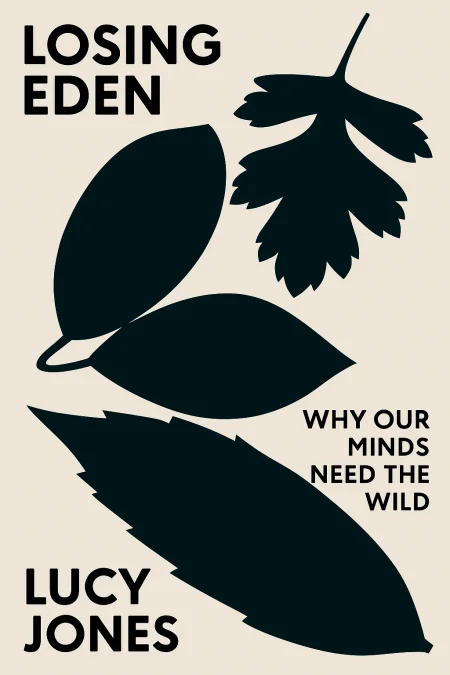
Losing Eden
Why Our Minds Need the Wild
Book Edition Details
Summary
Caught in the whirlwind of urban existence, we've drifted away from the pulse of the wild, yet the echoes of nature still shape our souls. Acclaimed journalist Lucy Jones beckons us to rediscover the profound connection we’ve nearly lost in "Losing Eden." Through a tapestry of cutting-edge research and personal narratives, Jones journeys from the urban forest schools of London to the heart of ancient woodlands in Poland, unveiling the symbiotic dance between human wellness and the natural world. Her narrative is a heartfelt call to reclaim our primal ties to the earth, suggesting that our salvation lies not just in preserving nature, but in embracing it as a vital partner in our mental and emotional resilience. This compelling exploration challenges us to ponder: as we isolate ourselves from nature, are we forsaking a part of our own humanity?
Introduction
Imagine a world where children have never seen a butterfly, where the closest they come to nature is watching holographic projections of long-extinct forests. This dystopian vision isn't science fiction—it's a potential future we're sleepwalking toward. Today's children spend less time outdoors than prison inmates, while ancient woodlands disappear at alarming rates and species vanish before we even discover them. Yet mounting scientific evidence reveals something remarkable: our brains are literally wired for nature connection, shaped by millions of years of evolution in natural environments. This disconnection isn't just an environmental tragedy—it's a mental health crisis. Depression rates soar in concrete jungles, while anxiety plagues generation after generation raised on screens instead of soil. But hidden within this crisis lies extraordinary hope. Revolutionary research is uncovering how forest bathing boosts immune systems, how soil bacteria acts like natural antidepressants, and how even brief glimpses of greenery can restore our attention and calm our minds. From Japanese shinrin-yoku practices to groundbreaking studies on urban tree canopies, science is proving what indigenous cultures have always known: we need wild places not just to survive, but to thrive mentally and spiritually.
The Science of Nature and Mental Health
Deep within our DNA lies an ancient blueprint for psychological wellbeing, one that requires regular contact with the living world around us. Scientists call this the biophilia hypothesis—the idea that humans possess an innate emotional affiliation with life itself. This isn't mere poetry; it's evolutionary biology. For 99% of human history, our ancestors lived intimately connected to forests, grasslands, and the rhythms of natural systems. Those who could read the landscape, find healing plants, and feel at home in nature were more likely to survive and pass on their genes. Modern neuroscience is revealing the biological mechanisms behind this ancient bond. When we walk through forests, our brains undergo measurable changes: stress hormone cortisol drops, the prefrontal cortex—responsible for worry and rumination—quiets down, and areas associated with restoration light up. Forest air contains natural chemicals called phytoncides that boost our immune systems, while soil bacteria trigger serotonin production in ways remarkably similar to antidepressants. Even the geometric patterns of leaves and branches, known as fractals, synchronize with our brain waves in ways that promote calm focus. Perhaps most fascinating is the role of our microbiome—the trillions of beneficial bacteria living in and on our bodies. Children raised on traditional farms, who play in soil and live alongside animals, develop more diverse microbial communities that protect against inflammation, allergies, and depression. These "old friends" as scientists call them, help regulate our immune response and communicate directly with our brains via the gut-brain axis. The implications are staggering: nature isn't just nice to have, it's a biological necessity. Studies of hospital patients show that even views of trees through windows speed recovery from surgery, while urban environments lacking greenery correlate with higher rates of anxiety, depression, and stress-related illness. We've created a world that starves our ancient neural pathways, then wonder why mental health problems have reached epidemic proportions.
Children's Disconnection from the Natural World
A generation of children is growing up biologically malnourished—not from lack of food, but from lack of contact with the living world that shaped our species. Today's young people spend twice as long staring at screens as playing outdoors, while three-quarters spend less time outside than prison inmates, who are guaranteed at least one hour of fresh air daily by international law. This represents a catastrophic shift from childhood just decades ago, when exploring woods, climbing trees, and discovering insects were normal parts of growing up. The consequences ripple through every aspect of child development. Studies show children with regular nature contact develop better concentration, enhanced creativity, improved social skills, and greater resilience to stress. Those playing in green spaces engage in more imaginative play and show reduced symptoms of attention deficit disorders. Conversely, children in urban environments with minimal greenery display higher rates of behavioral problems and struggle more with emotional regulation. The loss isn't just psychological—vitamin D deficiencies and myopia rates are skyrocketing among indoor-raised children. Educational systems compound this biological deprivation by prioritizing classroom hours over outdoor learning. Yet pioneering forest schools demonstrate that children learn more effectively when lessons move outside. These programs, where children spend entire days in woodlands, show remarkable results: improved academic performance, increased confidence, and dramatically better mental health outcomes. Children who attend forest schools display greater emotional resilience and maintain stronger connections to nature throughout their lives. The tragedy extends beyond individual wellbeing to threaten our planet's future. Children who never form emotional bonds with nature become adults less likely to protect it. This creates a vicious cycle where each generation cares less about environmental preservation, accelerating the very ecological destruction that impoverishes their own children's lives. Breaking this cycle requires urgent intervention—not just for the sake of individual children, but for the survival of the natural world itself.
Nature as Medicine: Therapeutic Applications
The most cutting-edge medical treatments aren't being developed in laboratories—they're growing in forests, gardens, and community green spaces. Across the globe, healthcare systems are rediscovering what traditional healers always knew: nature possesses profound therapeutic powers that can heal both body and mind. In Japan, doctors literally prescribe "forest bathing"—structured time in woodlands that measurably boosts immune function and reduces stress hormones. Korean hospitals invest millions in forest therapy centers, while Scottish physicians now write "nature prescriptions" directing patients to specific locations where they can observe wildlife and breathe clean air. The mechanisms behind these natural medicines are becoming increasingly clear. Hospital patients recovering from surgery heal faster and require fewer painkillers when their rooms overlook gardens rather than parking lots or brick walls. Contact with soil exposes us to beneficial bacteria that trigger serotonin production—nature's own antidepressant factory. Even the sounds of rustling leaves, flowing water, and birdsong activate our parasympathetic nervous system, shifting us from fight-or-flight stress responses into rest-and-digest healing states. Horticultural therapy programs demonstrate nature's power to help even the most vulnerable populations. In secure psychiatric facilities, patients who work with plants and soil show remarkable improvements in mood, social connection, and emotional regulation. The act of nurturing growing things provides purpose and hope, while the non-judgmental relationship with plants offers emotional safety for those struggling with human relationships. Veterans with PTSD report significant symptom reduction after wilderness therapy programs, finding in nature's rhythms a pathway back to inner peace. Perhaps most revolutionary is growing evidence that access to green spaces can reduce health inequalities between rich and poor. Areas with more trees and parks show lower rates of depression across all income levels, but the benefits are strongest for disadvantaged communities who have fewer other resources for stress relief. This suggests that investing in urban forests and community gardens isn't just environmental policy—it's preventive medicine that could transform public health outcomes while reducing healthcare costs.
Summary
The evidence is undeniable: humans didn't evolve to thrive in concrete boxes illuminated by artificial light, but in dynamic natural environments rich with sensory complexity and biological diversity. Our brains, immune systems, and emotional wellbeing all depend on regular contact with the living world that shaped our species over millennia. Yet we've created societies that systematically deprive us of this biological necessity, then wonder why anxiety, depression, and stress-related illness have reached crisis levels. This disconnection threatens not just individual health but our planet's future, as each generation grows up less emotionally connected to the natural world and therefore less motivated to protect it. However, the same scientific understanding that reveals this crisis also points toward solutions: forest therapy programs, urban rewilding projects, nature-based education, and green prescriptions that treat the root causes of modern mental health epidemics. The question facing us isn't whether we need nature—the evidence is overwhelming that we do. The question is whether we'll act on this knowledge before we lose both our sanity and our planet. How might we redesign our cities, schools, and healthcare systems to nurture the ancient biological bonds that keep us mentally healthy? And what would a civilization look like that truly understood the therapeutic power of the wild spaces that remain our greatest medicine?
Related Books
Download PDF & EPUB
To save this Black List summary for later, download the free PDF and EPUB. You can print it out, or read offline at your convenience.
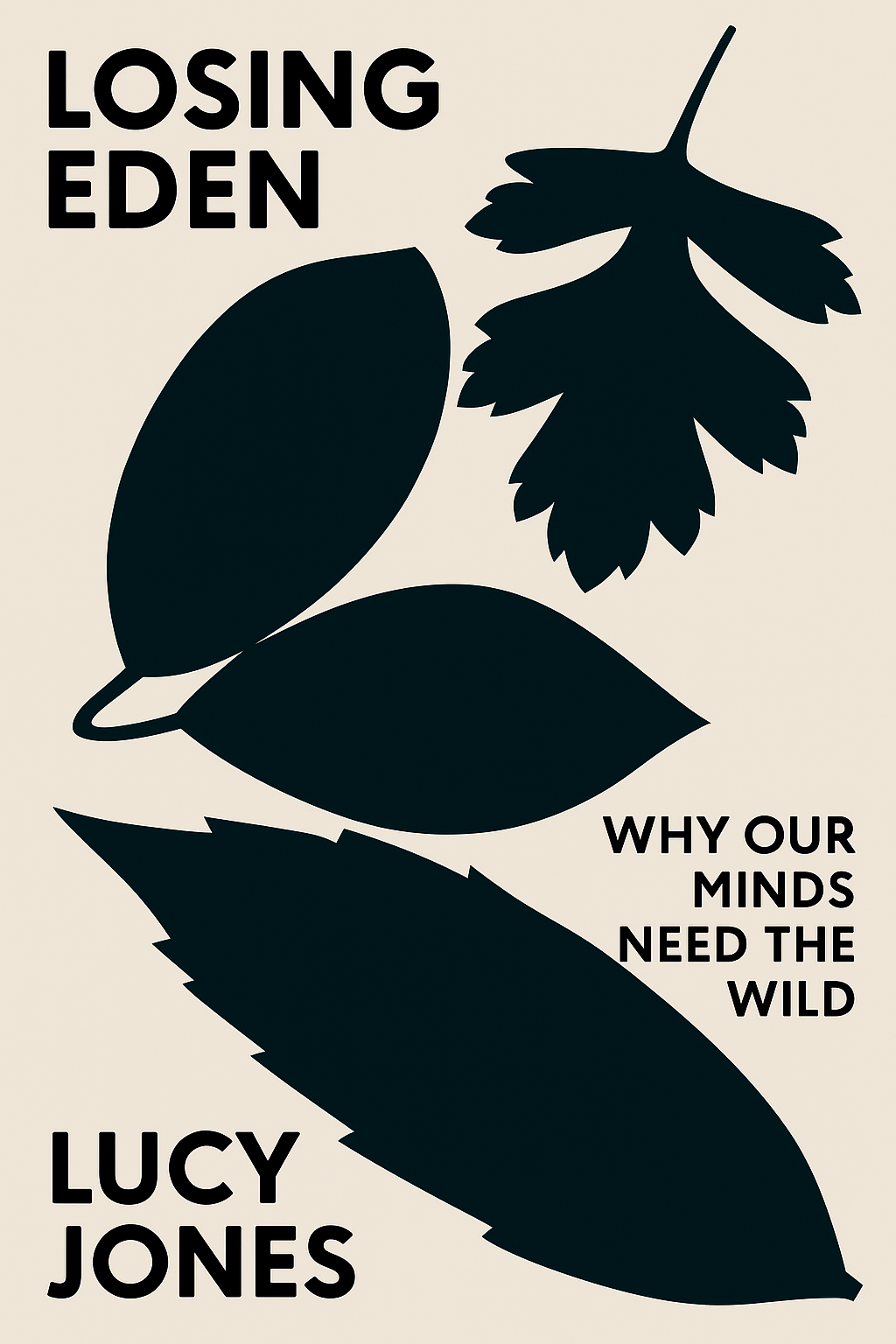
By Lucy Jones
