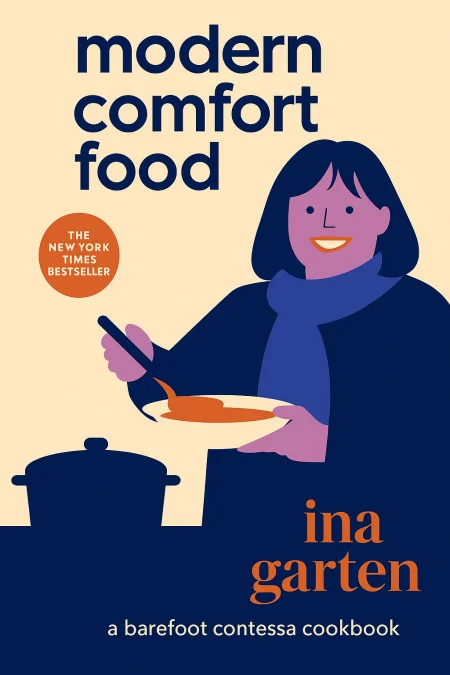
Modern Comfort Food
A Barefoot Contessa Cookbook
Book Edition Details
Summary
Amid the pages of "Modern Comfort Food," Ina Garten conjures a culinary embrace that warms both heart and soul. Known for her effortless elegance, Ina elevates cherished childhood dishes into gourmet delights. Revel in the gooey perfection of Cheddar and Chutney Grilled Cheese or savor the hearty allure of Smashed Hamburgers crowned with caramelized onions. Each recipe, from the crisped-to-perfection hash browns to the decadent Banana Rum Trifle, is crafted with Ina's signature warmth and precision. This collection isn't just about food; it's an invitation to gather, share, and indulge in moments of joy and comfort. Ideal for anyone who finds solace in the kitchen, Ina's twelfth cookbook is a testament to the timeless magic of home-cooked meals.
Introduction
The kitchen timer chimes, and suddenly the entire house fills with the warm aroma of something magical happening in the oven. Perhaps it's a bubbling cheese-topped casserole or golden-brown cookies that transport you instantly to childhood afternoons spent at your grandmother's kitchen counter. There's something profound about the way certain foods can reach past our taste buds and touch our very souls, offering comfort that goes far beyond mere sustenance. Food has always been humanity's most intimate language of love and care. When words fail us, we cook. When celebrations call, we gather around tables laden with dishes that tell our stories. When grief overwhelms, we show up at doorsteps with casseroles and homemade bread. This universal truth reveals itself in kitchens across cultures and continents, where the alchemy of simple ingredients transforms into something that nourishes not just our bodies, but our hearts and memories. Yet in our fast-paced modern world, many of us have lost touch with this fundamental source of comfort and connection. We've replaced homemade meals with convenience foods, family dinners with hurried takeout, and the therapeutic ritual of cooking with the stress of survival. But what if we could reclaim this ancient art of comfort through food, updating cherished traditions with fresh perspectives that honor both our heritage and our contemporary lives? This exploration invites you to rediscover the transformative power of comfort food, not as an escape from modern life, but as a bridge that connects our past with our present, our individual stories with universal human experiences, and our daily routines with moments of genuine joy and satisfaction.
What Makes Food Truly Comforting
The phone rang at 2 AM, delivering news that would forever change everything. In the days that followed, as shock gave way to numbness, neighbors appeared at the door with covered dishes and gentle smiles. There were casseroles that could feed an army, homemade soups that seemed to hold liquid comfort, and cookies that tasted like childhood security. Each dish carried an unspoken message: you are not alone, you are cared for, and somehow, everything will be okay. This instinct to reach for specific foods during times of crisis reveals something fundamental about human nature. When the world feels uncertain, we don't crave exotic cuisine or Instagram-worthy presentations. Instead, we gravitate toward foods that feel like hugs, tastes that remind us of safety, and dishes that connect us to memories when life felt simpler and more secure. These foods transcend mere nutrition to become emotional anchors. The magic lies not just in familiar flavors, but in the stories and memories these foods carry. A bowl of chicken soup becomes a vessel for maternal love. Fresh bread cooling on the counter transforms a house into a home. The sizzle of onions in a hot pan awakens anticipation and belonging. These foods work their comfort through multiple senses, creating a full-body experience that soothes anxiety and nurtures hope. What makes certain dishes universally comforting often comes down to their ability to satisfy our deepest psychological needs. They offer predictability in unpredictable times, warmth when the world feels cold, and richness when life feels lacking. The most comforting foods tend to engage all our senses while requiring minimal cognitive effort to enjoy, allowing us to sink into the experience without analysis or judgment. True comfort food speaks to our most authentic selves, bypassing intellectual pretense to reach the child within who simply wants to feel safe, loved, and satisfied. These dishes become edible expressions of care, both given and received, creating a continuous loop of nourishment that feeds body and soul in equal measure.
Updating Classic Recipes for Modern Life
Standing in her grandmother's kitchen, Sarah held the handwritten recipe card with trembling fingers. The ingredients were simple enough: flour, butter, eggs, sugar. But the instructions were cryptic by today's standards. "A pinch of this," "cook until it looks right," "you'll know when it's done." These weren't recipes as much as they were love letters written in a culinary shorthand that assumed knowledge passed down through generations of shared kitchen time. The challenge many face today lies in bridging this gap between cherished food memories and contemporary cooking realities. Our grandmothers had time to simmer sauces all day and the luxury of cooking skills learned through years of daily practice. Modern cooks often juggle careers, family responsibilities, and packed schedules while still yearning for those same flavors that defined comfort in earlier generations. The art of updating classic recipes isn't about abandoning tradition, but rather about honoring the essence of beloved dishes while adapting them to fit modern lifestyles. Sometimes this means using a slow cooker to achieve the same depth of flavor that once required hours of stovetop attention. Other times it involves incorporating contemporary ingredients that enhance nutritional value without compromising the emotional satisfaction that makes these dishes so meaningful. Successful updates often focus on maintaining the sensory experiences that make comfort foods so powerful while streamlining preparation methods. The goal is preserving the soul of a dish while making it accessible to home cooks who may lack extensive technique but possess abundant love and intention. This might involve using quality convenience ingredients strategically, employing modern kitchen equipment to simplify complex processes, or breaking elaborate recipes into manageable components. The most meaningful recipe updates honor both heritage and practicality, creating dishes that taste like cherished memories while fitting seamlessly into contemporary life, ensuring these culinary treasures continue to provide comfort for generations to come.
Bringing People Together Through Cooking
The dining room table sat empty for months after the divorce, too big for one person, too loaded with memories to bear. But then came the evening when courage overcame loneliness, and phone calls went out to friends who had been patiently waiting for an invitation. "Come over Saturday," the voice said with newfound determination. "I'm making my mother's lasagna." That Saturday evening, laughter once again filled the house as friends gathered around the table, passing dishes and sharing stories, transforming a space of solitude back into one of connection. Cooking for others represents one of humanity's most fundamental acts of love and community building. When we prepare food for friends and family, we're offering far more than mere sustenance. We're providing care, creating experiences, and building relationships through the universal language of shared meals. The act of cooking becomes a bridge that connects hearts across differences in age, background, or experience. The magic happens not just in the eating, but in the entire ritual surrounding food preparation and sharing. There's something deeply satisfying about seeing faces light up when a favorite dish appears on the table, watching conversations flow more freely over home-cooked meals, and witnessing how food creates natural opportunities for connection and intimacy that might otherwise require tremendous effort to achieve. Modern entertaining doesn't require perfection or elaborate presentations. The most memorable gatherings often center around simple, well-prepared dishes that allow the cook to actually participate in the evening rather than remaining trapped in the kitchen. Success lies in choosing recipes that can be partially prepared in advance, selecting menus that complement rather than compete with conversation, and remembering that guests come for connection, not performance. The greatest gift we offer when cooking for others isn't culinary excellence, but rather the time, attention, and care we invest in their nourishment and happiness. These shared meals become the foundation for stronger relationships, deeper community ties, and the kind of meaningful human connection that sustains us through all of life's seasons, reminding us that we belong to something larger than ourselves.
Summary
The kitchen holds secrets that extend far beyond recipes and techniques, revealing itself as a sanctuary where love takes tangible form and memories are preserved in flavors that transcend time. Through the simple act of cooking and sharing meals, we access an ancient wisdom about what it means to care for one another, creating comfort that goes deeper than any superficial remedy our hurried world might offer. The most profound comfort foods aren't necessarily the most complex or expensive, but rather those prepared with intention, served with love, and shared with appreciation. They remind us that true satisfaction comes not from perfection, but from authenticity, connection, and the willingness to nourish both body and soul. When we take time to prepare meals thoughtfully, we create opportunities for presence and mindfulness that our distracted culture desperately needs. The legacy of comfort through food lives not in rigid adherence to traditional methods, but in understanding the heart behind every cherished recipe and adapting that essence to serve our current circumstances and communities. Whether updating grandmother's casserole for busy weeknight dinners or creating new traditions that reflect our modern families, the goal remains constant: using food as a vehicle for expressing care, building relationships, and creating the kind of moments that become tomorrow's treasured memories. In a world that often feels fragmented and rushed, the kitchen offers us a chance to slow down, connect with our senses, and remember what truly matters. Every meal prepared with love becomes an act of resistance against disconnection, a small but powerful statement that relationships matter, that taking care of each other remains our highest calling, and that sometimes the most revolutionary thing we can do is simply invite someone to our table and feed them well.
Related Books
Download PDF & EPUB
To save this Black List summary for later, download the free PDF and EPUB. You can print it out, or read offline at your convenience.
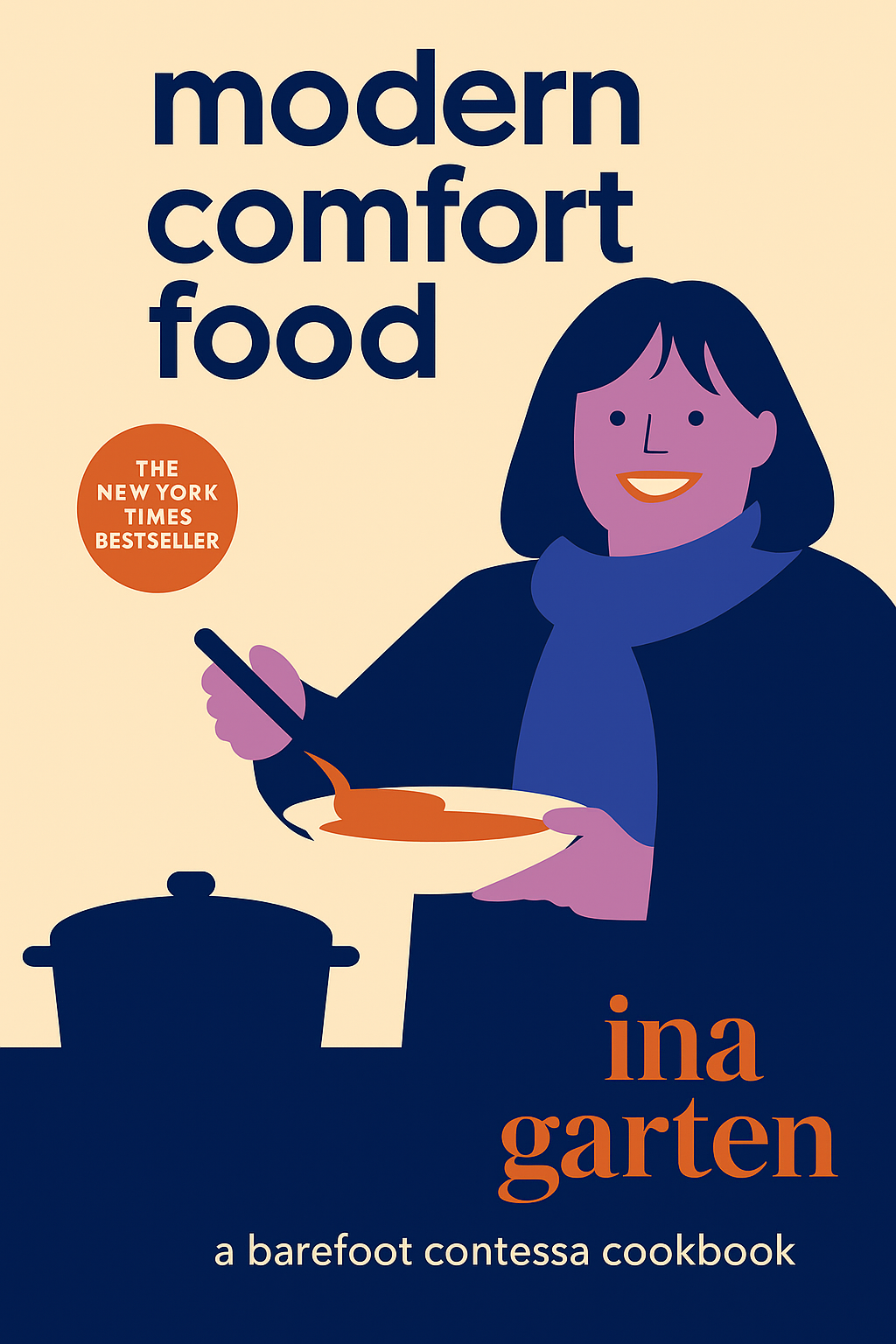
By Ina Garten
