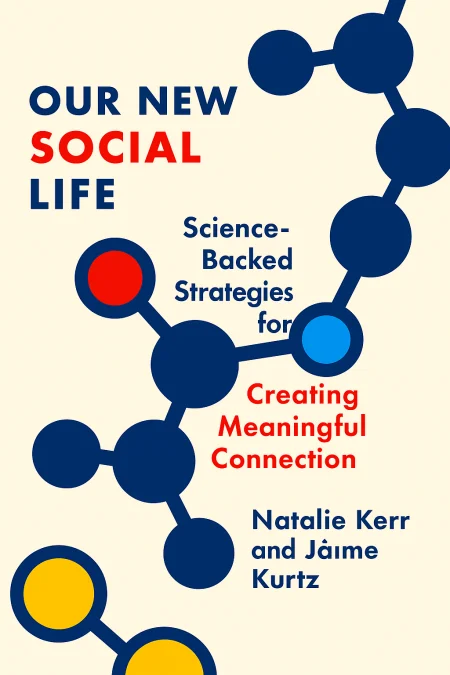
Our New Social Life
Science-Backed Strategies for Creating Meaningful Connection
Book Edition Details
Summary
In a fast-paced world where genuine connections often feel out of reach, "Our New Social Life" unravels the enigma of human interaction with clarity and warmth. Crafted by seasoned experts Natalie Kerr and Jaime Kurtz, this book delves into the nuances of forming meaningful bonds, offering insights grounded in decades of research. Whether you're stepping into a new phase of life, navigating the digital distractions of modern living, or yearning for deeper intimacy, this guide empowers you with practical strategies to cultivate fulfilling relationships. With a blend of science and empathy, it invites you to transcend barriers, embrace vulnerability, and discover the vibrant tapestry of connection that awaits. Welcome a new era of social engagement—one where isolation gives way to enduring companionship and heartfelt understanding.
Introduction
In our hyperconnected digital age, a curious paradox has emerged: despite having unprecedented access to others through technology, millions of people report feeling lonelier than ever before. While we can instantly message someone across the globe or scroll through hundreds of social media updates, many struggle to forge the deep, meaningful connections that truly nourish the human spirit. This phenomenon has reached such concerning levels that health officials have declared loneliness a public health epidemic comparable to smoking or obesity in its impact on our wellbeing. The challenge isn't simply about meeting more people or being more social. Instead, modern life has created subtle but powerful barriers that prevent us from accessing one of our most fundamental human needs: genuine social connection. These obstacles range from our own psychological blind spots and distorted thinking patterns to societal norms that inadvertently push us apart. Understanding the science behind human connection reveals not only why we struggle to bond with others despite our best efforts, but also provides practical, research-backed strategies for overcoming these barriers. Through exploring the biological foundations of our social nature and the surprising factors that create lasting bonds, we can learn to navigate the complex landscape of modern relationships and cultivate the meaningful connections we all crave.
Why We're Wired for Connection: The Biology of Belonging
At the most fundamental level, humans are social creatures whose survival has always depended on cooperation and community. This isn't merely a philosophical observation but a biological reality encoded in our DNA and brain structure. Scientists have discovered that our need for social connection is as essential as our need for food, water, and shelter, operating through sophisticated neural networks that evolved over millions of years. When researchers studied what happens in the brain during social rejection, they made a remarkable discovery: the same regions that process physical pain also activate when we experience social pain. Being excluded or rejected literally hurts in the same way as a physical injury. This overlap exists because, for our ancestors, being cast out from the group often meant death. Those who felt the sting of social rejection and were motivated to repair relationships were more likely to survive and pass on their genes. Our brains also maintain what scientists call "social homeostasis," similar to how our bodies regulate temperature or blood sugar. When we become socially isolated, specific neurons create a craving for human contact that mirrors the way our bodies crave food when hungry. Studies tracking people during periods of isolation show brain activity remarkably similar to that of someone who hasn't eaten in hours. This biological drive helps explain why solitary confinement is considered one of the harshest punishments, and why many people struggled so intensely during pandemic lockdowns. The health benefits of strong social connections are profound and measurable. Research following thousands of people over decades reveals that those with robust social ties live longer, have stronger immune systems, and show greater resilience to stress. Conversely, chronic loneliness creates inflammation in the body and weakens our defenses against disease. Understanding that our need for connection is hardwired rather than optional helps us recognize why prioritizing relationships isn't selfish or frivolous, but essential for our survival and thriving.
Modern Obstacles to Social Bonds: Technology, Norms, and Distorted Thinking
Contemporary society has inadvertently constructed numerous barriers to the deep connections our biology craves. Perhaps most obvious is our relationship with technology. While digital tools can facilitate connection, they often substitute quantity for quality. The average person checks their phone over 100 times per day, frequently during face-to-face conversations. This phenomenon of "phubbing" being phone-snubbed by someone scrolling their device creates feelings of rejection and disconnection even when we're physically together. Social media compounds this issue by creating a highlight reel effect where we compare our mundane daily reality to others' carefully curated presentations. This comparison trap leaves people feeling inadequate and isolated, believing everyone else has richer social lives than they actually do. Additionally, the passive consumption of others' content creates an illusion of connection without the reciprocal vulnerability and investment that builds genuine bonds. Cultural norms around busyness and productivity have also shifted dramatically. Being overwhelmed has become a status symbol, and many people pack their schedules so tightly that there's little room for spontaneous social interaction. The intensive parenting style now common in many countries demands that parents invest enormous time and energy in their children's activities, often at the expense of adult friendships and community connections. Meanwhile, gender norms particularly for men discourage the emotional vulnerability and closeness that characterize deep friendships. Perhaps most insidiously, our thinking patterns themselves become distorted in ways that sabotage connection. When lonely, people develop hypervigilance to social threats, interpreting neutral interactions as rejections and becoming defensive in ways that actually push others away. This creates a self-fulfilling prophecy where fear of rejection leads to behaviors that increase the likelihood of rejection. Recognizing these modern obstacles is the first step toward dismantling them and creating space for authentic connection to flourish.
The Psychology of Liking: Simple Strategies for Building Relationships
The process of forming connections and friendships follows predictable patterns that are both simpler and more controllable than most people realize. Rather than being mysterious chemistry or innate charisma, likability operates through several straightforward psychological principles that anyone can leverage. Understanding these mechanisms demystifies relationship building and provides concrete tools for expanding our social circles. Proximity plays a crucial role that people often underestimate. We tend to form friendships with those we see regularly whether neighbors, coworkers, or fellow regulars at the gym or coffee shop. This "mere exposure effect" means that simply being visible and present in others' lives creates familiarity, which breeds comfort and affinity. The key insight is that you don't need to be the most charming person in the room; consistency and visibility matter more than we typically recognize. Similarity serves as another powerful bonding agent, though not in the ways people might expect. While sharing obvious traits like backgrounds or interests helps, even small similarities can create connection. Researchers have found that people bond over wearing similar colors, having birthdays in the same month, or sharing trivial preferences. This suggests we should actively look for common ground rather than focusing on differences, and that initial connections often form around surprisingly modest shared experiences. The expression of positivity through genuine smiles, active listening, and authentic interest in others creates magnetic appeal. People are drawn to those who make them feel good about themselves and the interaction. This doesn't require forced cheerfulness, but rather a willingness to be present and engaged with curiosity about the other person's experiences and perspectives. Simple actions like remembering details from previous conversations, asking thoughtful questions, and showing appreciation for others' qualities create powerful impressions that lay the foundation for deeper relationships. These fundamental principles work because they satisfy basic psychological needs for recognition, understanding, and positive regard that all humans share.
Creating Deep Connection: From Self-Compassion to Transcendent Experiences
Moving beyond surface-level interactions to create meaningful bonds requires understanding both the barriers to intimacy and the specific practices that foster deep connection. Many people struggle not from lack of social opportunities, but from reluctance to engage in the vulnerability and emotional risk-taking that transforms acquaintances into close friends or partners. Self-disclosure the gradual sharing of increasingly personal thoughts, feelings, and experiences forms the cornerstone of intimate relationships. However, this process often feels dangerous because it requires showing our imperfect, complex selves rather than maintaining a polished facade. Research reveals that we systematically underestimate others' interest in our authentic experiences while overestimating how awkward or burdensome our openness will be. The "beautiful mess effect" shows that we view vulnerability as strength in others but weakness in ourselves, creating a perception gap that inhibits genuine sharing. Responsiveness to others' bids for connection determines whether relationships deepen or stagnate. This means not just offering support during crises, but also celebrating successes with genuine enthusiasm and paying close attention to the everyday moments when people share their thoughts or feelings. Active listening, asking thoughtful follow-up questions, and remembering important details from previous conversations all signal that we value the other person and their experiences. Creating connection extends beyond interpersonal interactions to include practices that enhance our capacity for relationships. Self-compassion developing a kind, understanding relationship with ourselves increases our emotional stability and reduces the defensive behaviors that push others away. Mindfulness practices help us stay present during social interactions rather than getting lost in self-critical thoughts or planning what to say next. Even solitary activities like gratitude journaling, meditation, or spending time in nature can strengthen our inner sense of connection, making us more open and available for meaningful relationships with others. These practices work synergistically, creating an upward spiral where increased self-acceptance and inner calm enhance our ability to connect authentically with others.
Summary
The fundamental insight from the science of human connection is that our deep need for meaningful relationships is not a luxury or weakness, but a biological necessity as essential as food or shelter. Modern life has created unprecedented barriers to satisfying this need, from technological distractions and cultural norms that prize busyness over relationships, to psychological traps that distort our perceptions and sabotage our efforts to connect. However, understanding these obstacles reveals that they are largely surmountable through conscious effort and evidence-based strategies. Simple actions like prioritizing face-to-face interactions, looking for commonalities with others, practicing vulnerability and active listening, and cultivating self-compassion can dramatically improve our relationships and overall wellbeing. This research raises important questions about how we structure society and our personal lives: What would change if we truly prioritized connection alongside productivity and achievement? How might we redesign communities, workplaces, and even technology to support rather than hinder our fundamental need for belonging? For readers seeking to transform their relationships and contribute to a more connected world, this science offers both hope and practical guidance for creating the meaningful bonds that make life truly fulfilling.
Related Books
Download PDF & EPUB
To save this Black List summary for later, download the free PDF and EPUB. You can print it out, or read offline at your convenience.
By Natalie Kerr
