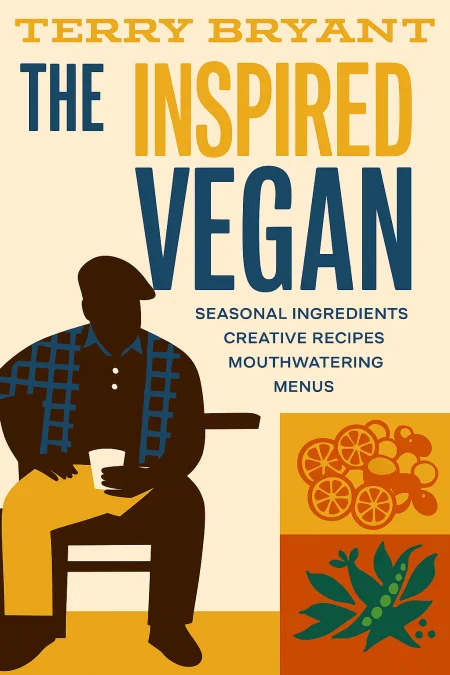
The Inspired Vegan
Seasonal Ingredients, Creative Recipes, Mouthwatering Menus
Book Edition Details
Summary
A culinary revolution unfolds in "The Inspired Vegan," where Bryant Terry orchestrates an artistic fusion of flavors, stories, and culture. Celebrating a decade of transforming the food landscape, Terry crafts an experience akin to a vibrant jazz jam session or a dynamic hip-hop cipher. This isn't merely a cookbook; it's a sensory journey through simple yet profound recipes that empower you to improvise and innovate in your kitchen. With menus echoing the rhythms of family tales, social movements, and visionary dreams, each dish is a testament to the power of fresh, seasonal ingredients. Dive into this masterpiece that enriches not just the palate, but the soul, weaving music, literature, and art into every bite.
Introduction
The simple act of preparing a meal transforms into something profound when viewed through the lens of community and justice. In kitchens across America, a quiet revolution is taking place where the choices we make about what to cook and how we share food become powerful tools for social change. This movement recognizes that access to fresh, wholesome ingredients should not depend on zip code or income level, and that the ritual of gathering around a table creates bonds that extend far beyond the meal itself. When we embrace plant-based cooking as both a personal practice and a community-building tool, we discover that every recipe carries the potential to nourish not just our bodies, but our relationships and our commitment to a more equitable world. The kitchen becomes a space where cultural traditions merge, where seasonal ingredients tell stories of local farmers, and where the act of feeding others becomes an expression of love and resistance against systems that deny basic nutrition to so many.
Building Your Foundation: Essential Techniques and Ingredients
Mastering plant-based cooking begins with understanding that flavor development requires patience and intention rather than relying on animal products for depth. The foundation lies in creating aromatic bases through techniques like caramelizing onions until they become sweet and golden, building complex spice blends that awaken all the senses, and learning to extract maximum flavor from vegetables through proper roasting and sautéing methods. Bryant Terry's journey from traditional Southern cooking to revolutionary plant-based cuisine illustrates this transformation beautifully. Growing up in Memphis, he watched his grandmother work magic in her kitchen, creating deeply satisfying meals from simple ingredients like greens, beans, and grains. When he decided to eliminate animal products from his cooking, he faced the challenge of recreating those rich, soul-satisfying flavors that had defined his culinary heritage. Rather than abandoning his roots, he discovered that techniques like making aromatic stocks from roasted vegetables, creating complex spice mixtures, and using ingredients like miso and nutritional yeast could deliver the umami and depth he remembered from childhood. Through months of experimentation, Terry found that his grandmother's approach of slow-cooking vegetables until they released their natural sweetness translated perfectly to plant-based cooking. He learned to build layers of flavor by starting with a proper soffritto of onions, carrots, and celery, adding garlic and spices at just the right moment, and finishing dishes with bright acids like lemon juice or vinegar that made all the other flavors sing. The key to developing these skills lies in practicing fundamental techniques repeatedly until they become second nature. Start by learning to properly caramelize onions, taking them slowly from raw to golden brown over twenty to thirty minutes. Master the art of blooming spices in oil to release their essential oils. Practice roasting vegetables at high heat to develop caramelized edges while maintaining tender centers. Build a collection of homemade spice blends and learn to adjust seasoning throughout the cooking process rather than just at the end. Focus on building a well-stocked pantry with high-quality oils, vinegars, dried spices, and specialty ingredients like tahini, miso, and coconut milk. These investment pieces will elevate simple vegetables into memorable dishes. Keep a notebook of successful flavor combinations and techniques that work well for your palate, creating your own reference guide for future cooking adventures.
Seasonal Menus for Community Gatherings
Designing menus around seasonal ingredients creates natural opportunities to bring people together while supporting local food systems and honoring the rhythms of nature. This approach transforms meal planning from a mundane task into a celebration of what the earth offers us in each season, while building anticipation and excitement around limited-time flavors and textures. The concept came alive during one of Terry's spring dinner parties, when he designed an entire menu around the brief season when both asparagus and broad beans were at their peak in Northern California. Rather than serving individual dishes, he created a cohesive experience that told the story of spring awakening through food. The evening began with sparkling rosemary-grapefruit water that captured the brightness of the season, followed by savory grits topped with sautéed broad beans and roasted fennel that celebrated the tender vegetables emerging from winter dormancy. Each dish built on the others, creating a narrative arc that moved from light and refreshing to hearty and satisfying, ending with a ginger-molasses cake that bridged the gap between winter's warming spices and spring's fresh optimism. As guests moved through the meal, they found themselves naturally discussing the sources of their food, sharing memories of their own seasonal eating experiences, and making plans to visit the farmers market together. The menu had created not just a dinner party, but a community of people connected through their shared appreciation of seasonal eating and the stories that food can tell when we pay attention to its origins. Creating seasonal menus requires developing relationships with local farmers and learning to plan meals around what will be available rather than what you might crave at any given moment. Visit farmers markets regularly to understand the rhythm of your local growing season. Build flexibility into your menu planning by having backup options for key ingredients. Learn preservation techniques like pickling and fermenting that allow you to extend seasonal flavors throughout the year. Plan your gatherings around the peak seasons for ingredients you want to highlight, and design the flow of the meal to tell a coherent story about the season. Create dishes that can be partially prepared in advance so you can spend time with your guests rather than being stuck in the kitchen. Most importantly, communicate the seasonal story to your guests, helping them understand the thoughtfulness behind each dish and creating opportunities for meaningful conversation about food, community, and our connection to the land.
From Local Gardens to Global Justice
Plant-based cooking becomes a form of activism when we understand the connections between our food choices and larger systems of justice, equity, and environmental sustainability. Every decision about what to cook, where to shop, and how to share food ripples outward to impact farmworkers, local economies, and global climate patterns in ways that can either perpetuate harm or contribute to healing. This realization crystallized for Terry during his work with urban youth in New York City, where he witnessed firsthand how food apartheid affected communities of color. In neighborhoods like the one where he taught cooking classes, residents had to travel significant distances to access fresh produce, while corner stores offered primarily processed foods high in sodium and preservatives. He watched teenagers discover vegetables they had never tasted despite living in one of the world's most diverse cities, simply because economic and geographic barriers had limited their access to fresh food. Working with these young people, he began to understand that teaching cooking skills without addressing the systemic issues that limited food access was insufficient to create lasting change. Terry's approach evolved to connect every cooking lesson with conversations about food justice, encouraging his students to see themselves as part of a larger movement working to ensure that everyone has access to healthy, culturally appropriate food regardless of their zip code or income level. They began visiting urban farms, attending city council meetings about food policy, and organizing community potlucks that brought neighbors together around shared meals and shared advocacy. The transformation occurred when these young people began to see cooking not just as a life skill, but as a form of resistance against systems designed to keep them unhealthy and disconnected from their cultural food traditions. They learned to prepare dishes that honored their heritage while supporting local farmers and businesses owned by people who looked like them. Begin your own food justice journey by researching the food landscape in your community, identifying food deserts and learning about organizations working to increase access to fresh produce. Support businesses and farmers who prioritize fair labor practices and environmental sustainability. Use your purchasing power intentionally to vote for the kind of food system you want to see in the world. Consider how you can share resources and knowledge within your community, whether through cooking for neighbors, volunteering with food assistance programs, or advocating for policy changes that address systemic barriers to food access. Transform your kitchen into a space for education and organizing by hosting discussions about food policy alongside shared meals.
Summary
The journey toward inspired plant-based cooking reveals that the simple act of preparing food becomes revolutionary when approached with intention, community connection, and commitment to justice. As Terry reminds us throughout his work, "We can talk about local, seasonal, and sustainable for days, but if people don't feel connected to this type of food, why would they fight for it?" This insight captures the essential understanding that lasting change happens not through preaching or policies alone, but through creating experiences that allow people to fall in love with wholesome food and the communities that grow, prepare, and share it. The path forward requires each of us to begin where we are, with whatever resources we have available, transforming our own kitchens into spaces of creativity, connection, and quiet activism that ripples outward to nourish our communities and our world. Start today by choosing one seasonal ingredient, learning its story from seed to plate, and sharing that knowledge along with a delicious meal that brings people together around your table.
Related Books
Download PDF & EPUB
To save this Black List summary for later, download the free PDF and EPUB. You can print it out, or read offline at your convenience.
By Terry Bryant
