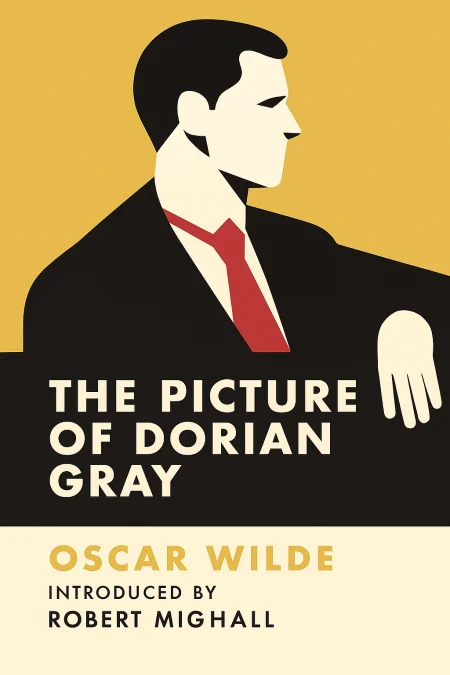
The Picture of Dorian Gray
One Man’s Obsession With Beauty and Youth, and His Downfall
Book Edition Details
Summary
Behold the enigma of Dorian Gray, a man whose allure never fades, though his deeds paint a darker tale. When Dorian trades his soul for perpetual youth, the world sees only the immaculate facade of a gentleman, while the true cost of his desires festers unseen—on a portrait hidden from society's gaze. Guided by the hedonistic whispers of Lord Henry Wotton, Dorian's life becomes a paradox of splendor and secretive ruin. Oscar Wilde's Gothic masterpiece scandalized its time, daring to hint at sins unspoken and beauty's perilous edge. This edition unveils the controversy it stirred, including the damning contemporary critiques that branded its morality suspect. Dorian Gray's haunting narrative endures, a timeless dance between visible grace and concealed corruption, challenging the boundaries of appearance and reality.
Introduction
In the glittering salons of Victorian London, no figure commanded attention quite like Oscar Wilde. With his razor-sharp wit and flamboyant personality, he could reduce an entire dinner party to helpless laughter with a single perfectly crafted epigram. Yet beneath the sparkling surface of this literary dandy lay a man whose pursuit of beauty and truth would ultimately lead to his spectacular downfall. Born into Dublin's intellectual elite, Wilde rose to become the most celebrated playwright of his era, only to fall from grace in one of the most dramatic scandals of the nineteenth century. His story encompasses the full spectrum of human experience, from triumph to tragedy, from artistic brilliance to personal ruin. Through his experiences, we witness not only the making of a literary genius but also the profound courage required to live according to one's deepest convictions, regardless of the cost. His tale offers timeless insights into the nature of creativity, the power of language, and the ultimate meaning of a life lived in service to beauty and truth, revealing how one man's refusal to compromise his authentic self transformed him from society's darling into its most tragic casualty.
From Dublin to Oxford: The Making of an Aesthete
Oscar Fingal O'Flahertie Wills Wilde entered the world in Dublin in 1854, born into a family that prized intellectual achievement above all else. His father, Sir William Wilde, was a renowned eye surgeon and antiquarian, while his mother, Jane Francesca Elgee, wrote fiery nationalist poetry under the pseudonym "Speranza." The Wilde household buzzed with literary conversation, political debate, and artistic discourse, creating an atmosphere where young Oscar's precocious wit and love of language could flourish from his earliest years. At Trinity College Dublin and later at Oxford's Magdalen College, Wilde encountered the aesthetic philosophy that would shape his entire worldview. Under the influence of thinkers like John Ruskin and Walter Pater, he embraced the revolutionary idea that art existed for its own sake, not as a vehicle for moral instruction. This "Art for Art's Sake" movement became his gospel, and he threw himself into its promotion with characteristic enthusiasm. His rooms at Oxford became legendary for their elaborate decoration, filled with blue china, peacock feathers, and sunflowers. The young Wilde's brilliance was undeniable. He won the prestigious Newdigate Prize for Poetry and achieved a double first in his studies. Yet even as he excelled academically, he was crafting a public persona that would become as famous as his literary works. His flamboyant dress, his paradoxical pronouncements, and his cultivation of beauty as a philosophy of life marked him as something entirely new in Victorian society. These formative years established the foundation of Wilde's artistic vision: the belief that beauty was the highest truth, that art should transform rather than merely reflect life, and that the individual's duty was to develop their personality as a work of art. These principles would guide him through his greatest triumphs and, ultimately, contribute to his tragic fall.
Literary Triumph and the Aesthetic Revolution
By the 1880s, Wilde had transformed himself from a promising young aesthete into London's most sought-after literary celebrity. His lecture tour of America in 1882 established his international reputation, as audiences flocked to hear the apostle of aestheticism explain the principles of beauty and art. Upon his return to England, he married Constance Lloyd and settled into domestic life, but his creative ambitions burned brighter than ever. Wilde's literary output during this period demonstrated his remarkable versatility. His fairy tales, including "The Happy Prince" and "The Selfish Giant," revealed a tender moral imagination beneath his cynical exterior. His only novel explored the dark consequences of a life devoted purely to sensation and beauty, creating a work that was both a masterpiece of aesthetic literature and a profound moral allegory. The controversial themes and decadent atmosphere scandalized Victorian critics while establishing Wilde as a serious artist. However, it was in the theater that Wilde found his greatest triumph. His society comedies transformed the London stage with their brilliant dialogue, satirical edge, and sparkling wit. Works like "Lady Windermere's Fan," "A Woman of No Importance," "An Ideal Husband," and "The Importance of Being Earnest" revealed a playwright of genius, capable of combining entertainment with incisive social criticism. His characters spoke in perfectly polished epigrams that exposed the hypocrisies and pretensions of fashionable society while delighting audiences with their verbal dexterity. At the height of his success, Wilde seemed to embody the aesthetic ideal he had long championed. He lived beautifully, dressed magnificently, and spoke with an eloquence that made him the most quoted man in London. His plays packed theaters, his wit dominated dinner parties, and his influence shaped the cultural conversation of his era. He had achieved what few artists manage: the perfect fusion of popular success with artistic integrity.
The Scandal That Destroyed a Genius
The very qualities that had made Wilde a celebrated figure in London society ultimately precipitated his catastrophic fall from grace. His relationship with Lord Alfred Douglas, a beautiful but reckless young aristocrat, drew him into a dangerous world of secret liaisons and hidden desires that Victorian society could never accept. The aesthetic philosophy that celebrated all forms of beauty and experience led Wilde to live according to principles that, while personally authentic, were legally and socially forbidden. The crisis began when Douglas's father, the Marquess of Queensberry, left a card at Wilde's club accusing him of immoral behavior. Encouraged by Douglas and perhaps blinded by his own success, Wilde made the fatal decision to sue for libel. The trial became a public spectacle, with Wilde's own literary works used as evidence against him. His brilliant wit, which had charmed London's drawing rooms, now seemed sinister and corrupting when examined in the harsh light of a criminal courtroom. When the libel case collapsed, Wilde found himself in the dock, facing charges of gross indecency. The man who had once declared that "I can resist everything except temptation" now faced the full weight of society's moral condemnation. His friends abandoned him, his name was removed from theater posters, and the press that had once celebrated his wit now reveled in his disgrace. The aesthetic who had lived for beauty found himself confronting the ugliest aspects of human nature: prejudice, hypocrisy, and the mob's hunger for a fallen idol. The trials revealed the profound contradictions of Victorian society, where the same people who had applauded Wilde's plays now bayed for his blood. His conviction and sentence to two years' hard labor marked not just the end of a brilliant career, but the destruction of a man who had dared to live according to his own vision of truth and beauty.
Prison, Exile, and the Final Transformation
The two years Wilde spent in Reading Gaol transformed him from a celebrated aesthete into a broken man grappling with the deepest questions of suffering, redemption, and human nature. The harsh conditions of Victorian prison life, with its silence, isolation, and hard labor, stripped away the elaborate persona he had constructed and forced him to confront his authentic self. In this crucible of suffering, he wrote his most profound meditation on love, betrayal, and spiritual transformation. In his prison writings, Wilde achieved a new depth of insight, moving beyond the brilliant surface of his earlier work to explore themes of forgiveness, responsibility, and the meaning of suffering. He wrote of Christ as the supreme artist of life, one who understood that sorrow was as essential to human experience as joy. This period marked a fundamental shift in his worldview, from the celebration of pleasure and beauty to a deeper understanding of the human condition in all its complexity. Upon his release in 1897, Wilde left England forever, adopting the name Sebastian Melmoth and living in exile in France. His final years were marked by poverty, illness, and the gradual fading of his once-brilliant powers. Yet even in decline, flashes of his old wit occasionally illuminated the darkness. He completed his powerful poem about prison life that combined his aesthetic sensibility with his newfound understanding of human suffering. The man who had once lived in luxury now struggled to afford basic necessities, dependent on the charity of a few loyal friends. His health, broken by prison, continued to deteriorate, and he died in a shabby Paris hotel room in 1900, at the age of forty-six. Yet in his final conversations, witnesses reported moments when the old Wilde would emerge, crafting perfect epigrams with his dying breath, maintaining his aesthetic standards to the very end.
Summary
Oscar Wilde's life stands as a testament to the eternal conflict between artistic vision and social conformity, between the individual's right to self-expression and society's demand for moral orthodoxy. His journey from celebrated wit to imprisoned outcast and finally to tragic exile reveals the price that artists have always paid for refusing to compromise their vision of truth and beauty, yet his legacy transcends his personal tragedy, offering profound insights into the nature of creativity, the power of language, and the courage required to live authentically. From Wilde's experience, we learn that true artistry demands not just talent but the willingness to risk everything in service of one's deepest convictions, and that the greatest works often emerge from the intersection of triumph and tragedy, where suffering deepens rather than diminishes our capacity for beauty and truth. His story reminds us that while the price of authenticity may be high, the cost of betraying one's true self is infinitely higher, making his tale essential reading for anyone seeking to understand the relationship between art and life, between personal integrity and social acceptance, and the eternal human struggle to remain true to oneself in a world that demands conformity.
Related Books
Download PDF & EPUB
To save this Black List summary for later, download the free PDF and EPUB. You can print it out, or read offline at your convenience.
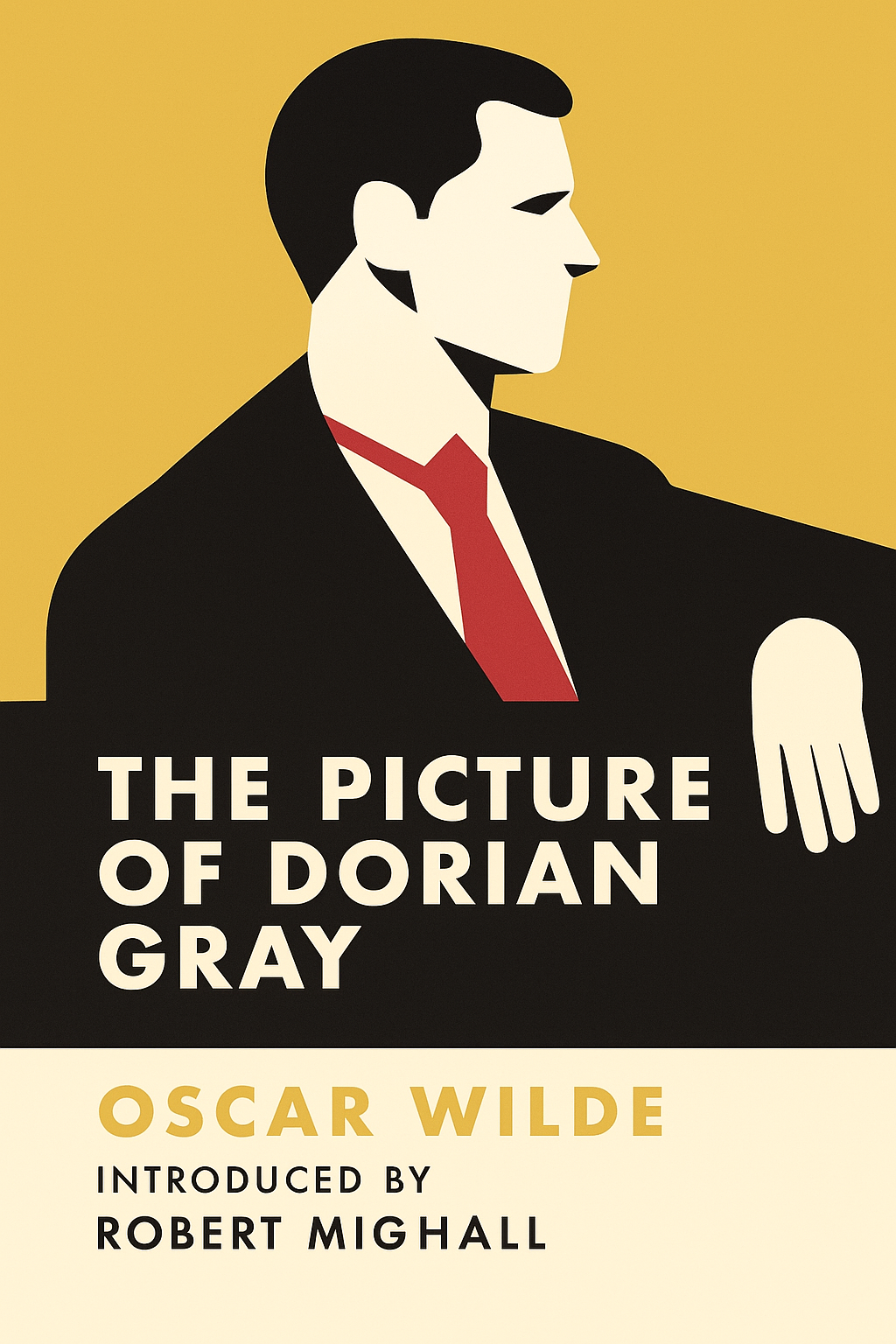
By Oscar Wilde
