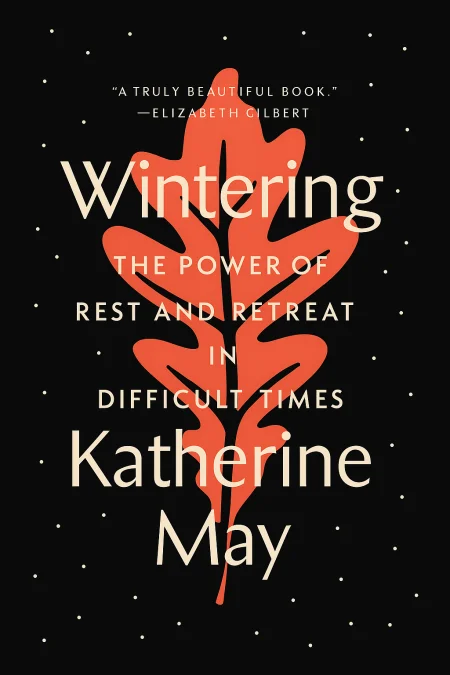
Wintering
The Power of Rest and Retreat in Difficult Times
Book Edition Details
Summary
Beneath the harsh cloak of winter lies an unexpected sanctuary in Katherine May's poignant exploration of resilience and renewal. When life's unpredictable storms threatened to unravel her world, May discovered profound wisdom in the quiet embrace of winter. Her journey weaves through mythology, literature, and nature, unveiling how life's pauses can become powerful retreats. From the silent dormice to the mystic chill of arctic waters, every element whispers secrets of survival and transformation. May crafts a symphony of solitude and reflection, where the barren beauty of winter becomes a canvas for healing. Embracing these fallow periods, she invites readers to find grace in stillness and strength in vulnerability, offering a new lens to view life's inevitable cycles.
Introduction
Sarah found herself standing in her kitchen at three in the morning, staring at the frost patterns on the window while her family slept peacefully upstairs. She had lost her job two months earlier, her mother's health was declining, and the weight of uncertainty pressed against her chest like a stone. The world felt frozen, suspended in a darkness that seemed endless. What she didn't know then was that she was entering a season that would transform her understanding of struggle, resilience, and renewal. We all face these winters in our lives—periods when the world seems to close in around us, when our usual strategies fail, and when we feel cut off from the warmth and light we once knew. These seasons of difficulty arrive uninvited: through illness, loss, failure, or transition. They strip away our illusions of control and force us into unfamiliar territory where the old rules no longer apply. Yet what if these difficult passages aren't punishments to endure but invitations to transform? What if the very experiences that bring us to our knees also hold the seeds of our greatest growth? Through intimate stories of personal struggle and profound insights drawn from nature's wisdom, this exploration reveals how embracing our winters—rather than fighting them—can lead to unexpected discoveries about our strength, our connections with others, and our capacity for renewal. Like the trees that shed their leaves to survive the storm, sometimes we must let go of who we were to become who we're meant to be.
September to November: When Winter Arrives
The author's winter began on what seemed like a perfect September day. She was celebrating her fortieth birthday with friends on a sun-drenched beach, capturing moments of joy and possibility with her camera. Her husband H complained of feeling unwell, but it seemed minor—just another passing bug in the endless cycle of family illnesses. They built sandcastles, ate ice cream, and watched their son play in the impossibly blue water. The photographs from that day now seem surreal, snapshots of a life about to be upended. Within hours, H was in the hospital with a burst appendix, fighting for his life as the author kept vigil beside his bed. She found herself thrust into the strange temporal space of crisis, where minutes crawled and days blurred together. Between school runs and hospital visits, she realized her own body was beginning to fail her—chronic pain that had been simmering beneath the surface of her overworked life finally demanded attention. The perfect birthday celebration had become the gateway to a season of unraveling. This sudden shift reveals how winter often arrives in our lives—not with gradual cooling but with shocking abruptness that leaves us reeling. One moment we're celebrating on a bright beach; the next we're navigating the fluorescent corridors of crisis. The author's experience illuminates a profound truth: our winters aren't always seasonal. They're the inevitable ruptures in the fabric of our carefully constructed lives, the moments when our illusion of control shatters and we must learn new ways of being. These arrivals teach us that transformation rarely comes gently—it bursts through like an emergency, demanding we shed our old skins whether we're ready or not.
December to January: Embracing the Darkness
In the depths of December, the author found herself drawn to rituals and ceremonies that acknowledged the darkness rather than fled from it. She attended a Swedish Sankta Lucia service in London, watching young women in white gowns carry candles through the dim church while families clustered together against the winter's bite. The singing was haunting and beautiful, a celebration of light that only had meaning because of the surrounding darkness. She felt something shift inside her as she participated in this ancient recognition of winter's power and promise. On the winter solstice, she joined hundreds of others at Stonehenge, arriving in pre-dawn darkness to witness the sun's return. The crowd was an eclectic mix of pagans, families, and seekers, all drawn to mark this pivotal moment in the year's cycle. As they stood among the ancient stones, breathing clouds of vapor in the freezing air, she understood something fundamental about human nature: we need rituals to help us navigate life's darkest passages. We need community to remind us that others have survived their own winters. These experiences of embracing darkness rather than fighting it revealed a counterintuitive truth about healing. Instead of pushing through her struggles with forced positivity, the author learned to honor her winter by creating space for it. She lit candles in her home, took long baths, and allowed herself to move at a slower pace. She discovered that winter isn't the absence of light—it's the season that teaches us to appreciate light's return. The darkness we fear often contains exactly what we need: rest, reflection, and the deep repair that can only happen when we stop running from our circumstances and start listening to what they're trying to teach us.
February to March: Finding Light and Song
As spring approached, the author discovered an unexpected community of cold-water swimmers who gathered at the beach each morning, plunging into the icy February sea. The first time she joined them, the cold was so shocking it knocked the breath from her lungs. But within moments of emerging, she felt a fierce joy coursing through her veins—a reminder that she was alive, resilient, and capable of more than she'd imagined. The ritual became a daily practice of courage, each swim a small victory over fear and inertia. During these months, she also began working with a voice teacher to reclaim her ability to sing. Years of stress and self-doubt had literally stolen her voice, leaving her words thin and wavering. Through patient practice, she learned to breathe deeply again, to let her voice flow like water instead of attacking each word like an enemy. As her voice strengthened, so did her sense of self. She realized that losing her voice had been part of her winter's necessary stripping away—only by acknowledging what was gone could she begin to rebuild. The emergence from winter doesn't happen all at once, like flipping a switch from dark to light. Instead, it unfolds gradually through small acts of courage and connection. Each cold-water swim, each singing lesson, each moment of choosing engagement over isolation became part of the slow thaw. The author discovered that finding light again wasn't about returning to who she'd been before—it was about integrating all the lessons of the dark season into a new way of being. Like the robins that begin singing in February while snow still covers the ground, we don't wait for perfect conditions to reclaim our voice. We sing in the darkness, trusting that spring will come.
Summary
This profound exploration of life's difficult seasons reveals that our struggles are not obstacles to overcome but initiations to undergo. Through intimate storytelling woven with insights from nature, psychology, and human wisdom traditions, we learn that wintering is an essential skill for navigating the inevitable cycles of challenge and renewal that define human existence. The author's journey from crisis to community, from silence to song, demonstrates that our darkest passages often contain our greatest gifts. The key wisdom emerges through three transformative insights. First, we must learn to recognize and honor our winters instead of fighting them with forced positivity or relentless productivity. Like trees that shed their leaves to survive the storm, sometimes we must let go of old identities and expectations to make space for what wants to emerge. Second, winter teaches us that healing happens in community—through shared rituals, honest conversations, and the simple presence of others who understand that struggle is universal. Finally, emergence from our dark seasons requires small, consistent acts of courage that gradually rebuild our capacity for joy, connection, and authentic expression. This journey reminds us that winter is not the end of the story but the necessary pause that makes renewal possible. In learning to winter well, we develop resilience not as armor against life's difficulties but as the flexible strength that allows us to bend without breaking, to rest without giving up, and to emerge from our struggles with deeper wisdom and greater compassion. Our winters become sacred seasons of transformation, teaching us that sometimes the most courageous thing we can do is simply survive until the light returns.
Related Books
Download PDF & EPUB
To save this Black List summary for later, download the free PDF and EPUB. You can print it out, or read offline at your convenience.
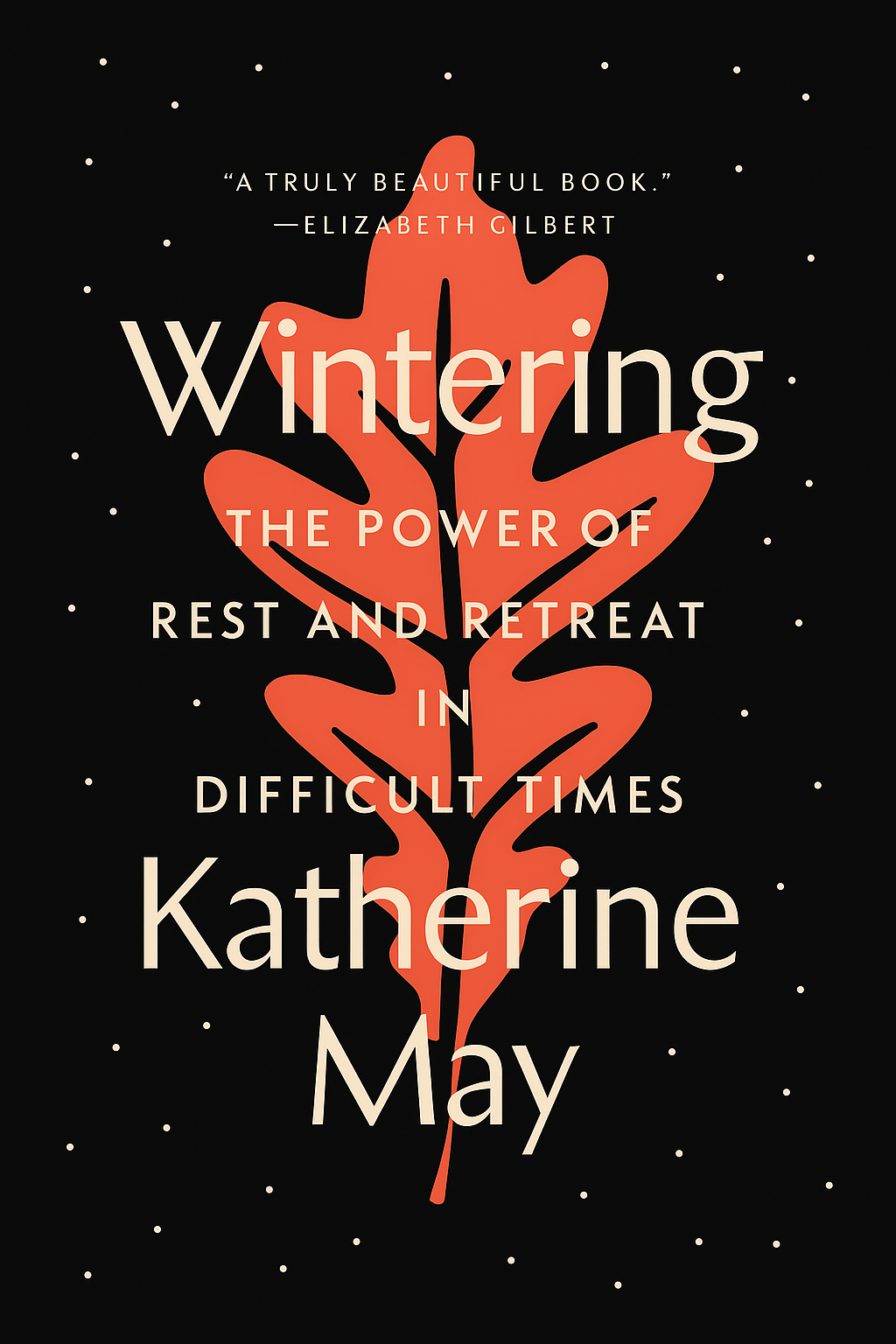
By Katherine May
