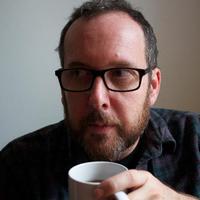
A.O. Scott
A.O. Scott, a distinguished American literary critic and author, has long been a formidable presence in the world of cultural commentary. Born in Northampton, Massachusetts, in 1966, Scott grew up amidst an intellectually stimulating environment, with both parents deeply entrenched in academia. He pursued higher education at Harvard University, where he graduated with a degree in literature, an academic pursuit that would underpin his future career. Scott's professional journey saw him contributing insightful critiques to publications like The New York Review of Books and Slate before joining The New York Times in 2000, where he would eventually ascend to the role of chief film critic. His critical lens has been instrumental in shaping contemporary discourse on cinema and literature, making him a pivotal figure in modern cultural criticism. Scott's literary oeuvre is perhaps best encapsulated by his acclaimed work, "Better Living Through Criticism: How to Think About Art, Pleasure, Beauty, and Truth," published in 2016. This book is a profound exploration of the role of criticism in everyday life, deftly arguing that criticism is not merely a peripheral activity but a vital process of engaging with art and the world. With his characteristic wit and erudition, Scott dismantles the dichotomy between the critic and the artist, positing that both roles are essential to the creation and appreciation of art. The book was met with widespread critical acclaim, resonating with readers for its incisive prose and thought-provoking insights into the nature of creativity and evaluation. A.O. Scott's writing is characterized by its eloquent prose and penetrating analyses, often delving into themes of cultural identity, artistic integrity, and the evolving landscape of media. His contributions extend beyond the written word, as his critiques have sparked significant discussions within the realms of film and literature, challenging audiences to reconsider preconceived notions of artistic merit. As a leading voice in the field of cultural criticism, Scott continues to influence and inspire both readers and aspiring critics, leaving an indelible mark on the literary and cinematic worlds.


by Paul J. Zak
by Rory Vaden
by Robert C. Solomon, Fernando Flores
by Brett Gardner
by Dennis S. Reina
by Julian Baggini
by Larry Downes, Omar Abbosh, Paul Nunes
by Jacqueline Woodson
by Kevin Oakes
by Lindsey Pollak, Kimberly B. Cummings, Kimberly Brown
